



Unlock the White House Watch newsletter for free
The Trump administration is pushing countries to pursue commercial opportunities instead of foreign aid programs as part of a new “trade over aid” initiative led by the State Department.
A U.S. official said the initiative was aimed at “encouraging countries to implement reforms that benefit business” and “mutually beneficial business partnerships that connect developing countries” with advanced economies that could provide investment and technical know-how.
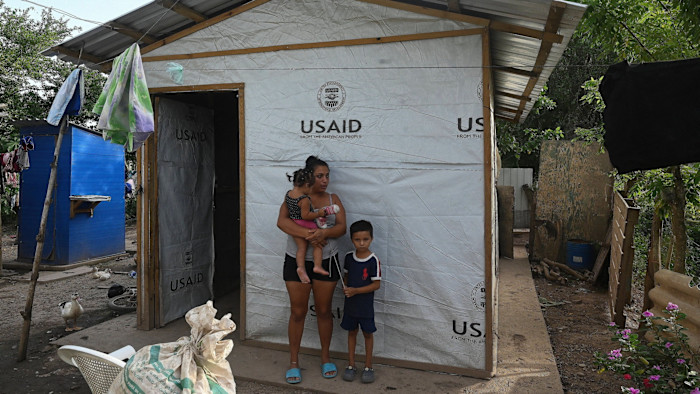
The shift comes after an overhaul of the country’s top foreign development agency, the U.S. Agency for International Development, which President Donald Trump gutted last year.
The US official said the policy was aimed at tackling the “failed” sector of non-governmental organizations, which also includes philanthropies and foundations, which often do economic development work funded by private donors.
“The best way to promote economic development is not through subsidies, but through sound economic policies and trade,” the official said.
But they added that the US would “continue to fund life-saving health care and humanitarian assistance.”
The new U.S. position, first reported by The Washington Post, has drawn criticism from the nonprofit sector and others concerned with economic development goals.
“This approach betrays America’s traditions, values and national security interests — and makes us less safe,” said Eric Pelofsky, a former White House foreign policy official and now vice president of the Rockefeller Foundation.
“There is no American who looks at a photo of a starving child and sees an opportunity for corporations to enrich themselves,” Pelofsky said. “That’s because Americans have historically run to the fire to help, rather than looking for ways to sell fire hoses to people who are suffering.”
A State Department spokesperson said: “The US remains the most generous country in the history of the world, but those who advocate ‘aid, not trade’ are really advocating lining the pockets of a corrupt NGO industrial complex.”
