



Rep. Pat Fallon, R-Texas, praises Secretary of War Hegseth and Chairman of the Joint Chiefs of Staff Gen. Dan Caine for their appearances in Congress on “The Evening Edit.”
Americans who buy smartphones, laptops or even home appliances may soon feel the effects of the conflict in Iran — not just at the gas pump, but also at the checkout screen.
A disruption to a key component in electronics – printed circuit boards (PCBs) – is driving up costs across the technology industry, raising the likelihood that consumers will experience higher prices and fewer deals in the coming months.
According to Goldman Sachs, prices for printed circuit boards have already skyrocketed, with an increase of as much as 40% in April alone. At the same time, other key raw materials such as copper foil – one of the largest cost components in PCBs – have risen by as much as 30% this year.
The ongoing war with Iran has disrupted the supply of key raw materials used to produce PCBs, which function as the “nervous system” in virtually every electronic device, from smartphones and computers to cars and AI servers.
GAS PRICES RISE TO THE HIGHEST POINT YET DURING UNLIMITED CONFLICT WITH IRAN
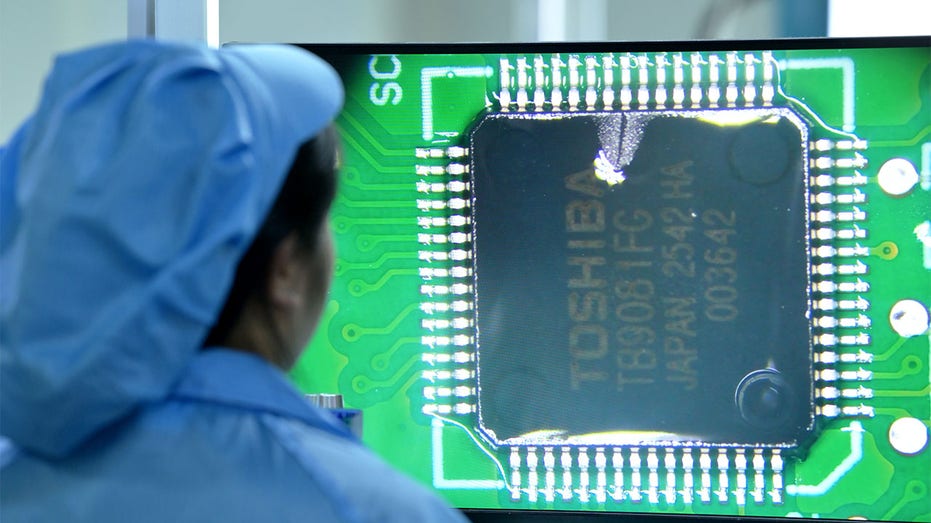
An engineer tests the quality of electronic control unit (ECU) steering controller chips in a workshop on March 5, 2026. (Lyu Bin/VCG via Getty Images)
At the center of the disruption is an Iranian attack on Saudi Arabia’s Jubail petrochemical complex in early April, which halted production of a crucial resin used in printed circuit boards and reduced global supply, analysts said. Shipping routes in and out of the Gulf have also been disrupted, causing delays and shortages.
CHEVRON CEO WARNS AVIATION TAXES COULD GET WORSE AS JET FUEL CRUNCH DEEPERES
Manufacturers are now scrambling to secure materials, with lead times for some chemicals ranging from as little as three weeks to as many as 15 weeks, industry sources said. The pressure flows through the broader technology supply chain.
“It’s not just about PCBs,” says Ben Bajarin, CEO of Creative Strategies. “Memory, storage and wafer costs all increase the bill of materials for devices.”

Buildings in ruins after Israeli/American airstrikes on April 4, 2026 in southern Tehran, Iran. (Majid Saeedi/Getty Images)
Companies are trying to offset these increases by negotiating supply contracts and absorbing some of the costs – but only up to a point.
Experts say consumers won’t see price increases immediately, but they are coming.
“For the average consumer who shops at Best Buy or Amazon, the ripple effect won’t happen overnight,” said Galen Zeng, a semiconductor supply chain analyst at IDC. “But expect this to become a reality within the next few months.”
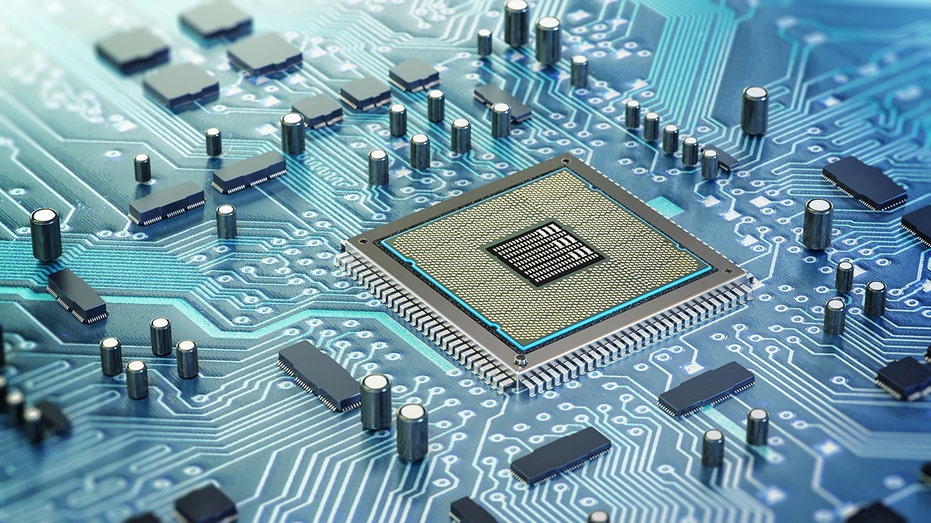
According to Goldman Sachs, prices for printed circuit boards have already skyrocketed, with an increase of as much as 40% in April alone. (iStock)
Dan Ives, an analyst at Wedbush Securities, said the impact is likely to become more visible later this year.
“There will be a slowdown and a lot of these costs will be absorbed into the supply chain,” Ives said. “Prices may rise in the summer and fall.”
That timing could coincide with key shopping periods, including school and holiday shopping season, when demand for electronics typically increases.
Treasury Freezes $344 Million in Iranian Cryptocurrencies, Warning Oil Hub Is Nearing Capacity
Data from the Institute for Supply Management shows that companies typically pass on at least some of the cost increases to customers, even as they absorb some of the impact through margins, said Susan Spence, president of ISM Manufacturing PMI.
While some analysts believe companies will absorb costs in the short term, others warn price increases could continue.
“This is a structural, multi-year upcycle driven by demand for AI – not a temporary peak,” Zeng said. “The cost floor for advanced electronics is shifting upward.”
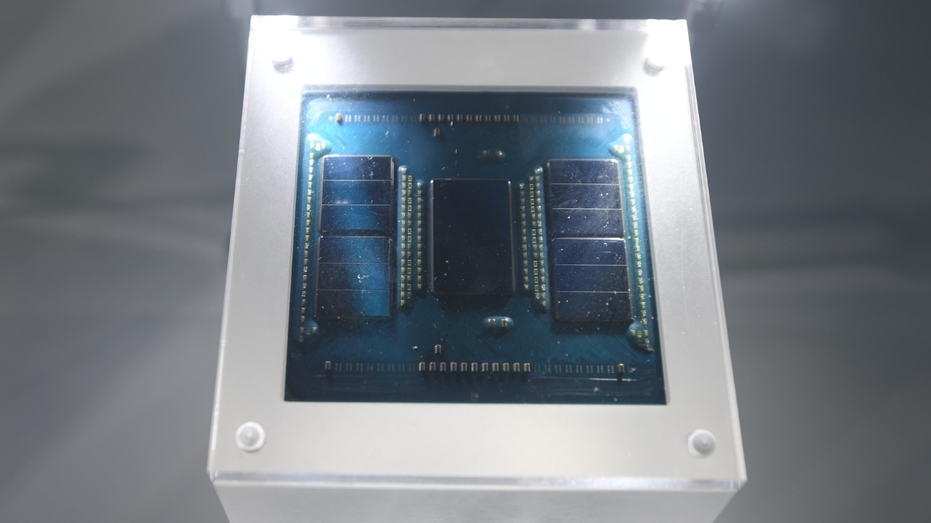
AMD AI chip on display at an exhibition in Hangzhou, Zhejiang province, China. (CFOTO/Future Release via Getty Images)
Demand for AI infrastructure is already competing with consumer electronics for the limited supply of key components, putting pressure on availability and increasing prices across the board. Even before the conflict in the Middle East, demand for PCBs had risen rapidly due to the growth of AI servers, further tightening supply.
In addition to higher prices, consumers may also experience limited availability of certain devices.
“As supplies are diverted to AI and high-performance computing, consumer electronics manufacturers continue to compete for an ever-shrinking pool,” Zeng said.
The result could be delays or “out of stock” issues for some products, especially if supply disruptions persist.
Ives said shortages are not guaranteed but remain a risk.
“If things continue at the current pace, we could see shortages of certain products in the fall,” he said.
Historically, supply chain shocks do not translate one-for-one into retail price increases, but rarely disappear completely.
CLICK HERE TO GET FOX BUSINESS ON THE GO
That suggests consumers are unlikely to escape the impact entirely.
The disruption may start deep in the global supply chain, but the effects are likely to manifest in familiar places: higher price tags, fewer discounts and tighter inventory for everyday tech products.
And with demand for electronics continuing to rise, relief may not come anytime soon.
Reuters contributed to this report.
