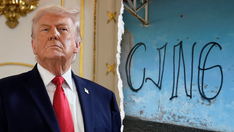
MEXICO CITY: Mexican drug cartels are becoming increasingly calculated in their targeting decisions, often purposefully avoiding U.S. tourists and citizens for fear it could lead to more intense U.S. retaliation, experts said.
Following the assassination last month of Ruben ‘Nemesio’ Oseguera Cervantes, known as ‘El Mencho’, the powerful leader of the Mexican Jalisco New Generation Cartel (CJNG) White House Press Secretary Karoline Leavitt joined “Fox & Friends” and warned the drug gangs: “The Mexican drug cartels know not to lay a finger on a single American, or they will pay severe consequences under this president.”
Analysts say actions by President Donald Trump — including labeling cartels as foreign terrorist organizations and high-profile operations abroad such as the arrest of Nicolás Maduro and the assassination of Ayatollah Khamenei in Iran — have reinforced the cartel’s perception of increased risk.
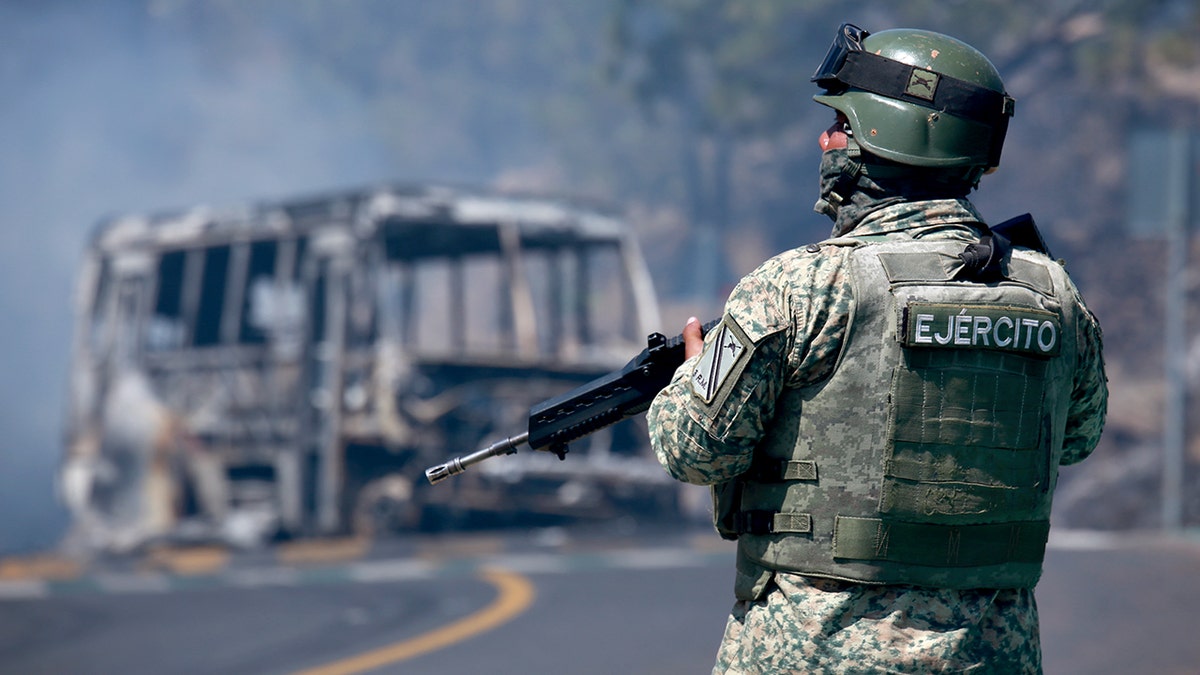
A soldier stands guard over a charred vehicle that was set on fire following the death of cartel leader Nemesio Rubén Oseguera Cervantes on Sunday, February 22, 2026, in Cointzio, Mexico. (AP Photo/Armando Solis)
Mexican drug cartels have long operated with one primary goal: protecting revenue streams and avoiding actions that could provoke an overwhelming government response. Security analysts and former U.S. officials say it often involves avoiding deliberately targeting U.S. tourists and citizens in Mexico.
She said the cartels “are modernized and well informed about what is happening, especially because they know there are bounties on their heads. That’s why they fear the United States, especially since Trump became president and declared the cartels terrorist organizations. Of course they keep an eye on all this and have people who keep the leaders informed of what is going on. The price for the head of ‘El Mencho’ in the United States was very high.’
Adding to the pressure, Trump spoke on Saturday at the newly launched Shield of the Americas Summit in Florida – a coalition of twelve Latin American and Caribbean countries – which came together to tackle cartels, among other things.
“We need to get the hell out of them because it’s getting worse. They’re taking over their country. The cartels are running Mexico. We can’t have that. Too close to us,” Trump warned.
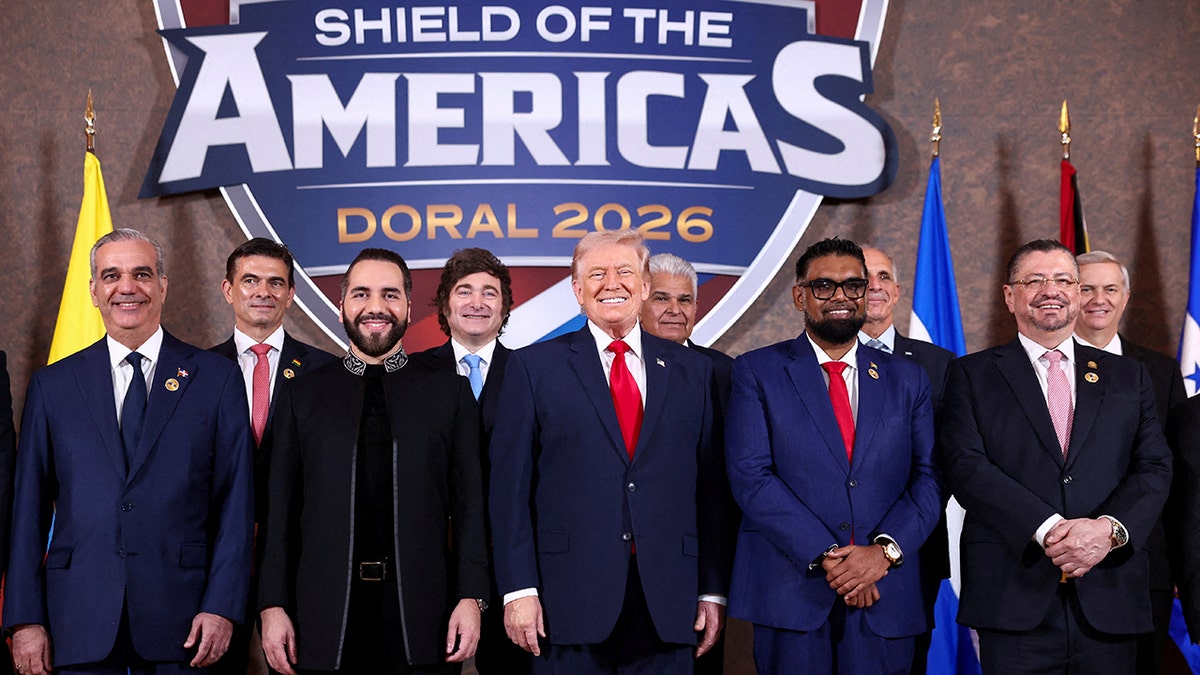
President Donald Trump, center, President Luis Abinader of the Dominican Republic, second from left, Argentine President Javier Milei, President of El Salvador Nayib Bukele, President of Guyana Mohamed Irfaan Ali, President of Costa Rica Rodrigo Chaves Robles, President of Bolivia Rodrigo Paz and President-elect of Chile Jose Antonio Kast pose for a photo during the Shield of the Americas Summit in Doral, Florida, on Saturday, March 7 2026. (Kevin Lamarque/Reuters)
TRUMP DISCUSSES EXPANSION OF DRUG CARTEL BUSINESS, ISSUES BOLD WARNINGS TO IRAN
While there have been high-profile killings of Americans in Mexico, experts describe them as isolated and part of cartel interests, rather than part of a strategic campaign.
“There are several precedents showing why the cartels are particularly careful not to touch American citizens. One of the most important was the Camarena case: the 1985 kidnapping, torture, and murder of DEA agent Enrique “Kiki” Camarena in Mexico, committed by leaders of the Guadalajara Cartel (Rafael Caro Quintero, Miguel Ángel Félix Gallardo, and Ernesto Fonseca Carrillo) in retaliation for the destruction of the marijuana ranch ‘El Búfalo’.
“This crime marked a turning point in the anti-drug relationship between Mexico and the US, prompting the DEA to arrest those responsible and exposing the complicity between drug traffickers and senior Mexican officials.”
He added: “Another case is that of Agent Zapata. On February 15, 2011, gunmen from the ‘Los Zetas’ cartel killed Immigration and Customs Enforcement (ICE/HSI) Special Agent Jaime Zapata and shot Agent Victor Avila on a highway in San Luis Potosí, Mexico. The killing prompted intense pressure from the United States on Mexico to combat the cartels, resulting in the arrest of several Los Zetas members involved, including Julián Zapata Espinoza, aka ‘El Piolín.’
“All of these precedents are examples of why the cartels have learned that it is not in their interest to attack American citizens.”
Troops reinforce PUERTO VALLARTA as unrest shows signs of easing following El Mencho’s death
Security experts say cartels are closely monitoring political rhetoric in Washington, especially statements suggesting unilateral U.S. military action or expanded cross-border operations. Public debate over labeling cartels as terrorist groups has reignited in recent years, with some lawmakers arguing it would provide additional tools to disrupt financing and logistics networks.
According to former federal officials, cartels’ avoidance of deliberately targeting Americans is rooted less in ideology and more in risk management. High-profile attacks on U.S. citizens can lead to intense media attention, diplomatic pressure and increased enforcement operations that disrupt smuggling routes.
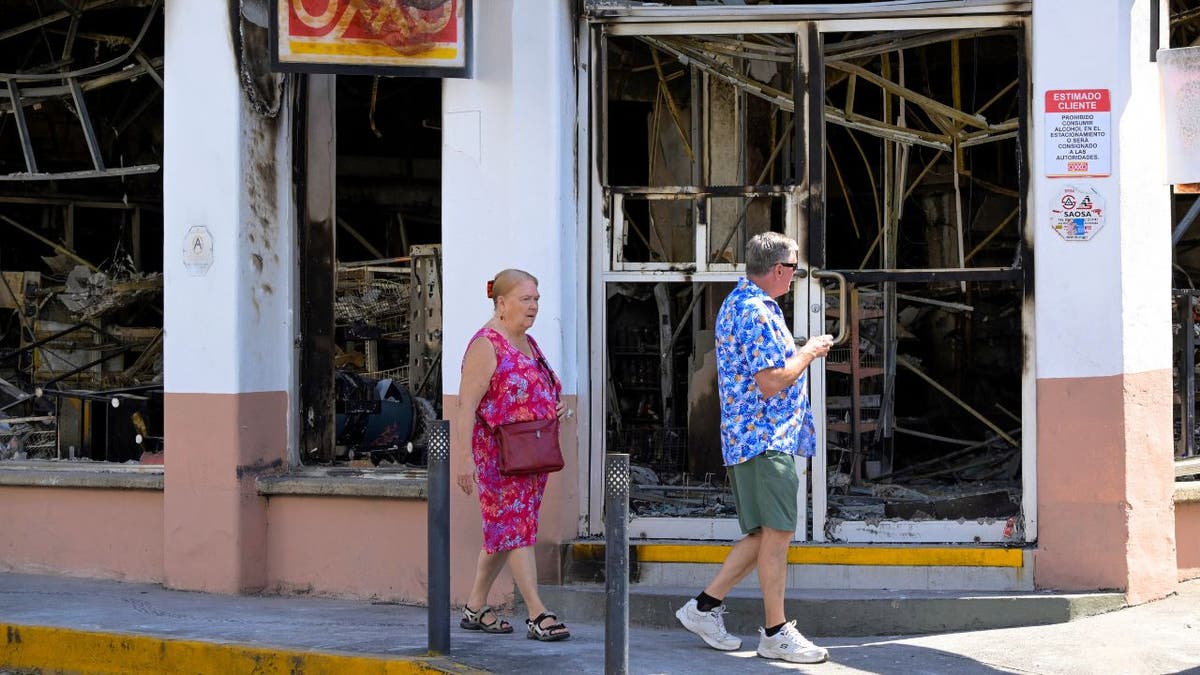
Tourists walk past a burned-out store in Puerto Vallarta, Mexico, on February 24, 2026, after cartel violence broke out. (Alfredo Estrella/AFP via Getty Images)
“In Mexico, more than 90% of intentional murders and disappearances involve people who had specific contact with the cartels, mainly for business reasons. The problems that tourists experience in Mexico are the same as those in Miami, London, Rome or Paris: robberies, fraud and even some extortion, but these are comparatively marginal. Most crimes in Mexico are suffered by Mexicans, and most violent crimes involve Mexican victims linked to cartels,” he said.
CLICK HERE TO DOWNLOAD THE FOX NEWS APP
While millions of Americans travel to Mexico each year without incident, law enforcement officials emphasize that criminal violence remains widespread in regions where cartels operate.
Authorities on both sides of the border claim that cartel decision-making is driven by financial incentives and survival calculations. Actions deemed likely to lead to direct U.S. retaliation are widely seen by analysts as counterproductive to these interests.
Related article