



Jarrod Agen, executive director of the National Energy Dominance Council, discusses the impact of the conflict in Iran on oil prices and efforts to replenish U.S. ammunition on “The Bottom Line.”
Oil prices surpassed $100 a barrel on Sunday as the US-Israeli war against Iran disrupted production and shipping in the Middle East.
This is the first time in almost four years that oil prices have reached this point.
The price for a barrel of Brent oil, the international standard, rose to more than $107 after trading resumed on the Chicago Mercantile Exchange, a jump of 16.5% from Friday’s closing price of $92.69.
West Texas Intermediate, produced in the US, traded at about $106.22 per barrel, up 16.9% from Friday’s closing price of $90.90.
GAS PRICES RISE AS IRAN CONFLICT ROCKS GLOBAL OIL MARKETS, pushing US crude above $90
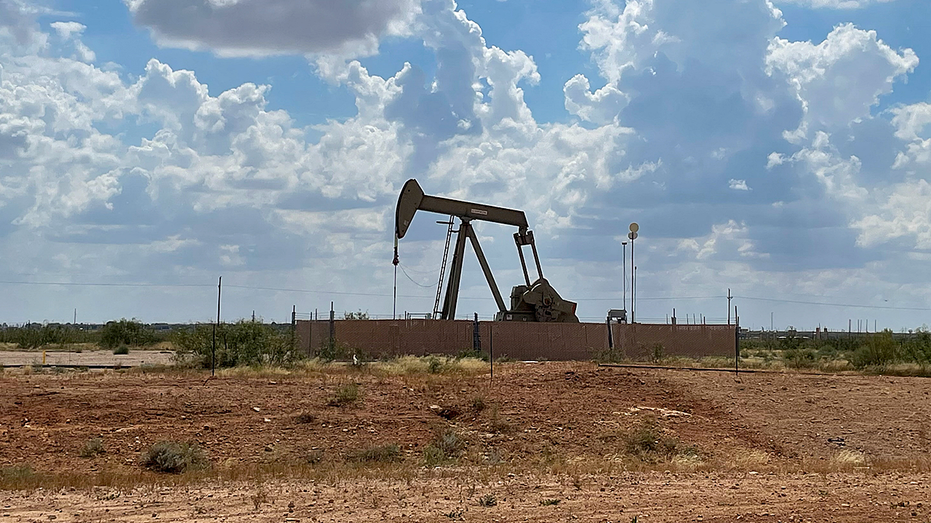
Oil prices passed $100 a barrel on Sunday after the US-Israeli war against Iran disrupted production and shipping. (REUTERS/Arathy Somasekhar / Reuters Photos)
This comes after Brent rose 28% last week and WTI rose 36% ahead of the latest gains.
Oil prices have soared as the war hits areas crucial to the production and shipment of oil and gas from the Persian Gulf.
About 15 million barrels of crude oil, which accounts for about 20% of the world’s oil, moves through the Strait of Hormuz every day, according to independent research firm Rystad Energy.
Concerns about Iranian missile and drone attacks have halted tankers that would otherwise travel through the strait, carrying oil and gas from Middle Eastern countries such as Saudi Arabia, Kuwait, Iraq, Qatar, Bahrain, the United Arab Emirates and Iran.
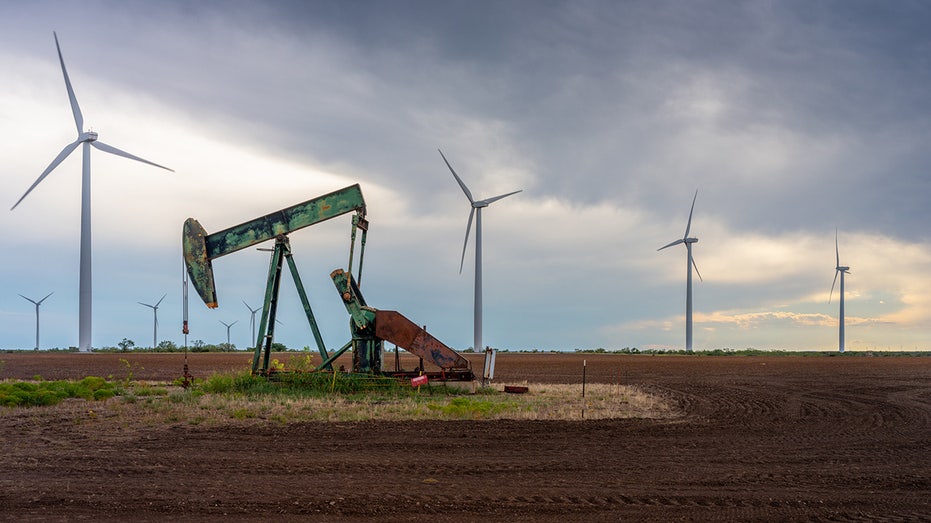
Iran, Israel and the US have attacked oil and gas facilities since the war began late last month. (Brandon Bell/Getty Images/Getty Images)
Iraq, Kuwait and the UAE have cut oil production due to strained ability to export crude.
Saudi Arabia is increasing shipments from the Red Sea, but volumes are not enough to offset the dip from the Strait of Hormuz, shipping data shows.
Iran, Israel and the US have attacked oil and gas facilities since the war began late last month.
The war could leave consumers and businesses around the world weeks or even months of higher fuel prices even if the conflict ends soon, as suppliers face damaged facilities, disrupted logistics and increased risks to shipping.
The US asks China to curb Russian and Iranian oil purchases
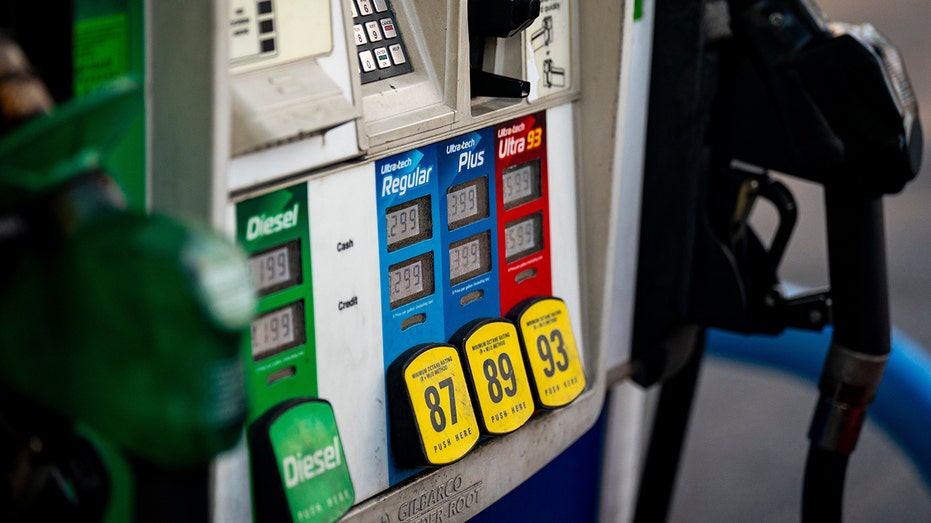
The average gallon of regular gasoline in the U.S. rose to $3.45 on Sunday. (Al Drago/Bloomberg via Getty Images/Getty Images)
GET FOX BUSINESS ON THE GO BY CLICKING HERE
The last time U.S. crude futures traded above $100 a barrel was in the summer of 2022.
The average gallon of regular gasoline in the U.S. also rose to $3.45 on Sunday, representing a 47 cent increase from about a week earlier, according to the AAA motorcycle club. Diesel also sold for an average of about $4.60 per gallon, up about 83 cents from the previous week.
Reuters contributed to this report.
