



Peter Navarro, senior adviser for trade and manufacturing at the White House, discusses oil tensions in Iran, confusion over inflation data and rising meat prices on “Mornings with Maria.”
The United Arab Emirates said Tuesday it is withdrawing from OPEC and OPEC+, a move that could reshape its production strategy as global oil markets face supply constraints and rising demand expectations.
The departure frees the UAE from group production quotas, giving the country greater flexibility to increase production and expand its role in the crude oil, petrochemicals and natural gas markets. Officials indicated the shift is aimed at positioning the country for long-term growth in global energy demand.
UAE Energy Minister Suhail al-Mazrouei told Reuters the decision followed a “careful look” at the national energy strategy and was a “sovereign national decision” based on long-term economic priorities. He said operating outside the group will enable the UAE to better meet future global demand.
“The fact that we are a country that has no obligations under the group will give us flexibility,” al-Mazrouei said. He added that this move comes at a time when global consumers need stable supply and strategic reserves are being depleted.
GORDON CHANG: US MUST EXPAND SANCTIONS ON CHINA-LINKED NETWORKS TO REACH IRAN OIL REVENUES
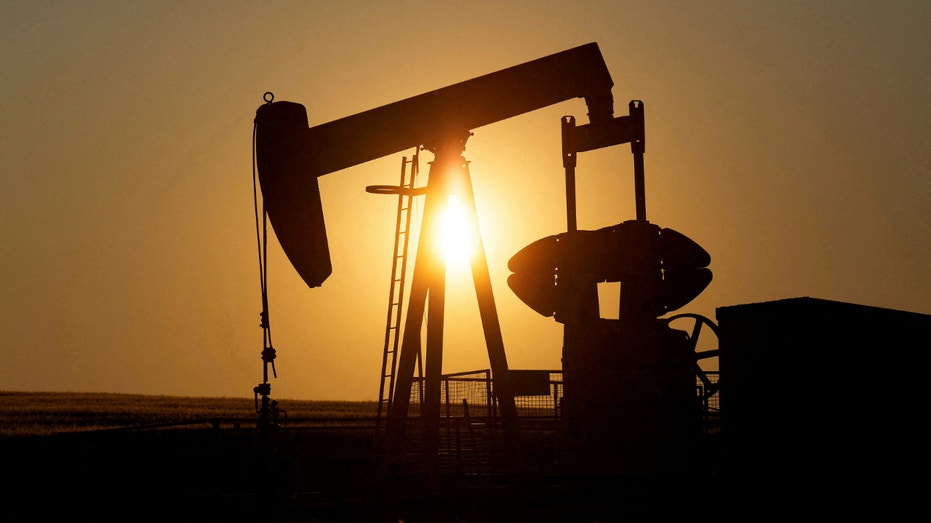
An oil pump jack pumps oil in a field near Calgary, Alberta, Canada on July 21, 2014. (Reuters/Todd Korol/Reuters)
The timing also reflects ongoing restrictions on global oil flows, especially through the Strait of Hormuz – a major chokepoint between Iran and Oman, which typically carries around a fifth of global oil and liquefied natural gas shipments. Disruptions and security threats in the region have tightened supply routes and increased volatility in energy markets.
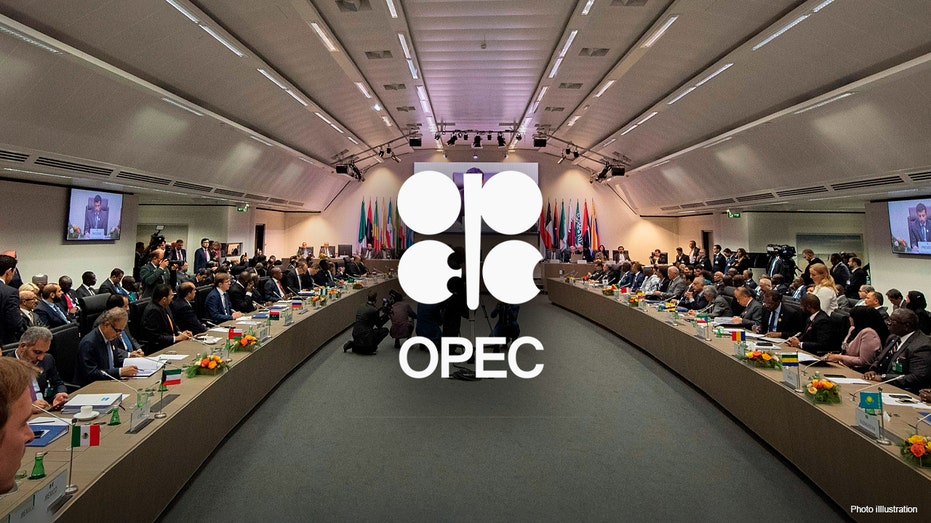
A meeting at the headquarters of the Organization of the Petroleum Exporting Countries (OPEC) with OPEC members and non-OPEC members in Vienna, Austria on December 7, 2018. (JOE KLAMAR/AFP/Getty Images)
Al-Mazrouei said the UAE did not directly consult with other producers, including Saudi Arabia, before making the decision. He added that the country believes this step can be taken without significantly disrupting markets, given existing supply constraints.
The exit raises questions about coordination among OPEC+ producers, which have historically relied on production cuts to manage global supply and influence prices. The UAE has been a member of the group for some time.
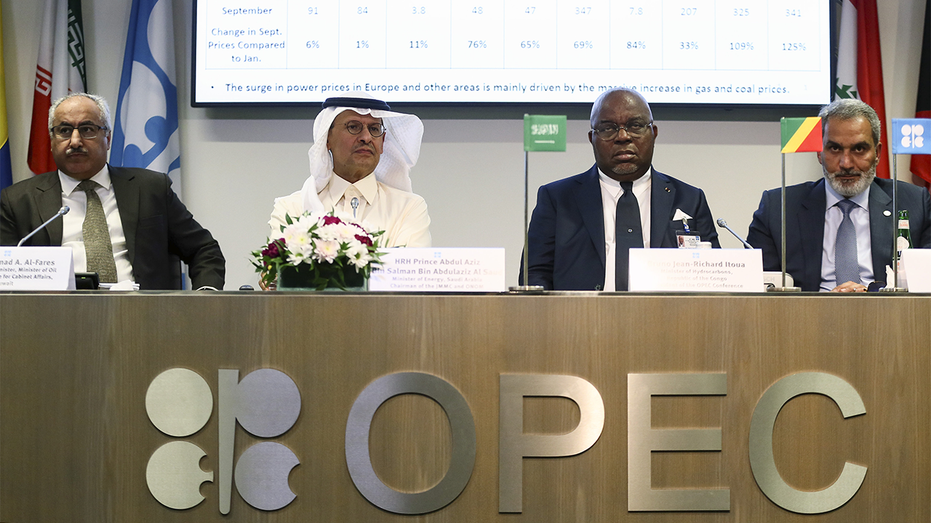
OPEC Secretary General Haitham al-Ghais (R) and Saudi Energy Minister Prince Abdulaziz bin Salman Al-Saud (2nd from left) hold a press conference after the 33rd OPEC (Organization of the Petroleum Exporting Countries) and non-OPEC ministerial conferences (Askin Kiyagan/Anadolu Agency via Getty Images/Getty Images)
UAE officials have expressed frustration with regional allies over their response to recent security threats. Anwar Gargash, diplomatic adviser to the UAE president, said the Gulf Cooperation Council countries provided logistical support but fell short politically and militarily.
CLICK HERE TO GET FOX BUSINESS ON THE GO
“The Gulf Cooperation Council countries supported each other logistically, but politically and militarily I think their position has historically been the weakest,” Gargash said at a forum on Monday. “I expected this weak position from the Arab League and am not surprised by it, but I also did not expect it from the (Gulf Cooperation Council) and I am surprised by it.”
The UAE’s departure will take effect on May 1.
Reuters contributed to this report.
