



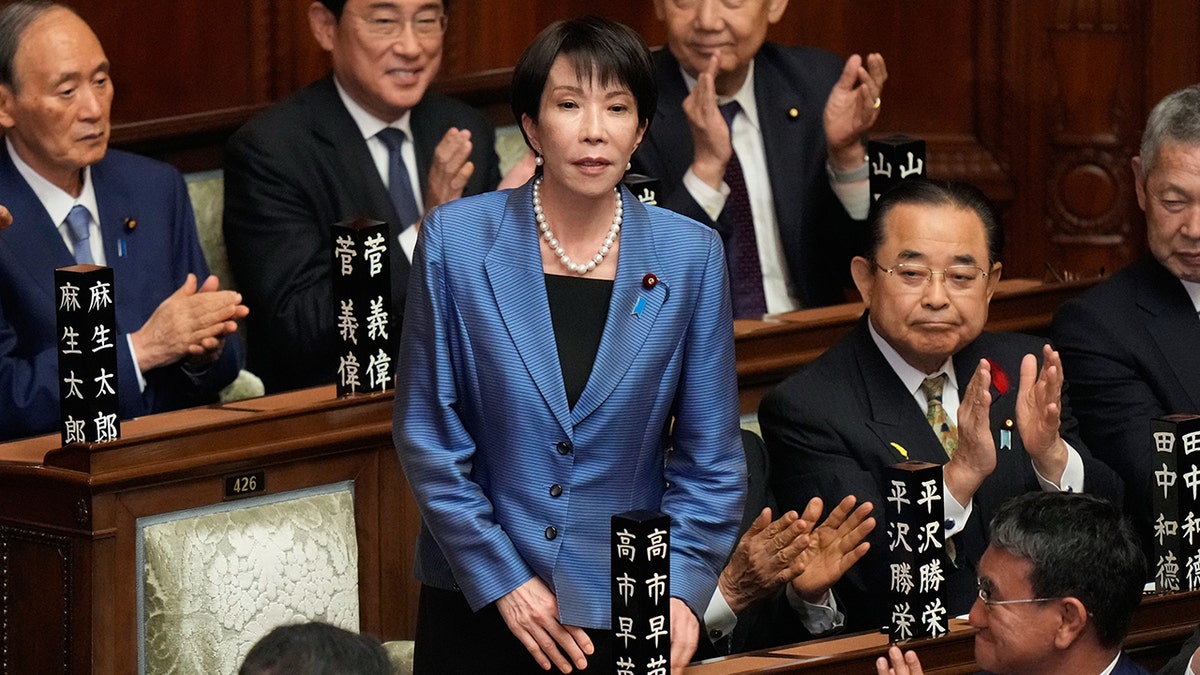
As Britain celebrated the centenary of Margaret Thatcher’s birth last week, Japan made history on Tuesday by electing its first female prime minister, Sanae Takaichi, a self-declared admirer of the ‘Iron Lady’.
Takaichi, 64, who has long cited Thatcher as a personal and political inspiration, was chosen by Japan’s ruling Liberal Democratic Party (LDP) at an extraordinary session of the country’s lower house, replacing former Prime Minister Shigeru Ishiba and ending several months of political turbulence that saw the party lose its upper house majority in July.
In remarks after her election, Takaichi said she felt “the hard work starts here” and vowed to restore public confidence and strengthen Japan’s security posture. Over the years, she has praised Thatcher’s “strength and feminine warmth” as qualities she tries to emulate. In 2013, shortly before Thatcher’s death, Takaichi met her in London – a moment she later described as ‘life-changing’.
THATCHER CENTENNIAL CELEBRATION EXPLORES HOW REAGAN PARTNERSHIP IS LEADING MODERN US-UK RELATIONS
Lawmakers applaud as Sanae Takaichi, standing, was elected Japan’s new prime minister during the extraordinary session of the lower house in Tokyo, Japan, Tuesday, Oct. 21, 2025. (Eugene Hoshiko/AP Photo)
Takaichi, described by some in the Japanese and international media as an ultra-conservative and hard-line figure, supports strengthening Japan’s defense position. Chinese hawkand supports constitutional revision to expand the role of the Self-Defense Forces.
Economically, she praises Abenomics, the policy of former Prime Minister Shinzo Abe, and is in favor of fiscal and monetary stimulus measures. Abe was Japan’s longest-serving prime minister and was assassinated at a campaign rally in 2022, two years after leaving office.
Takaichi is known for her aggressive stance toward China and is expected to maintain Japan’s close alignment with the United States. Chang said her election could strengthen Washington’s strategic position in Asia, especially as tensions with Beijing remain high.
JAPAN CALLS AXIS OF CHINA, RUSSIA, NORTH KOREA THE ‘SERIOUS THREAT’ TO WORLD ORDER SINCE WWII
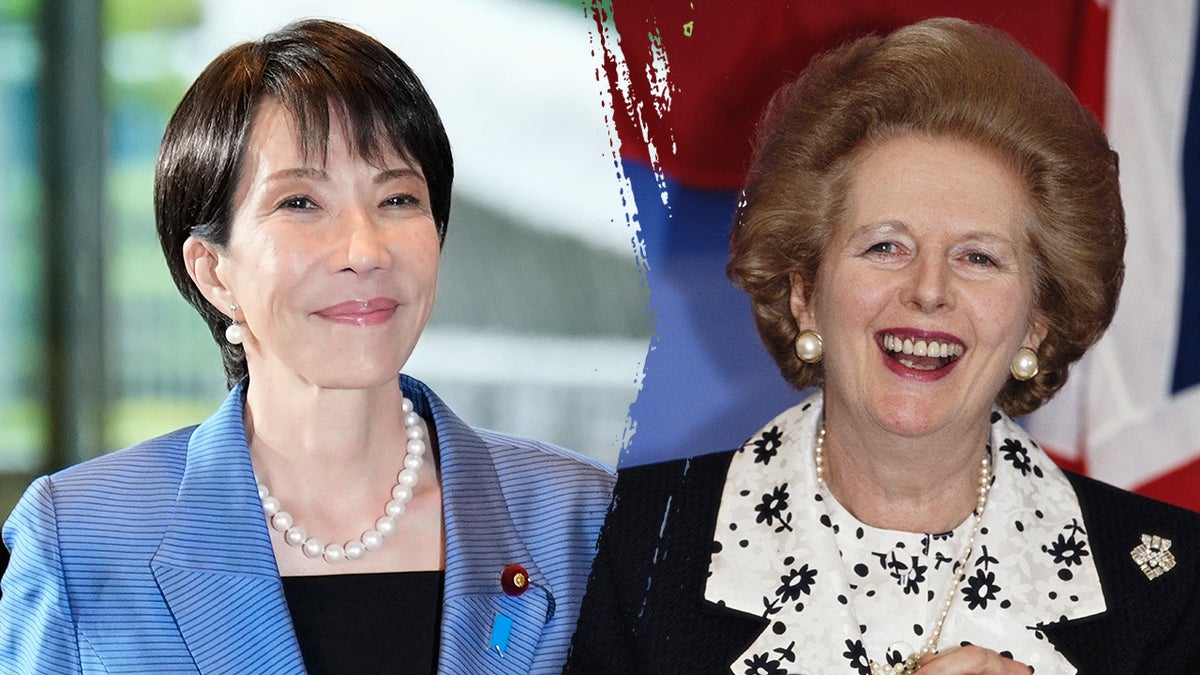
Left: Newly elected Prime Minister Sanae Takaichi arrives at the Prime Minister’s Office in Tokyo, Japan, on Tuesday, October 21, 2025. Right: British Prime Minister Margaret Thatcher attends a British-French meeting with President François Mitterrand in the United Kingdom, May 5, 1990. (AP Photo/Eugene Hoshiko/Photo by Georges De Keerle/Getty Images)
“She’s a hawk on China, and that’s exactly what’s needed right now,” Chang said. “That won’t upset President Trump — if anything, it strengthens his hand in dealing with Xi Jinping. It shows that U.S. alliances are strong and getting stronger.”
Takaichi’s rise has been hailed as a milestone for women’s representation, although Chang emphasized that her selection was driven more by ideology than identity.
“I don’t think she was chosen because she’s a woman,” he said. “She was chosen because the party needed to strengthen its right flank – and it just so happened that the most conservative of the possible candidates was a woman.”
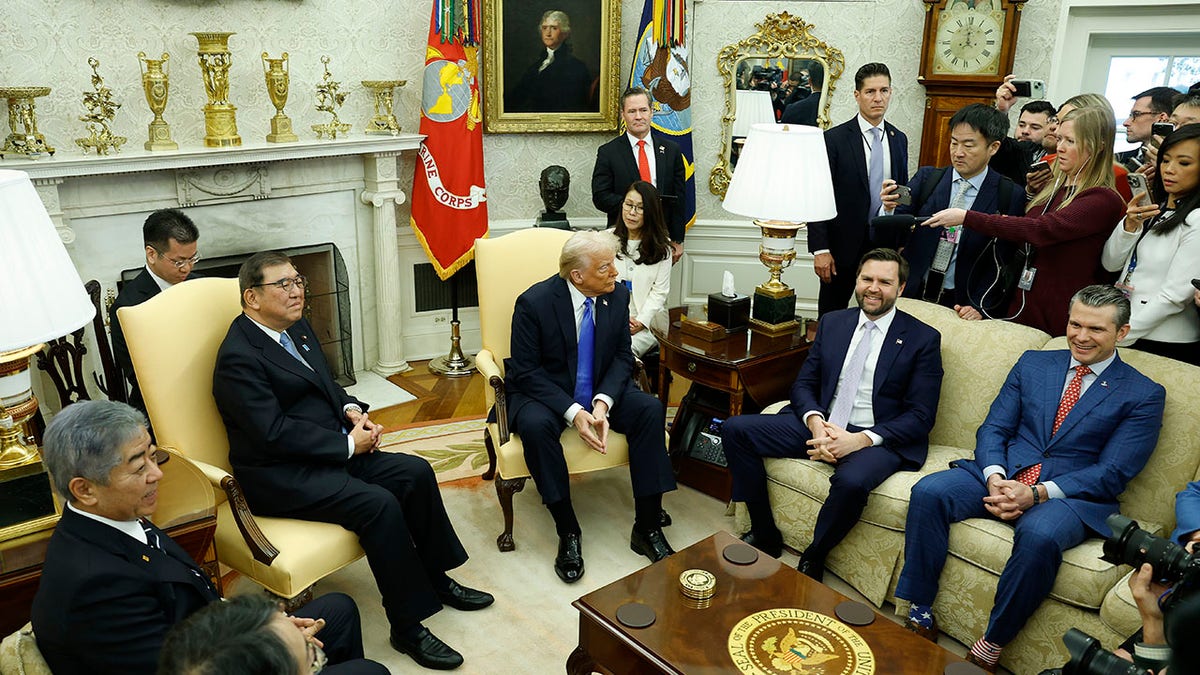
U.S. President Donald Trump (L), Vice President JD Vance (C) and Secretary of Defense Pete Hegseth participate in a meeting with then Japanese Prime Minister Shigeru Ishiba in the Oval Office of the White House on February 7, 2025 in Washington, DC. Shigeru, who took office in October, was the first Asian leader to visit Trump since returning to the White House. (Anna Moneymaker/Getty Images)
Although she breaks barriers herself, Takaichi’s track record underlines her conservative social vision. She is among Japanese politicians who have opposed measures to promote women’s rights, supporting male-only succession to the imperial family, and opposing same-sex marriage and allowing separate surnames for married couples.
Like Thatcher, Takaichi came from outside her country’s political elite. Her mother served in the Nara Prefecture police force and her father worked for a Toyota-affiliated car company.
CLICK HERE TO DOWNLOAD THE FOX NEWS APP
Analysts say she now faces the challenge of turning symbolism into substance. Her nationalist positions could increase friction with China, while her expansionary spending plans for the world’s fourth-largest economy will be closely watched by international investors. At the same time, she must prepare to receive President Donald Trump, who is expected to visit Japan next week.
Reuters and Associated Press contributed to this report.
