



As the war in Ukraine enters its fifth year, the central challenge for both Moscow and Kiev no longer lies solely in territory. It’s manpower.
Both Russia and Ukraine are facing a growing workforce crisis. Western estimates place around 500,000 to 600,000 Ukrainian military casualties since 2022, including more than 100,000 deaths, while Russia is reported to have suffered around 1.2 million casualties. According to recent analyses, the combined number of battlefield casualties on both sides could now approach two million.
Putin promises victory in Ukraine in New Year’s speech amid Trump-backed peace talks
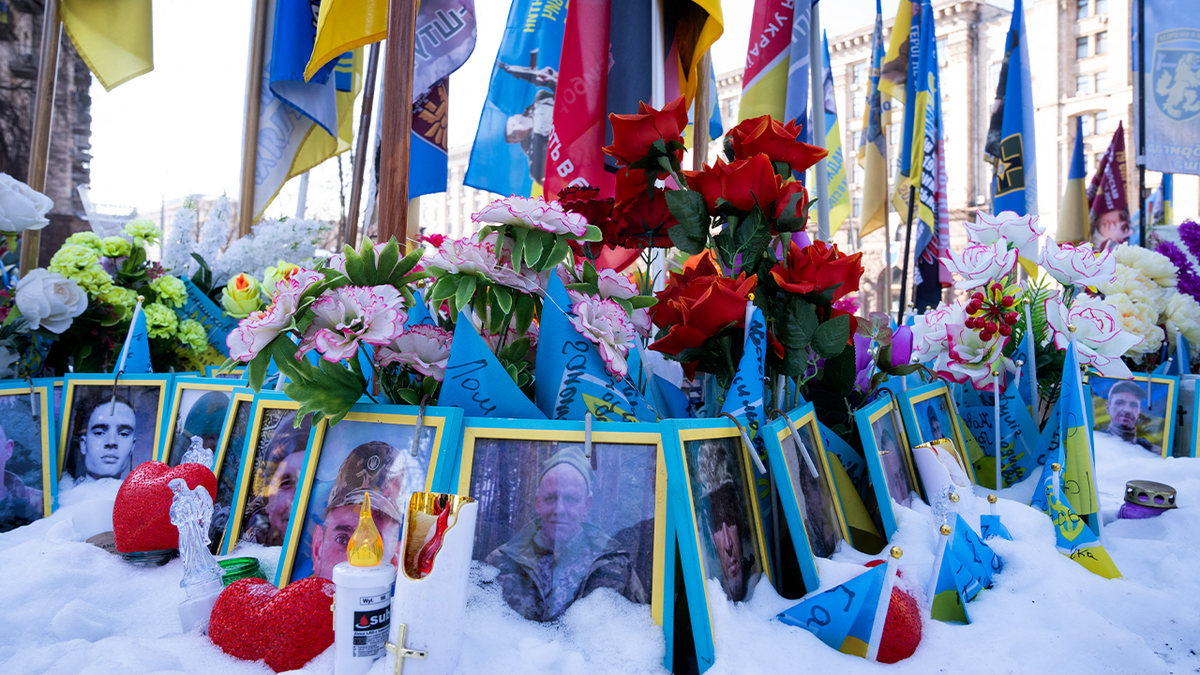
Portraits of Ukrainian soldiers are on display at the Monument to the Fallen on Independence Square, marking the third anniversary of the Russian invasion of Kiev, Ukraine, on February 24, 2025. (Bo Amstrup/NTB/AFP via Getty Images)
“Recruitment patterns across countries and regions are quite similar,” Truth Hounds said. “Two main categories of foreign fighters can be defined. First, those who were already in Russia, such as students and migrant workers. Second, those who were recruited in their country of origin.”
According to the organization, many recruits were promised civilian jobs with significantly higher salaries than in their home countries, but were later forced to sign military contracts written in Russian without translation.
“In many of these cases – both when the recruitment takes place outside and within Russia – there are sufficient facts pointing to possible human trafficking,” the group said.
Truth Hounds said it documented cases in which individuals detained in Russia were beaten, tortured or otherwise coerced into signing military contracts.
UKRAINE, US IN 20-POINT PEACE AGREEMENT AS Putin REJECTS ZELENSKYY CHRISTMAS CITY OFFER

Nationals of African countries sit in a special section where foreign fighters captured while serving with Russian forces in Ukraine are held at a detention center for Russian prisoners of war in western Ukraine on November 26, 2025. Since Russia invaded Ukraine in 2022, there have been many reports of African nationals fighting alongside Moscow’s forces, with some accusing the Russian military of using deceptive tactics to recruit them. In November 2025, Kiev said it had identified 1,426 fighters from 36 African countries serving in the Russian army. (Genya Savilov/AFP via Getty Images)
“Under such circumstances, it is difficult to characterize their participation in the Russian military as voluntary. Instead, these cases involve coercion into military service and exploitation – patterns that are consistent in documented cases worldwide when it comes to Russian recruitment practices,” the organization said.
The group cited figures from the Ukrainian Coordination Headquarters for the Treatment of Prisoners of War, which showed that more than 18,000 foreigners had joined the Russian army by the end of last year, and the number continues to grow. Truth Hounds said the interviews with foreign prisoners of war, including some from African states, revealed similar recruitment patterns.
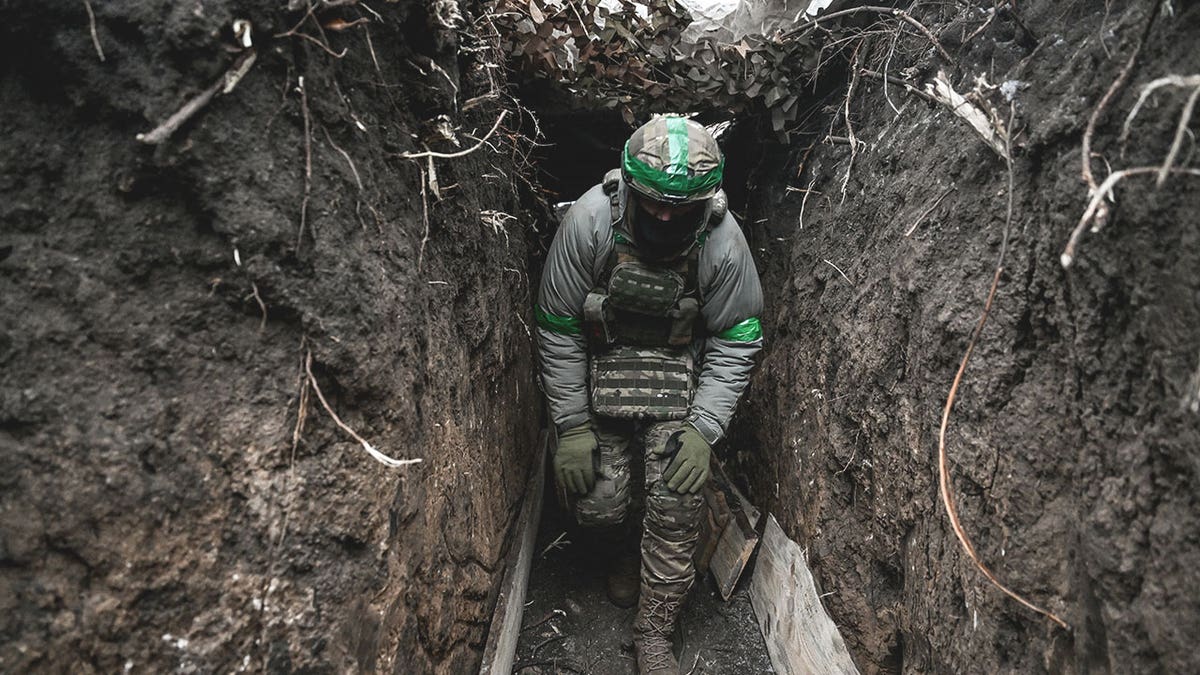
A soldier of a Ukrainian 2S22 Bohdana 155mm self-propelled howitzer crew of the Striletskyi Police Battalion of the Special Forces of the National Police of the Zaporizhia Region walks along a trench at a position in the Pokrovsky direction in the Donetsk Region, Ukraine, on January 23, 2026. (Dmytro Smolienko/Ukrinform/Nur photo via Getty Images)
According to one report published by INPACT in February 2026, almost 1,500 Africans were deployed between 2023 and mid-2025, of whom 316 died as a result of a few kilometers of snow in Ukraine, a loss rate of 22%. Many others are missing or cannot be reached by their families.
At the same time, the organization warned that not all foreign recruits were forced to serve, noting that some joined with a full understanding of the purpose of their trip to Russia and the terms of the contract, although the ratio remains unclear.
UKRAINE–RUSSIA AT A CROSSPOINT: HOW THE WAR DEVELOPED IN 2025 AND WHAT COMES NEXT
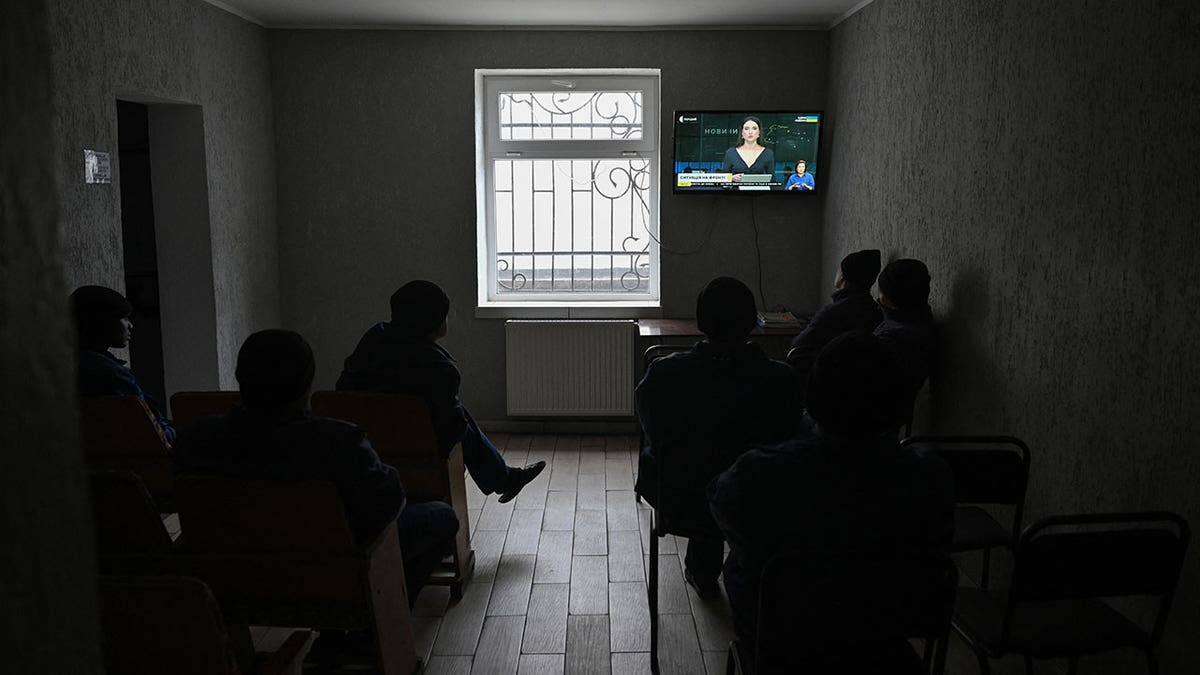
Nationals of African countries watch TV in a special section where foreign fighters captured while serving with Russian forces in Ukraine are being held at a detention center for Russian prisoners of war in western Ukraine on November 26, 2025. Since Russia invaded Ukraine in 2022, there have been many reports of African nationals fighting alongside Moscow’s forces, with some accusing the Russian military of using deceptive tactics to recruit them. In November 2025, Kiev said it had identified 1,426 fighters from 36 African countries serving in the Russian army. (Photo by Genya Savilov/AFP via Getty Images)
The accusations come as African leaders are publicly addressing the issue. Kenya’s foreign minister said Nairobi would speak to Russian authorities about the recruitment of Kenyan nationals, while South African President Cyril Ramaphosa raised concerns with Russian President Vladimir Putin after distress calls from South African citizens believed to be involved in the conflict, according to Reuters.
Truth Hounds said the legal status of foreign fighters presents a complex overlap between international humanitarian law and international human rights law. Individuals who sign contracts with the Russian Ministry of Defense are treated as members of the armed forces and are entitled to protection as prisoners of war, although some cases may also meet the criteria for human trafficking, raising additional legal questions.
“The key question remains how to effectively stop Russia from recruiting such individuals and how to hold Russia accountable for the ruined lives of those who have already ended up there,” the organization said.
CLICK HERE TO DOWNLOAD THE FOX NEWS APP
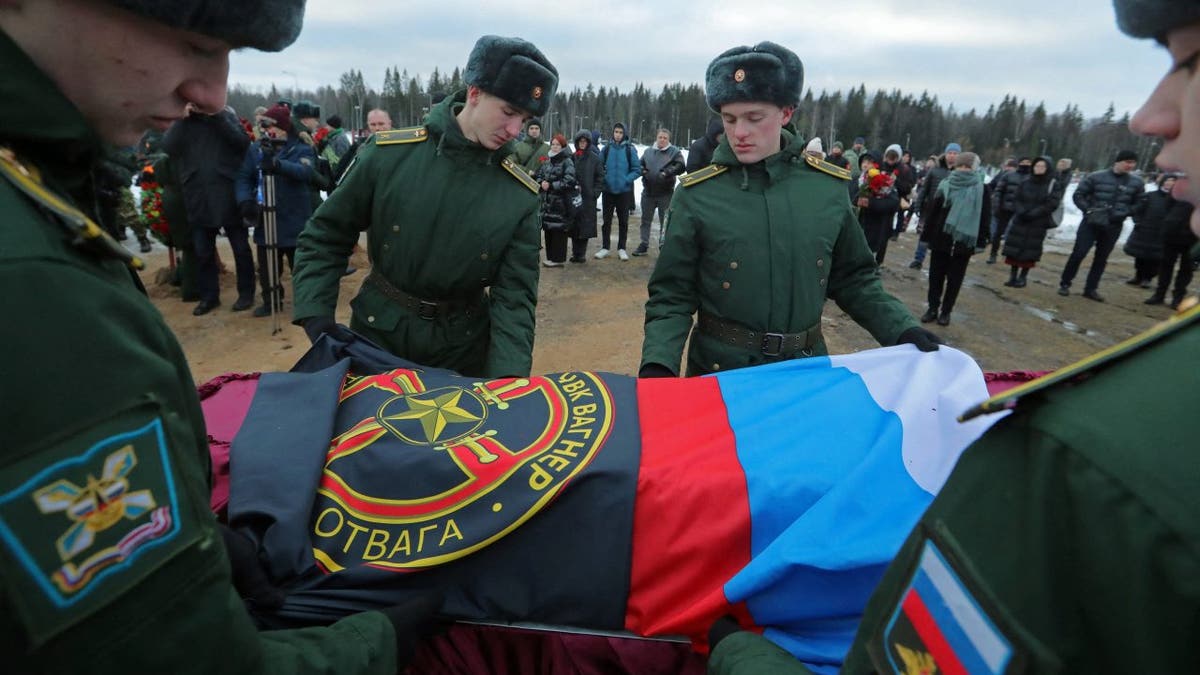
Cadets of a military academy cover the coffin with flags during the funeral of Dmitry Menshikov, a mercenary of the private Russian military company Wagner Group, killed during the military conflict in Ukraine, in the Alley of Heroes at a cemetery in Saint Petersburg, Russia, on December 24, 2022. (Igor Russak/Reuters)
Moscow has previously said foreigners could volunteer to join the armed forces. It has not publicly acknowledged coercive hiring practices.
As the war rages on, the competition for manpower extends beyond Europe’s borders, drawing vulnerable populations from Africa and Asia and creating new diplomatic and legal challenges for governments far from the front lines.
