



WASHINGTON – The US Senate on Thursday unanimously passed a ban on trading in prediction markets for its members and their staffs.
The ban in the Senate represents the first step Congress has taken on a fast-growing industry that has turned almost everything in public life into a gambling opportunity.
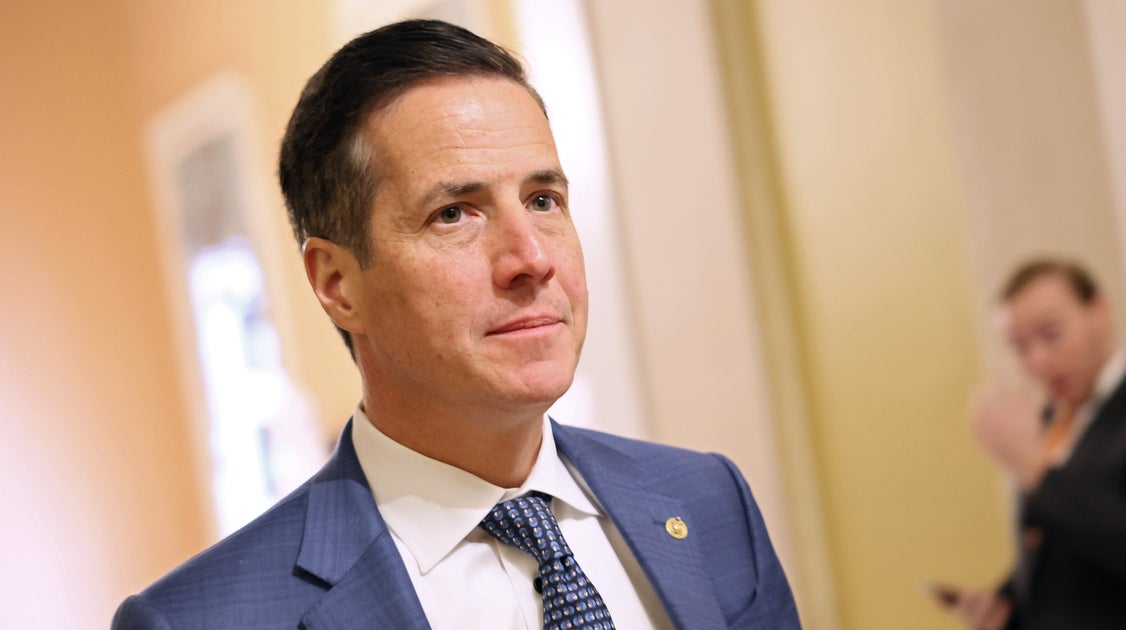
Senator Bernie Moreno (R-Ohio), who introduced the resolution, suggested it was more about Congress than the prediction markets themselves.
“It is imperative that the American people have more faith and trust in this institution. And this is just one small piece that we can take off the plate,” Moreno told HuffPost.
Prediction markets allow people to buy “event contracts” that pay out based on yes-or-no outcomes. Thanks to the Donald Trump administration’s permissive attitude toward the industry, market predictions over the past year have spread from elections and sports to random things like the length of a presidential speech or the duration of a national anthem performance.
There seems to be endless opportunities for unethical betting by people with insider knowledge of the events. Last week, the Justice Department announced charges against an Army soldier for improperly using classified information to place Polymarket bets. He had won $400,000 by betting on US military action in Venezuela and the ouster of Venezuelan President Nicolas Maduro – a move he helped plan and execute.
Highlighting the potential for insider trading by lawmakers, prediction market platform Kalshi announced last week that it had suspended from its platform three congressional candidates who had bet on their own campaigns.
The Commodities Futures Trading Commission, the federal agency that oversees the prediction markets, gave the green light to the explosion of event contracts scrapping its previous guidelines last year. Last month, the CFTC asked the public for input on how it might regulate the industry.
Multiple members of Congress in both parties have drafted legislation on prediction markets. Bills target betting by people with knowledge of the events and betting by government officials. One bipartisan proposal would ban prediction markets from offering event contracts for professional sports. (States have filed a lawsuit to prevent prediction market platforms from acquiring state-regulated sports betting from companies like FanDuel and DraftKings.)
However, it is not clear how quickly any bills could be introduced in the House or Senate. Sen. John Boozman (R-Ark.), chairman of the Senate Agriculture Committee, which oversees the CFTC, said he has no plans to hold a hearing.
“We’re waiting to see how the CFTC acts, what kind of enforcement mechanisms they’re going to put in place,” Boozman told HuffPost.
Boozman’s counterpart in the House of Representatives, Rep. Glenn Thompson (R-Pa.), said he has held roundtable discussions with lawmakers and industry experts.
“We have a lot to deal with with our members about that, especially as it becomes really relevant after the accused military member placed a significant insider bet,” Thompson told HuffPost.
Thompson said it would be helpful if the CFTC had its normal number of five commissioners instead of just one. Democrats have complained about the vacancies to no avail.
“What the CFTC does is protect corruption,” Sen. Chris Murphy (D-Conn.), who has proposed legislation banning prediction markets for government actions, told HuffPost. “It is very clear that this government is in favor of market corruption because they and their friends make a lot of money from corruption.”
Moreno, who authored the ban for senators, said he expected the House to pass a similar resolution. He said Congress should explore further oversight of the prediction markets, but that would take time. (His market resolution prediction was first reported by Punchbowl News.)
“That requires hearings so that we can dive deep and understand what is actually happening there. That doesn’t happen in five minutes,” Moreno said.
