



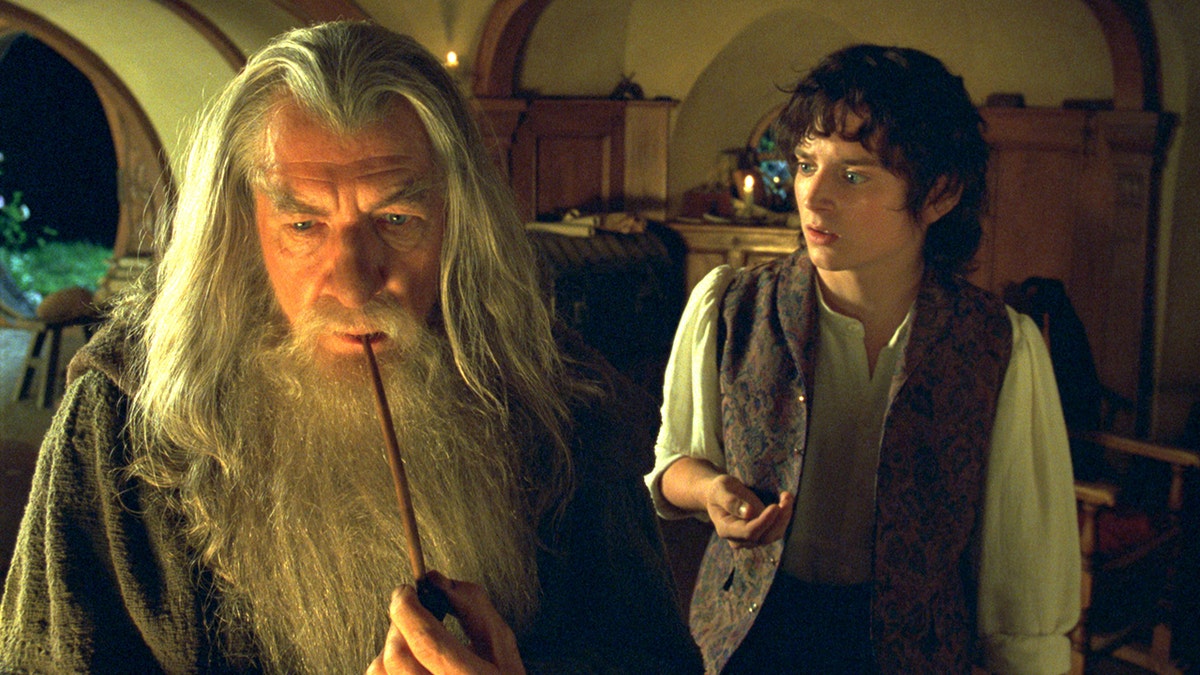
The profitable re-release of Peter Jackson’s ‘Lord of the Rings’ trilogy reflects more than the staying power of the quarter-century-old JRR Tolkien-based film franchise; it reveals a disturbing creative divide in contemporary Hollywood.
“The Lord of the Rings: The Fellowship of the Ring,” first released in 2001, grossed more than $900 million at the box office. The sequels “The Two Towers” (2002) and “The Return of the King” (2003) grossed more than $2 billion.
Re-releasing profitable and popular films is a tradition that goes back generations, starting with classics like “The Wizard of Oz,” “Gone with the Wind” and “Casablanca.” Before television and then videocassette recorders, the theater was the only place where you could rewatch what you saw on the big screen near you.
But studio executives recognized that viewers find satisfaction in seeing a movie more than once (or two or more!) – and sometimes even years or decades apart. Holiday or anniversary reissues have proven profitable. With the advent of IMAX technology and digital restoration capabilities, it’s been easy to find an excuse to reintroduce some classics.
MELANIA TRUMP HOSTS A STARRY WHITE HOUSE SCREENING FOR THE RELEASE OF HER FILM
Ian McKellen, left, played Gandalf opposite Elijah Wood’s Frodo, in “The Lord of the Rings: The Fellowship of the Ring,” based on the book by JRR Tolkien. (New Line/WireImage/Getty Images)
In the more than one hundred years that Hollywood has been making films, more than 25,000 films have been made. Major studios today release between 200 and 300 titles every year. That may sound like a lot, but it’s a dramatic drop from a century ago, when more than 800 films were made every twelve months.
While rating films is subjective, the vast majority are forgettable – but some are memorable, and not always because we love them. It’s interesting and revealing that according to IMDb, the Internet Movie Database, of the top 10 worst movies of all time, all but one (“RoboCop 3”) were made this century. Conversely, of the top ten films, only four were made in the last quarter century – and two of those were ‘Lord of the Rings’ titles.
Keep in mind that British writer JRR Tolkien wrote his famous series in the early to mid-century.
One of the most curious and baffling habits of Hollywood is the stubbornness and unwillingness of studios to produce more films that appeal to families. Instead, they insist on making films that offend our moral sensibilities, despite evidence suggesting that cleaner and healthier dishes would outperform the mess they create. We are bombarded with dark storylines littered with unnecessary profanity and unnecessary doses of sexuality and violence. Instead of goodness we get garbage.
KRISTEN STEWART PLANS DRAMATIC DEPARTURE FROM US OVER TRUMP’S AMERICA-FIRST FILM INDUSTRY POLICY
Since it’s more expensive to see a movie today than it was generations ago, it’s misleading to look at history’s highest-grossing films to see what struck a chord with audiences. Instead, look at which movies sold the most tickets. Of the top ten titles seen by most people, six are solid family fare: “Gone with the Wind,” “Star Wars: Episode IV – A New Hope,” “ET the Extra-Terrestrial,” “The Sound of Music,” “The Ten Commandments” and 1937’s “Snow White and the Seven Dwarfs.”
A seventh, “Jaws,” scared many children and beachgoers, but was still relatively tame compared to today’s offerings. There isn’t a single R-rated movie on the list.
So why not make more of what clearly works? This disconnect is something I have seen during my thirty years at Focus on the Family, a global family service organization. We hear from countless moms and dads who are hungry for wholesome and inspiring movies. That’s why we’re releasing our first animated children’s film in theaters next fall: “Adventures in Odyssey: Journey into the Impossible.” It’s the origin story of a long-running children’s radio program.
PATRICK SCHWARZENEGGER CREDIT PRAYERS WITH WOMAN AS DAILY ANCHOR IN HOLLYWOOD ‘ROLLER COASTER’
Of course, movies reflect culture, but they also reveal the hearts and minds of those who run studios and write the scripts for the stories being told. You probably don’t know the name Lewis R. Foster, but you probably know the film for which he won an Academy Award for writing: “Mr. Smith Goes to Washington,” starring Jimmy Stewart and directed by Frank Capra.
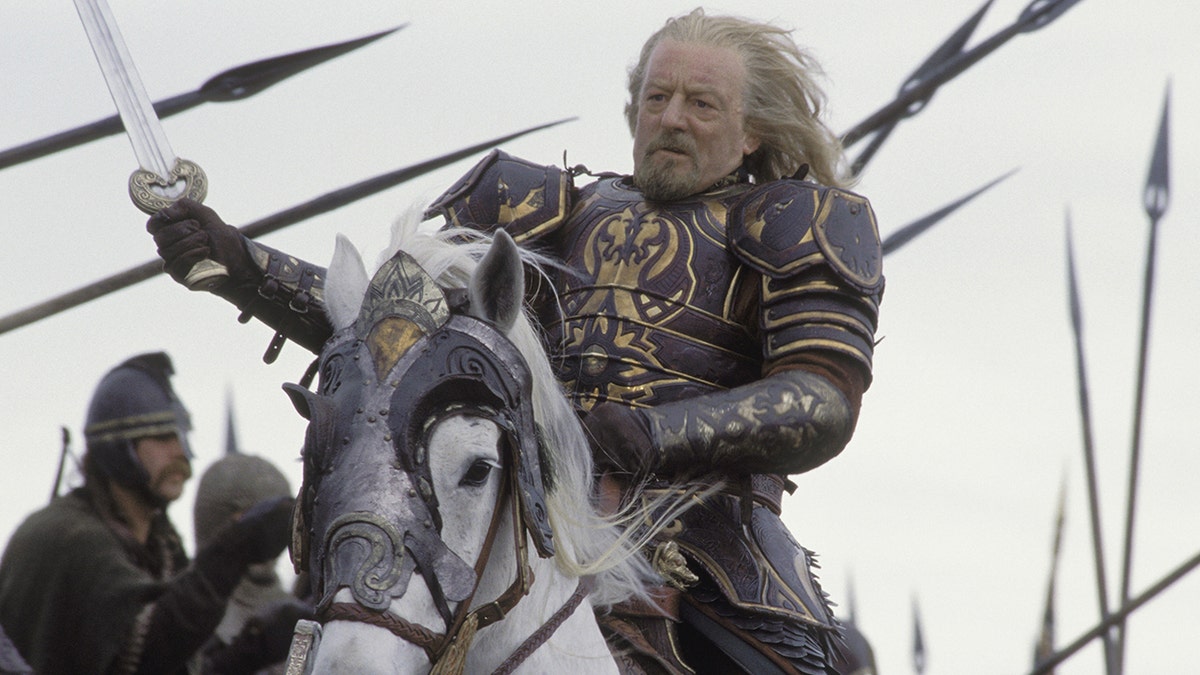
English actor Bernard Hill played the heroic Théoden, king of Rohan, in the trilogy “The Lord of the Rings”. He died on May 5, 2024, at the age of 79. (PictureLux/The Hollywood Archive/Alamy Stock Photo)
Stewart credited the classic film about the idealistic junior senator who fights corruption in the DC swamp with shaping his career and helping him see how strong and moral characters can positively impact the world. Foster personally embodied those ideals, loved America, his wife and family, and created the story. Because of that one story, Stewart pursued other similar stories, including “It’s a Wonderful Life” and “The Man Who Shot Liberty Valance.”
The beautiful mind of one man also helps to make the minds of other people more beautiful. Everything affects everything else.
CLICK HERE FOR MORE FOX NEWS ADVICE
There is a reason why the apostle Paul, who called himself the “chief of sinners,” urged people to be careful about what they watched and read. There were obviously no movies from 2,000 years ago, but there were plenty of other things vying for attention and influencing human behavior. That is why Paul wrote, “Whatever things are true, whatever things are noble, whatever things are good, whatever things are pure, whatever things are lovely, whatever things are admirable—if there is anything excellent or praiseworthy—think about such things.”
Of course, movies reflect culture, but they also reveal the hearts and minds of those who run studios and write the scripts for the stories being told.
If we truly want to redeem the culture, we will encourage the making of more films, like the Lord of the Rings trilogy, that embody these very virtues: of hope over fear, good over evil, and the importance of friendship, loyalty, and sacrifice.
CLICK HERE TO DOWNLOAD THE FOX NEWS APP
In his 1954 New York Times review of “The Fellowship of the Ring,” poet and essayist WH Auden praised the British writer, suggesting that his “invention is undiminished.” He then added: “Mr. Tolkien is fortunate in that he has an astonishing gift for naming and a wonderfully accurate eye for description… No fiction I have read in the past five years has given me more joy than ‘The Fellowship of the Ring.'”
Hollywood would do us all (and its own financial bottom line) a favor if it tried to emulate the same traits of its screenwriters when sourcing scripts and stories for the big screen.
CLICK HERE TO PAUL BATURA
