




U.S. Ambassador to the United Nations Mike Waltz on Wednesday presented a draft U.N. Security Council resolution to partner countries aimed at advancing President Donald Trump’s peace plan in Gaza, including authorization for an international security force, a senior U.S. official said.
Waltz recently met with representatives from Egypt, Qatar, Saudi Arabia, Turkey and the United Arab Emirates, who are expected to coordinate humanitarian and reconstruction efforts around the proposal. The draft resolution seeks to authorize a two-year international stabilization force in Gaza under UN supervision – part of what officials describe as “phase two” of the broader post-war plan.
According to Reuters and the Associated Press, the draft would give the mission the authority to “take all necessary measures” to secure Gaza, protect civilians and begin demilitarizing armed groups once large-scale fighting ends. The plan includes the formation of a transitional peace council to coordinate with Egypt, Israel and a vetted Palestinian police force.
US military will oversee the next phase of the peace deal from its coordination base in Israel
Washington has ruled out sending US combat troops but has asked Muslim-majority countries including Indonesia, Egypt, the UAE and Turkey to contribute. Israeli officials have already said they will not allow Turkish troops to their borders.
The meeting, which included the Palestinian Authority, marked a rare diplomatic engagement, notable because the US plan called for returning authority to the PA after reforms, a condition Israel opposes, Axios reports.
Military vehicles are gathered near the Israel-Gaza border, amid a ceasefire, in southern Israel on October 12, 2025. (Ammar Awad/Reuters)
Kosovo: a model of success
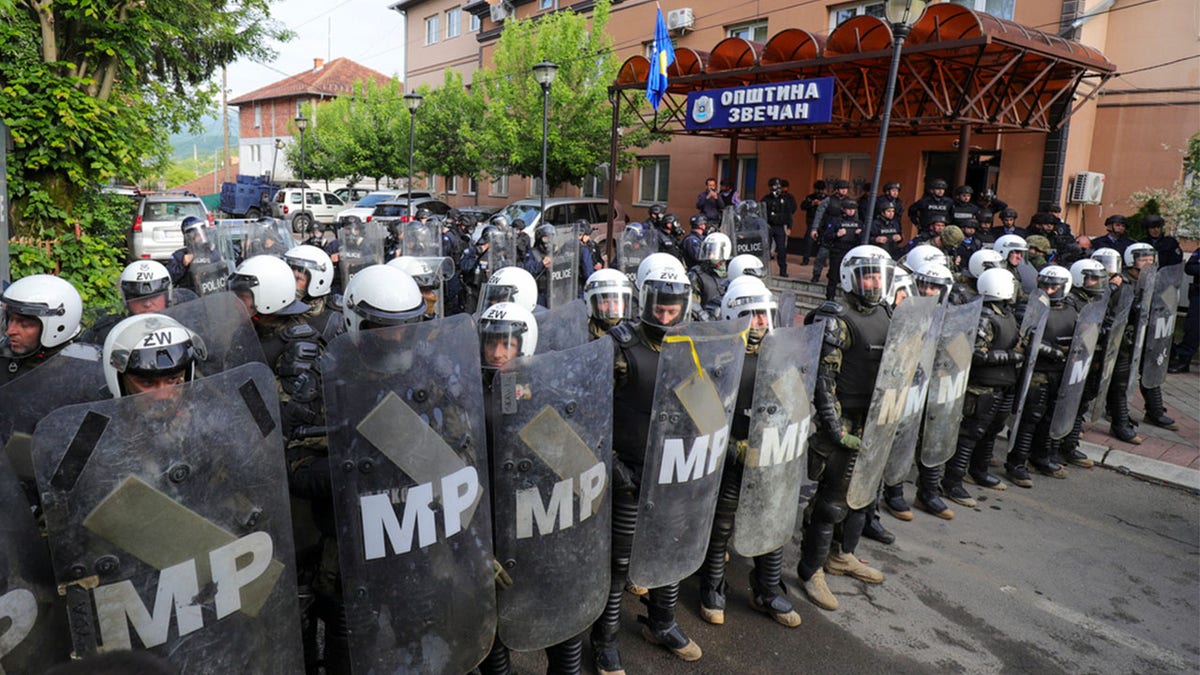
Polish soldiers, part of the peacekeeping mission in Kosovo, guard a municipal building in the town of Zvecan, northern Kosovo, May 29, 2023. (AP Photo/Bojan Slavkovic)
Following the 1999 NATO campaign, the Kosovo Force (KFOR) was deployed under UN Security Council Resolution 1244 with approximately 50,000 troops to stabilize the region, separate fighters and rebuild governance.
“Kosovo gives you the best example,” Spencer said. “It had a clear disarmament mandate, a capable coalition and sufficient troops to enforce peace.”
Experts urge TRUMP to ban terrorism-linked UN agency from his Gaza peace plan
He warned that Gaza will require similar patience. “If anyone believes that this will just disappear from the news in six months, that is not the reality,” he said, noting that KFOR remains in place decades later, albeit with fewer troops.
Bosnia: Mandate and mass
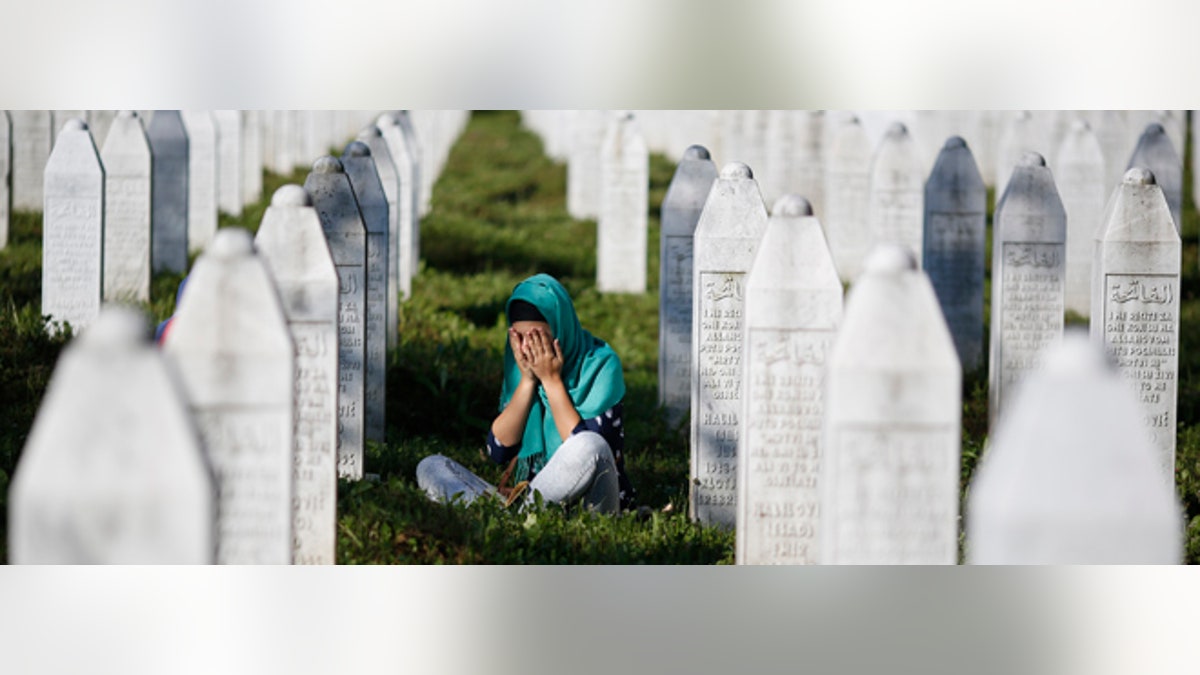
A woman mourns among the graves at Memorial Center Potocari, near Srebrenica, Bosnia and Herzegovina, on July 11, 2015. (AP)
The 1995 Dayton Accords ended the war in Bosnia and authorized the NATO-led Implementation Force (IFOR), followed by the Stabilization Force (SFOR). About 60,000 troops were deployed to enforce peace, separate armies and support reconstruction.
“These were important forces with clear mandates for disarmament,” Spencer said. “This is what success looks like: a mission with both power and legitimacy.”
FRENCH-DRAFTED UNIFIL RESOLUTION COULD PROTECT HEZBOLLAH WHILE US REMAINS SILENT
He added that the Gaza mission must reflect Bosnia’s strong command structure and clear legal authority, and not rely on unarmed observers.
East Timor: Accelerated Legitimacy
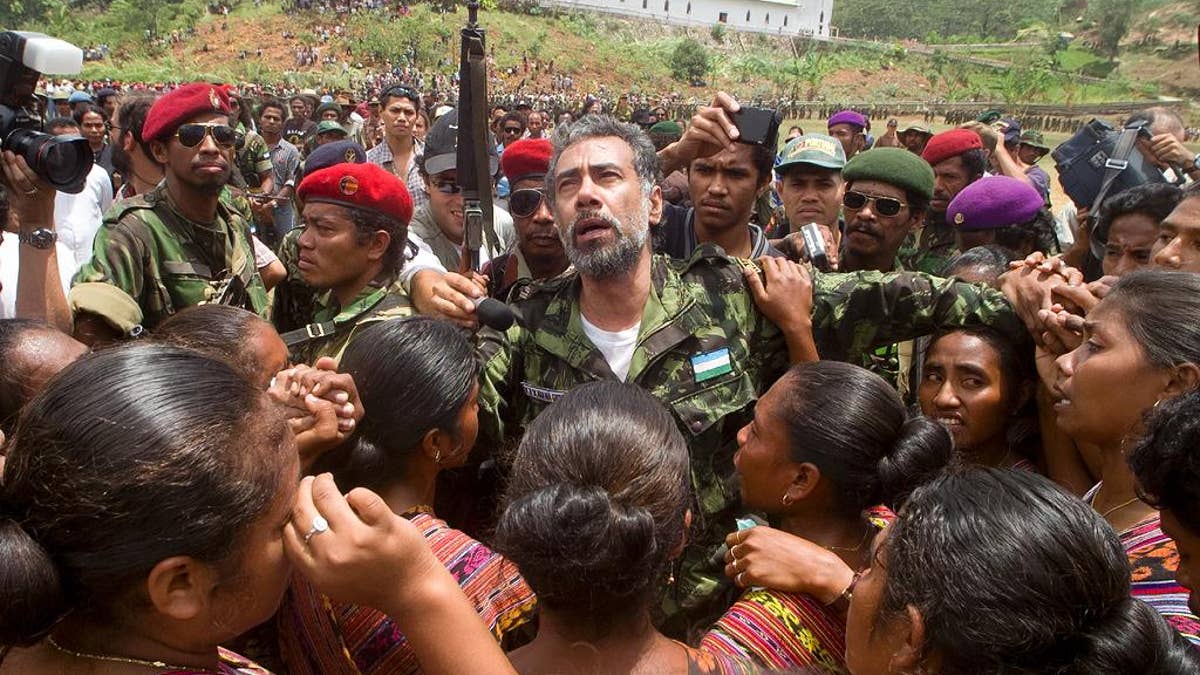
East Timorese rebel leader (AP Photo/Charles Dharapak)
In East Timor, an Australian-led mission came under UN authority in 1999 following post-independence violence. It restored order and laid the foundation for local government.
“East Timor shows how quickly you can start rebuilding governance when the force enjoys legitimacy and local trust,” Spencer said. “That legitimacy must exist in Gaza from day one.”
MIKE WALTZ SEES TRUMP’S GAZA PLAN AS ‘ONCE-IN-A-GENERATION OPPORTUNITY FOR PEACE’
Lebanon: a cautionary tale
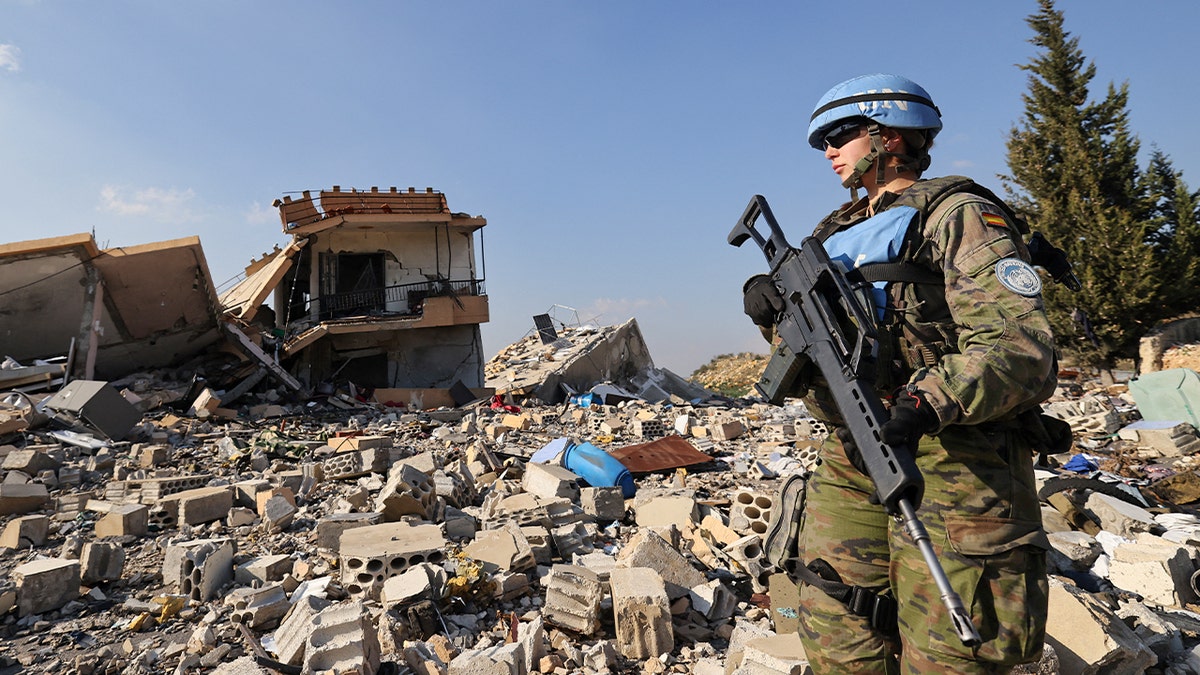
A member of the UNIFIL force patrols the southern Lebanese village of Borj El Mlouk, near the border with Israel, on January 7, 2025. (Anwar Amro/AFP via Getty Images)
In contrast, the UN Interim Force in Lebanon (UNIFIL), established in 1978 and expanded after the 2006 war, is what Spencer calls a failure.
“South Lebanon was not a success story,” he said. “They were glorified observers with no mandate to demilitarize anything.”
Israel has long criticized UNIFIL for allowing Hezbollah to entrench itself under its watch. Spencer said the same mistake cannot be repeated in Gaza. “It should be seen as liberating areas from militant rule, not occupying them,” he said.
NETANYAHU’S SECURITY CABINET WILL MEET ON GAZA WAR, AS SOME IN ISRAEL CALL FOR RESETTLEMENT OF ENCLAVE
Lessons for Gaza
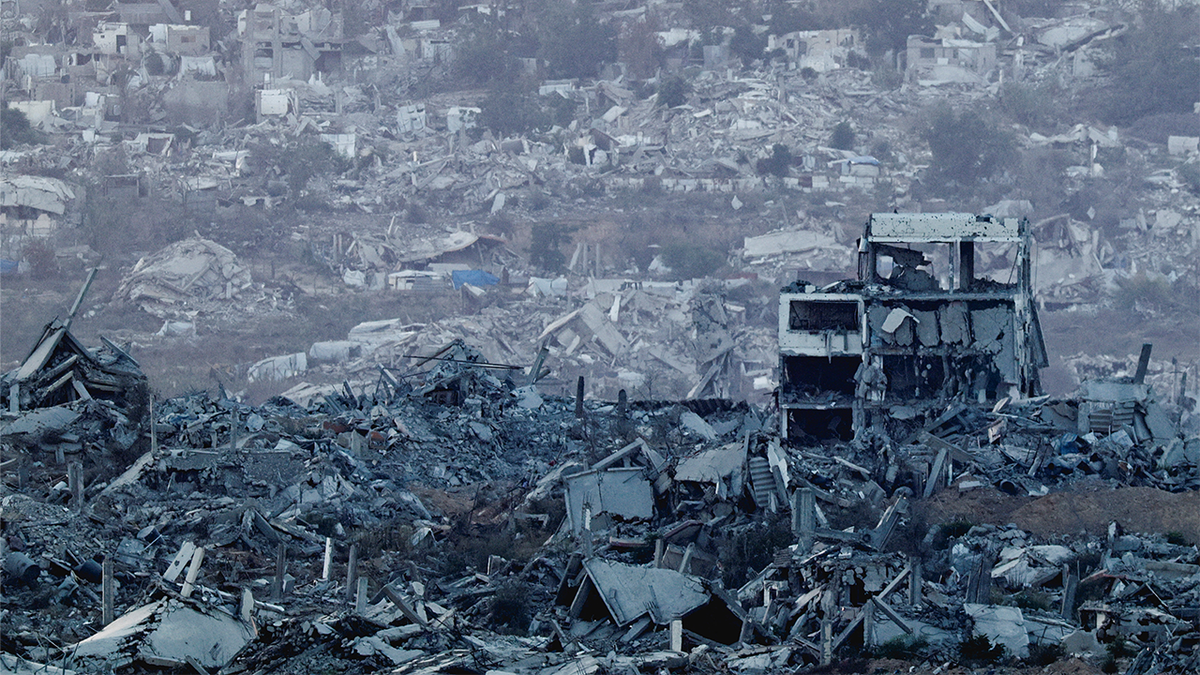
Destroyed buildings in Gaza, seen from the Israeli side of the border, July 28, 2025. (Reuters)
Spencer described an “inkblot strategy”: stabilizing evacuated districts while fighting elsewhere continues. “You can create safe areas where a stabilization force, under the proper mandate and properly equipped, stabilizes areas while also conducting operations against Hamas,” he said.
He predicts that the Israeli army will continue high-intensity operations, while international forces will focus on humanitarian aid, demining and restoring order in secure zones. “Part of the lesson is to give people a vision of life after Hamas,” Spencer said.
During a recent visit to Gaza, Spencer said he saw “a glimmer of hope” in newly established humanitarian zones within cleared areas. “If you start quickly, even on a small scale, success builds success,” he said.
About 200 U.S. personnel are already on the ground at a civil-military coordination center managing logistics and planning for the proposed transition in Israel. Spencer said this small presence will be critical to coordinating relief, reconstruction and stabilization without fighting.
He warned that the mission will face disinformation and attacks from anti-peace groups. “There are people who don’t want this to succeed,” he said. “It is critical to think about how they are going to undermine this – especially online.”
CLICK HERE TO DOWNLOAD THE FOX NEWS APP
He added that stabilization must be accompanied by local capacity building. “You must start training a vetted Palestinian police force and governance team,” he said. “This is how you build legitimacy.”
