



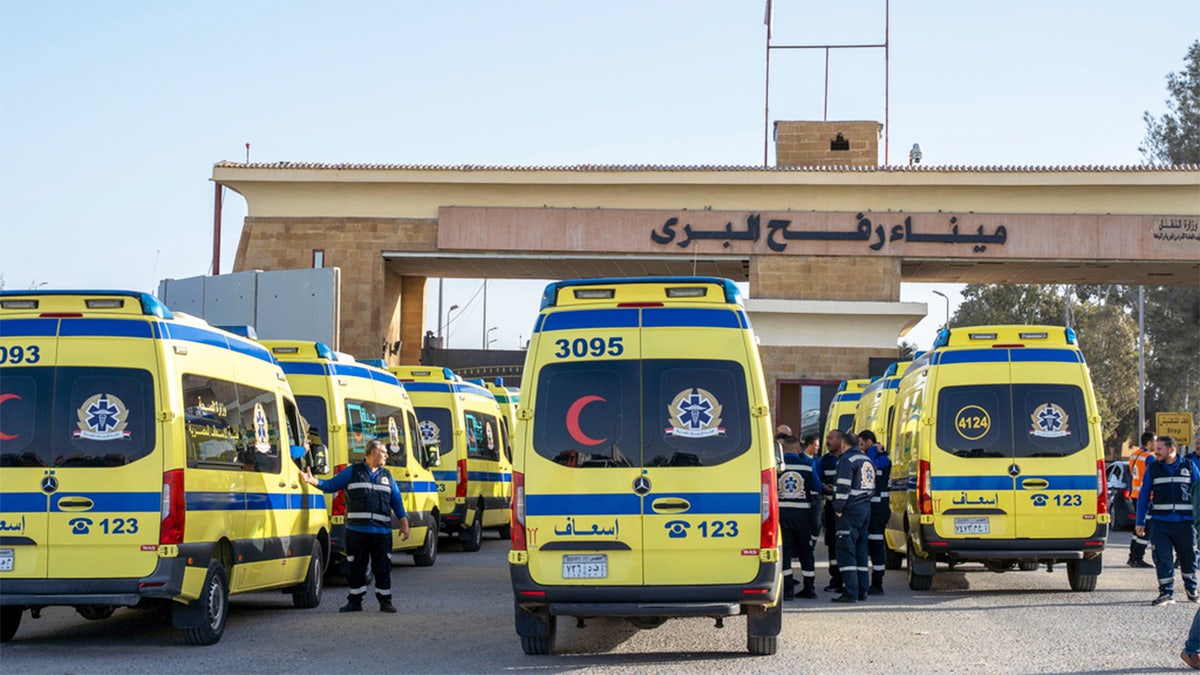
Gaza’s Rafah border crossing with Egypt resumed on a limited basis on Monday under the terms of the ceasefire agreement between Israel and Hamas, reopening a crucial gateway that had been largely closed for almost two years.
The reopening is accompanied by strict restrictions. Only a small number of people will be allowed to travel in both directions and commercial goods will not be allowed to pass through the border crossing, officials said.
Egyptian authorities said a maximum of 50 Palestinians could cross in each direction on the first day of operations, a figure that reflects the limited scope of the initial reopening rather than a full return to pre-war travel.
Health officials in Gaza say tens of thousands of residents with urgent medical needs are seeking evacuation through Rafah, underscoring pressure on the border crossing even as access remains tightly controlled. Thousands of Palestinians currently outside Gaza also hope to return.
US military will oversee the next phase of the peace deal from its coordination base in Israel
Ambulances queue to enter the Egyptian Rafah border crossing gate on their way to the Gaza Strip, in Rafah, Egypt, Sunday, February 1, 2026. (AP Photo/Mohamed Arafat)
Before the war, Rafah was Gaza’s main gateway to the outside world. All other border crossings into the territory are shared with Israel. Under the ceasefire that came into effect in October, Israeli forces continue to control the corridor between the border crossing and areas where most Palestinians live.
Israel and Egypt monitor travelers and the crossing is controlled with international involvement, officials said, as part of efforts to prevent arms smuggling while allowing limited humanitarian movements.
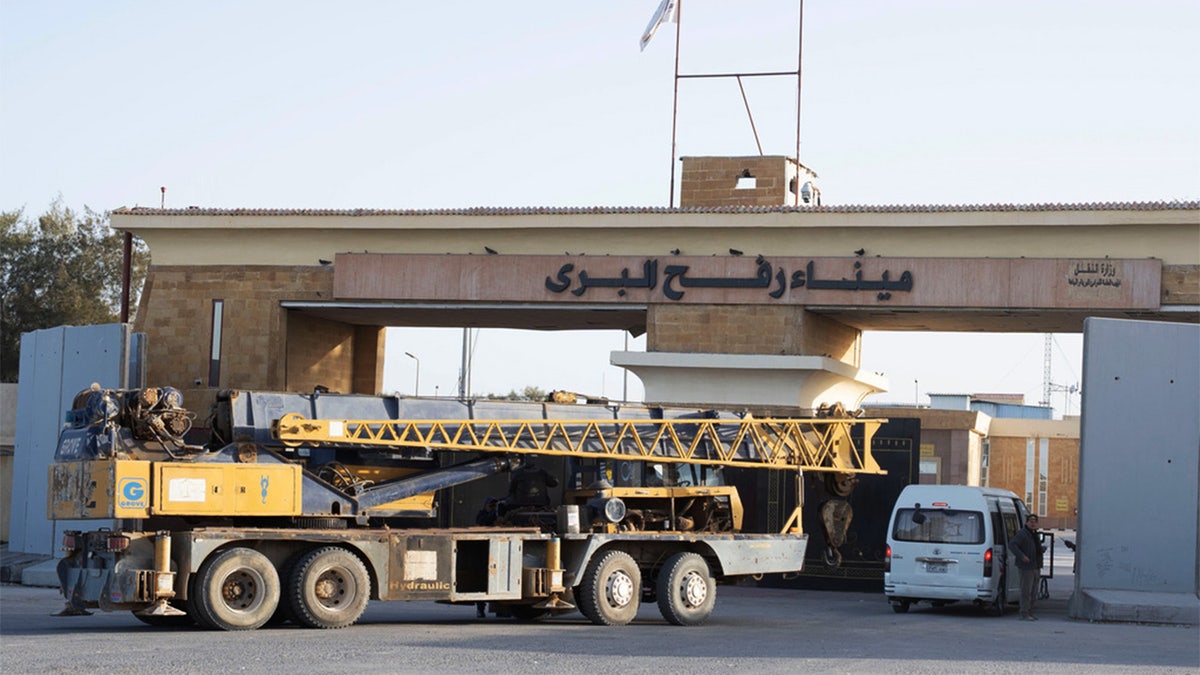
A crane enters the Egyptian gate of the Rafah border crossing into the Gaza Strip, in Rafah, Egypt, Sunday, February 1, 2026. (AP Photo/Mohamed Arafat)
Egypt has said the border crossing should function in both directions and has opposed any use of Rafah as a mechanism to permanently expel Palestinians from Gaza.
US WITKOFF SAYS HIGH-LEVEL MIAMI CROSS-TALKS FOCUSED ON ‘UNIFIED GAZAN AUHORITY’ AS ISRAEL GOES OFF
Elsewhere in the area, combat-related incidents continued despite the ceasefire. Gaza hospital officials accused an Israeli navy ship of firing on a tent camp near the southern town of Khan Younis, killing a three-year-old Palestinian boy. The Israeli military said it was reviewing the report.
Egyptian authorities said around 150 hospitals across the country are prepared to receive patients evacuated from Gaza, while the Egyptian Red Crescent has set up support areas on the Egyptian side of the border crossing.
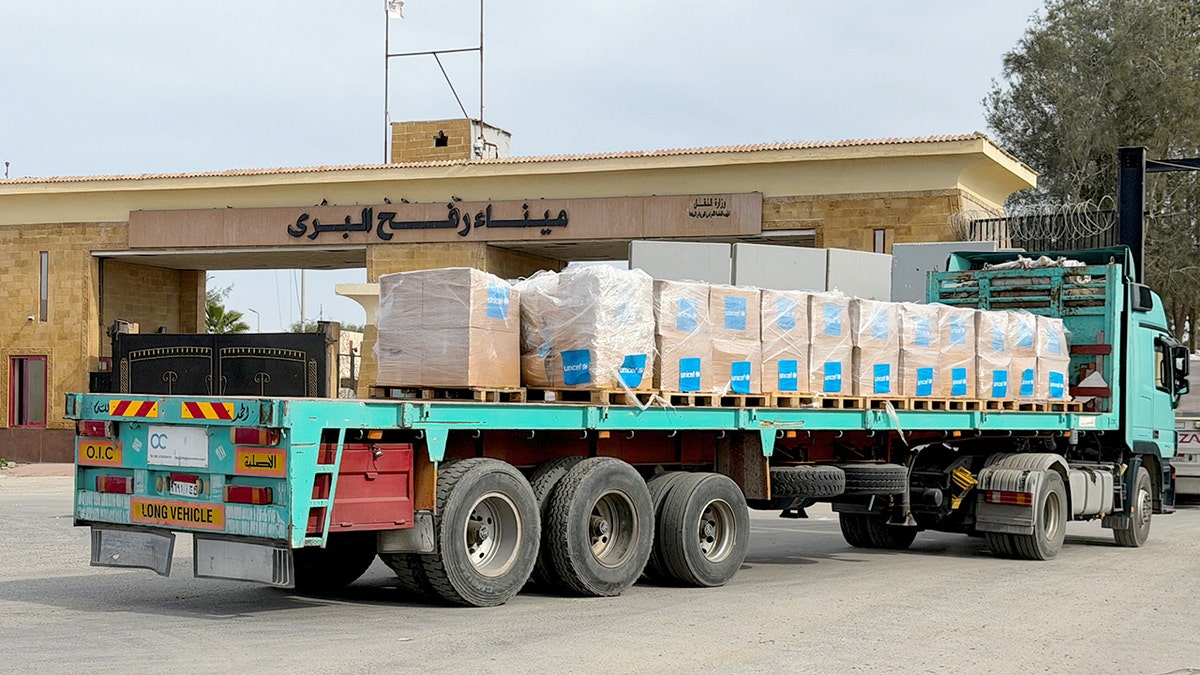
A truck carrying humanitarian aid at the Rafah border on the Egyptian side, in Rafah, Egypt, on Thursday, January 29, 2026. (Reuters)
Israel took control of the Rafah crossing in May 2024, describing the move as part of its campaign against Hamas smuggling routes. The border crossing was briefly opened for medical evacuations in early 2025 during a short-lived ceasefire.
The US-brokered ceasefire that took effect on October 10 ended more than two years of fighting that began with the Hamas-led terror attacks on southern Israel on October 7, 2023. The first phase of the ceasefire focused on hostage exchanges, increased humanitarian assistance and a limited Israeli withdrawal.
CLICK HERE TO DOWNLOAD THE FOX NEWS APP
A second phase envisions a new Palestinian government arrangement for Gaza, the deployment of an international security force, the disarmament of Hamas and steps toward reconstruction — goals that remain unresolved.
The Associated Press contributed to this report.
