



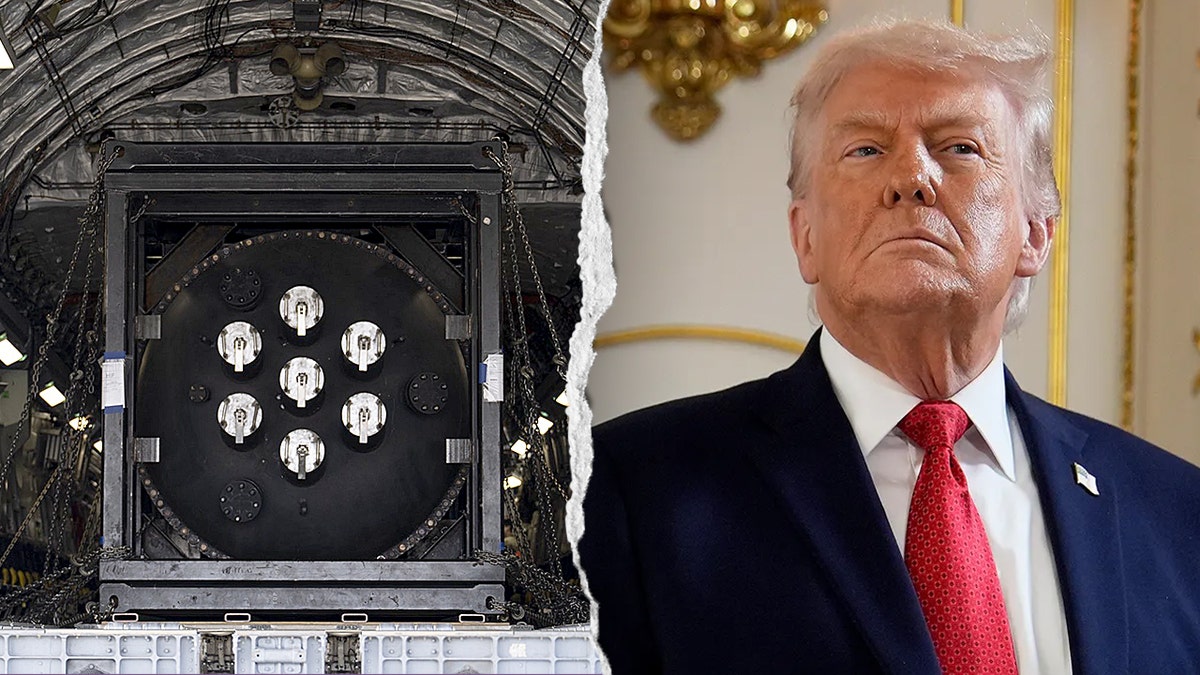
In February, the United States flew a nuclear microreactor for the first time. It was more than a technical achievement; it was a symbol of transformation, akin to the launch of the first steam-powered sailing ships that reshaped global trade. And just as we can’t build the progress of the 20th century on the backs of wind-powered ships, we can’t power the 21st century economy with unreliable, weather-dependent energy sources. America’s future prosperity requires abundant, affordable, and reliable energy to supplement America’s vast reserves of fossil fuels. The solution is clear: a new generation of advanced nuclear reactors.
America is entering a new era of industrial revival, driven by a surge in domestic manufacturing and the rise of artificial intelligence. This wave is causing an unprecedented hunger for electricity. After a decade of flat demand, American industries are coming back to life. But grid operators are warning of an impending ‘reliability crisis’, as reliable power plants are being taken out of service much faster than they are being replaced.
Meanwhile, demand from AI, electrification, and resurgent manufacturing is expected to add as much as 166 gigawatts (fifteen times what New York City needs) of new peak loads by the end of the decade—an unprecedented increase that will strain existing infrastructure.
For decades, nuclear power has been a modest giant in the energy sector, supplying nearly 20% of America’s electricity with unparalleled reliability. Today, a new generation of advanced reactors – small modular reactors (SMRs) and microreactors – are poised to expand the role of nuclear energy. These reactors are designed to be built in factories and assembled on site, dramatically reducing construction times and costs.
TRUMP ADMIN LAUNCHES KEY COUNCIL AFTER BIDEN ADMIN CLOSES: ‘IGNORANCE AND ARROGANCE’
The War Department has airlifted a next-generation nuclear reactor to Utah, furthering President Trump’s push to modernize American energy and strengthen national security. (Department of War; Getty Images)
Their smaller size allows them to be deployed in more places, including at decommissioned coal-fired power stations to reuse existing network infrastructure and skilled labor. A single SMR module can power a large data center campus or a cluster of factories.
In addition to electricity, these advanced reactors can also provide high-temperature heat needed for the production of steel and fertilizer, a crucial industrial input that solar and wind energy cannot provide. SMRs can even power desalination plants to turn arid landscapes into thriving communities. Microreactors are already being developed to provide safe, resilient energy to remote military bases such as Eielson Air Force Base in Alaska, freeing them from dependence on the electrical grid.
The main obstacle to this promising future is not physics or technology; it is half a century of suffocating government bureaucracy. The Nuclear Regulatory Commission (NRC) licensing framework was designed for the large reactors of the 1970s and is inadequate for today’s advanced designs.
TRUMP ADMIN’S ENERGY AGENDA GREAT FOR CRUCIAL ‘WINS’ AS GREEN ACTIVISTS EXCLUDE
Congress has directed the NRC to create a modern, streamlined process known as Part 53. But instead of a clear path forward, the draft rule becomes another layer of complex, burdensome requirements that could slow innovation rather than enable it. This takes us further from, rather than closer to, the energy dominance agenda. Instead, we should end the local nuclear ban and lower barriers for startups looking to increase competition and innovation.
We must also reject outdated fears about nuclear energy. Today’s advanced reactors are not our grandparents’ power plants. They have inherent safety features that make accidents extremely unlikely, if not physically impossible.
They also help us treat our environment responsibly: they produce enormous amounts of energy from a small amount of fuel, with a minimal physical footprint and without air pollution. This is in stark contrast to solar and wind energy, which require vast tracts of land and large-scale mining for their construction and deployment.
Public perception must also evolve. There are those who still raise concerns about nuclear safety and waste. But the entire amount of fuel used by the US nuclear industry over a sixty-year period could fit on one football field.
CLICK HERE FOR MORE FOX NEWS ADVICE
Far from being a crisis, this material is a manageable byproduct and can even be reprocessed to yield valuable minerals and reusable uranium. The much bigger crisis is a lack of energy, which is pushing billions of people into poverty worldwide and threatening the stability of our own economy.
In addition to electricity, these advanced reactors can also provide high-temperature heat needed for the production of steel and fertilizer, a crucial industrial input that solar and wind energy cannot provide.
This is not just an economic issue – it is a national security imperative. While the US nuclear industry is mired in red tape, Russia and China are aggressively exporting their own reactors around the world, using state-backed financing to create decades-long dependencies.
CLICK HERE TO DOWNLOAD THE FOX NEWS APP
Every market we grant them is a loss for American influence and security, and every time an American SMR developer is stopped by the bureaucracy it is a win for Moscow and Beijing. We can either lead the world in establishing the gold standard for security and non-proliferation, or we can cede the future of global energy to authoritarian regimes.
America has always done well when it embraced bold technologies and rejected complacency. So now is the time to be brave. The rise of AI and the return of manufacturing represent a historic opportunity. But to seize it, we must have the energy to power it. The servers that process complex algorithms and the factories that forge new products all depend on a simple input: always-on energy.
Ted Ellis is Deputy Director of Energy and Environment at the America First Policy Institute.
CLICK HERE TO BY NEWT GINGRICH
