



SEC Chairman Paul Atkins discusses the impact of the government shutdown on the markets and three things keeping companies from going public on “The Claman Countdown.”
The chairman of Wall Street watchdog the Securities and Exchange Commission (SEC), Paul Atkins, discussed the negative impact of the government shutdown on the markets and how he aims to “make IPOs great again” Monday on “The Claman Countdown.”
TRUMP ADMIN MAY PARTIAL RESUME SNAP BENEFITS AS SHUTDOWN GETS LONGER
The SEC, charged with greenlighting publicly traded companies and tracking down market fraudsters, employed more than 4,200 people before the government shutdown. Now less than 10% of the workforce remains, with fewer than 400 employees left to monitor the markets.
Moreover, the SEC has about half the number of publicly traded companies it did 30 years ago, the chairman lamented.
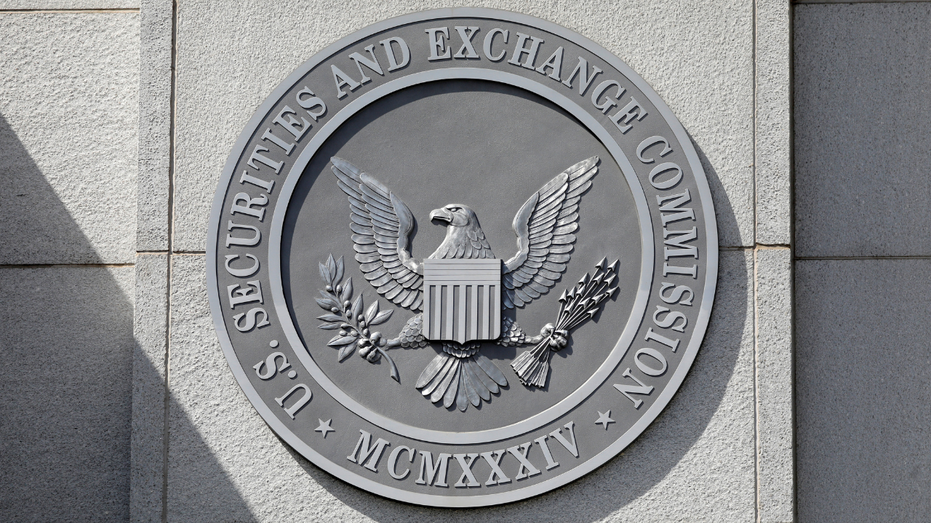
The seal of the United States Securities and Exchange Commission (SEC) is seen at their headquarters in Washington, DC, USA, May 12, 2021. (Andrew Kelly/Reuters/Reuters)
However, Atkins explained the rule the SEC “dusted off” during the government shutdown, allowing two companies to get initial public offerings last week.
“It was the original way Congress designed the Securities Act of 1933, which basically said you file your registration statement for your new securities offering, wait 20 days, and then you can go public and sell your securities,” Atkins explained.
SEC CHAIRMAN GARY GENSLER RESIGNS IN JANUARY
The SEC chairman said several companies are already benefiting from this faster process.
“About 20 companies had gone through quite a few rounds of comments with our staff,” Atkins said. “And so we said you can withdraw your stay amendment, as we call it, and make it public after 20 days.”
The SEC approved Maplight and Navon as IPOs under the rule, Atkins said, adding that “more may follow soon.”
A pedestrian crosses Pennsylvania Avenue at sunrise near the U.S. Capitol. Forty-eight states and the District of Columbia observe daylight saving time eight months a year. (Tom Brenner/Reuters/Reuters)
“I understand there might be one tomorrow,” he added.
When Claman asked how the SEC can ensure that corporate malfeasance and other problems continue to enter the capital markets, Atkins responded that the rule only helps a small group of companies that are already “ready to go.”
TRUMP ADMIN MOVES TO ROLL BACK BIDEN-ERA CFPB REGISTRATION RULES
“They were in the final stages of commenting,” he said. “Hopefully this whole shutdown nonsense will end very soon so we can get back to work, investigate files and monitor the markets as we normally do.”
Atkins described his efforts to “make IPOs great again” and cited several factors that prevent companies from going public.
The stock market chart on the background of the 100 dollar bill
He emphasized that disclosure of a company’s risk factors should not become “the largest section” in its annual report.
GET FOX BUSINESS ON THE GO BY CLICKING HERE
“We will accept companies going public that have bylaws that provide for mandatory arbitration, commission-shifting ‘loser pays’ provisions, or both,” Atkins said.
