



Food choices? These are for the government to decide. That’s the message behind a lawsuit filed by San Francisco City Attorney David Chiu against “some of the nation’s largest manufacturers of ultra-processed foods.”
It is the first government lawsuit in the country against food companies. Chiu’s office claims that “the proliferation of ultra-processed foods in the American diet has been linked to a host of serious health problems” and has imposed “untold health care costs on Americans, as well as on cities and states across the country.” The lawsuit alleges that the food industry is aware that its products are making people sick, yet continues to invent and market increasingly addictive and harmful products to maximize profits.
The defendants are among the biggest players in the food world. Kraft Heinz Co., Post Holdings, Coca-Cola Co., PepsiCo, General Mills, Nestle USA, the Kellogg Co., Mars, Inc. and ConAgra Brands must now defend themselves against choices made by consumers demanding their legally manufactured and sold merchandise.
“They took food and made it unrecognizable and harmful to the human body. We need to be clear that this is not about consumers making better choices. Recent surveys show that Americans want to avoid ultra-processed foods, but we are being inundated with them. These companies created a public health crisis, they profited handsomely from it, and now they must take responsibility for the harm they caused,” Chiu said.
LEADING ‘BIOHACKER’ REVEALS WHY RFK JR.’S HEALTH CRUSADE ‘Couldn’t Come at a Better Time’
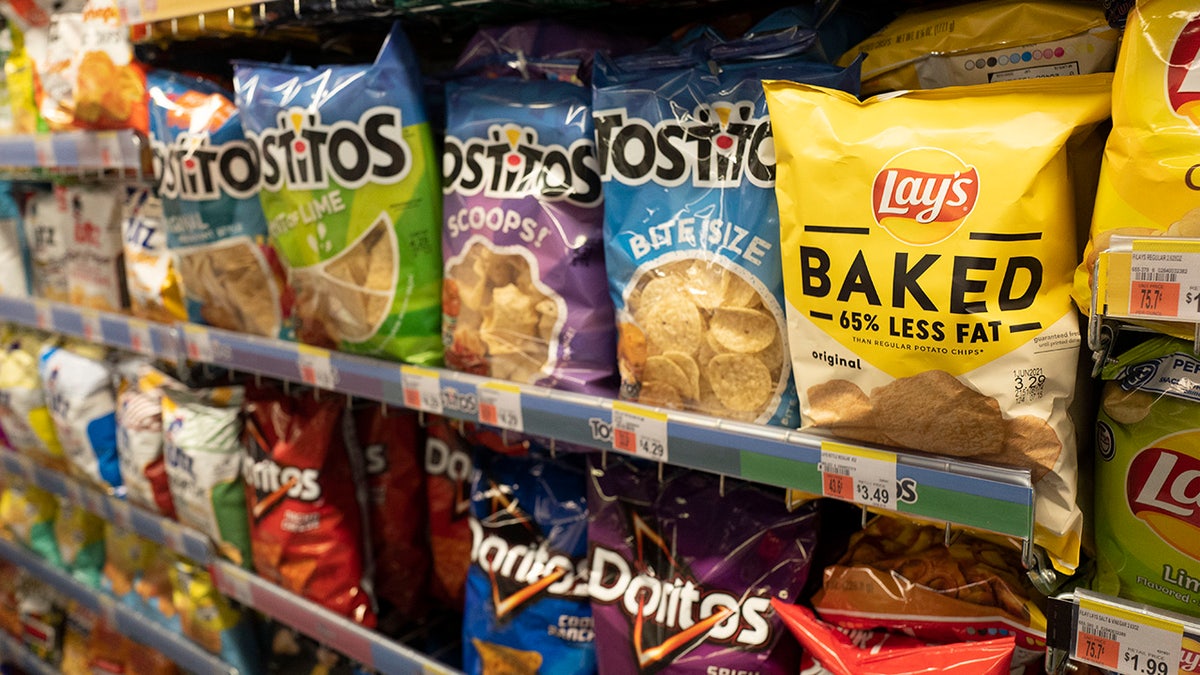
Chips will be on display at a store in New York on March 25, 2021. (AP/Mark Lennihan)
No one is under the illusion that Twinkies are healthy, or that guzzling a six-pack of Coca-Cola every day is a smart choice. But consuming what is considered junk food, as well as “ultra-processed” food, is a free choice. Despite our abundance of nutritious options, even the most health-conscious people will sometimes opt for foods that are not considered healthy but can still be delicious.
Chiu and food activists continue as if the food industry offers only the worst possible offerings. They never bother to ask if any society in human history has ever had so much choice and easy access to quality food, because they won’t like the answer.
Restricting food choices rarely results in “better options or health for consumers” anyway, says the Competitive Enterprise Institute. Restrictions “typically increase the cost of living for those who can least afford it, while causing other perverse and potentially dangerous consequences.”
CALIFORNIA RESTAURANTS STRIKE ON NEW ALLERGEN MENU MANDATE AGAINST COMPLIANCE CONCERNS AND COSTS
“Some rules are intended to limit choice or discourage consumers from choosing certain goods or services” – isn’t this Chiu’s goal? – and “whatever the intent, government regulation necessarily imposes costs on producers and consumers, reduces choice and changes consumer behavior – not always for the better.”
There is more than just a nanny-state mentality at work regarding the lawsuit. The feeling of a shakedown is strong. While Chiu wants to force the companies to stop what he calls “deceptive marketing” and demand that they “take action to correct or reduce the effects of their behavior,” he also wants their money. His office is seeking “restitution and civil penalties to remedy the public nuisance and help local governments offset the astronomical health care costs associated with the consumption of ultra-processed foods.”
CLICK HERE FOR MORE FOX NEWS ADVICE
Chiu even brings up “Big Tobacco,” which agreed to pay states $206 billion over 25 years as a result of the 1998 settlement with litigious attorneys general, who cited the health harms of smoking in their lawsuits. But instead of using the funds to improve public health, within the first decade state governments had spent them “on purposes other than those for which they were intended,” according to Citizens Against Government Waste, using the “constant flow of their tobacco windfall to do almost anything they wanted.”
The Centers for Disease Control and Prevention (CDC) said in 2024 that only one state, Maine, used settlement money and funds from a $1.1 billion e-cigarette settlement to pay for tobacco prevention at the CDC’s recommended level. Only eight states spent more than half, while 31 states and the District of Columbia spent less than a quarter.
Restricting food choices rarely results in “better options or health for consumers” anyway, says the Competitive Enterprise Institute.
CLICK HERE TO DOWNLOAD THE FOX NEWS APP
San Francisco even enjoyed tobacco money, gobbling $539 million from the main settlement.
It amounts to a glittering jackpot for government officials. They can control the lives of others, raking in someone else’s dollars to spend as they see fit while doing so.
CLICK HERE TO BY KERRY JACKSON
