




Ukraine is rushing to shore up its air defenses as a brief lull in Russian attacks on Kiev and other cities nears its end, and military and diplomatic experts warn the move will do little to change battlefield conditions and could ultimately strengthen Moscow’s negotiating position.
Earlier Friday, President Donald Trump said at the White House: “I think we’re getting very close to a settlement,” expressing optimism about the upcoming talks between Russia and Ukraine. “Zelenskyy and Putin hate each other, and that makes it very difficult, but I think we have a good chance of reaching an agreement.”
The Kremlin said President Vladimir Putin has agreed to a personal request from Trump to halt airstrikes on Kiev until February 1 to create what it described as favorable conditions for negotiations. Ukrainian officials emphasized that there is no formal ceasefire.
TRUMP SAYS Putin agreed to halt strikes in Kiev for a week amid brutal cold
Veterans of Ukraine’s 3rd Separate Assault Brigade serve free hot meals to residents without electricity in a residential area of Kiev on Tuesday, January 27, 2026. (Danylo Antoniuk/AP)
With temperatures in Kiev expected to drop to minus 26 degrees Celsius from Sunday, President Volodymyr Zelenskyy said Ukraine is taking steps to strengthen short-range air defenses against drones to protect frontline cities in the south and northeast.
“Protection against Russian drones must be strengthened in our cities, such as Kherson and Nikopol, but also in the border communities of the Sumy region, where the Russians have essentially mounted an ongoing ‘safari’ against civilians,” Zelenskyy said on Telegram.
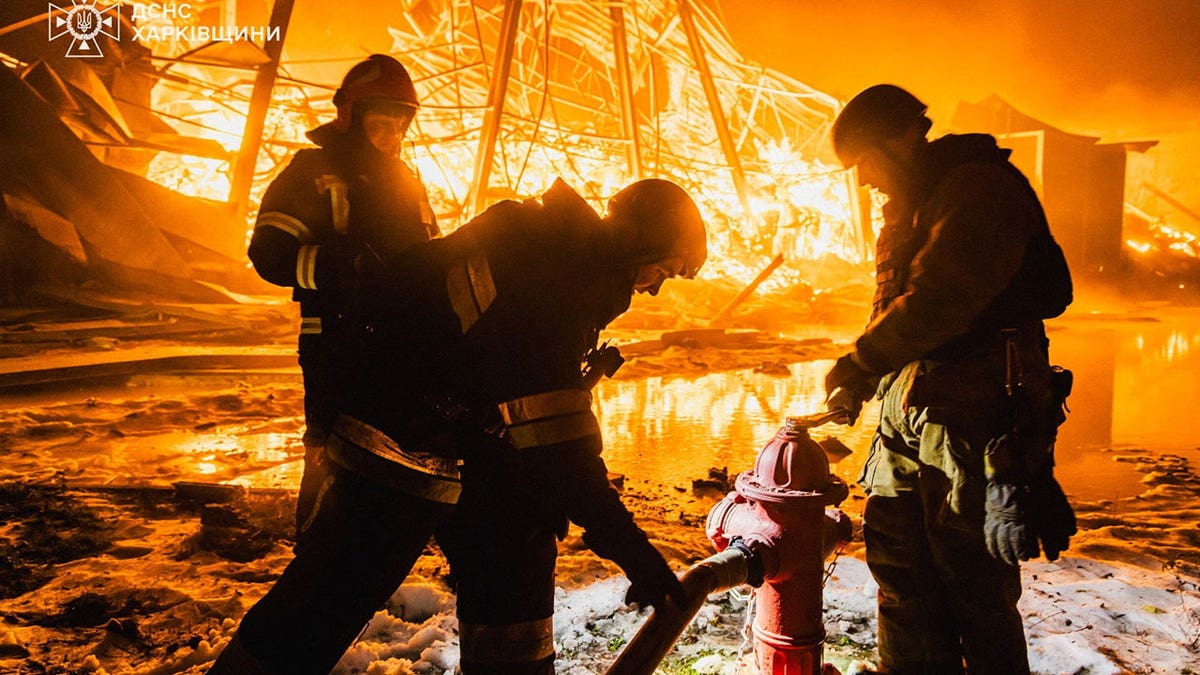
Firefighters work at the site of a private company hit by a nighttime Russian missile attack during the Russian attack on Ukraine in Kharkiv, Ukraine, January 30, 2026. (Reuters)
Despite the pause, Russian lawmakers and regional leaders have publicly urged escalation. Russian parliament speaker Vyacheslav Volodin said deputies were calling for the use of more powerful “weapons of retaliation,” while Chechen leader Ramzan Kadyrov said he opposed negotiations altogether.
Vice Adm. Robert S. Harward, a retired Navy SEAL and deputy commander of U.S. Central Command, said the halt to the strikes reflects a political signal rather than a military shift.
Putin calls Trump’s peace plan a ‘starting point’ as he warns Ukraine to withdraw or face ‘force’
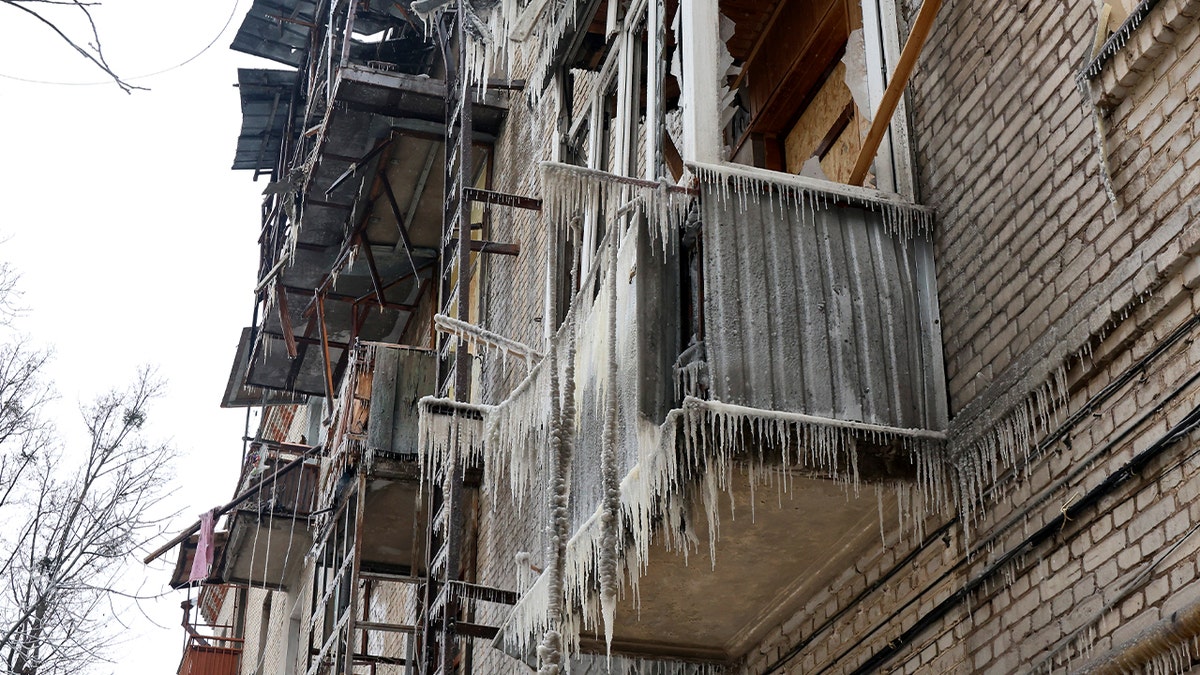
Icicles hang from the balconies of an apartment building damaged by a drone strike in Kharkiv, Ukraine, January 24, 2026. (Viacheslav Madiievskyi/Ukrinform/NurPhoto via Getty Images)
Carrie Filipetti, executive director of the Vandenberg Coalition and a former senior State Department and U.S. Mission to the U.N. official, said the Russian agreement should not be misinterpreted as a step toward peace.
“While I am sure that Ukrainian citizens welcome any short break, they are also not holding their breath because Putin’s war machine will not stop until his calculation about the risks of continuing his war is changed,” Filipetti said.
TRUMP PRAISES ‘GREAT PROGRESS,’ BUT SAYS HE WILL MEET PUTIN AND ZELENSKYY ‘ONLY WHEN’ THE PEACE DEAL IS FINAL

This photo, taken on January 23, 2024, shows graves, most of which are victims killed during last year’s Russian attack on a shop and cafe in the village of Groza, at the cemetery in Groza, Kharkov region, amid the Russian invasion of Ukraine. (Roman Pilipey/AFP via Getty Images)
She added that the short duration of the pause exposes Ukraine.
“Given how short the pause is and Russia’s duplicity in saying it has agreed to a weeklong pause that expires in two days, this does not materially change battlefield conditions,” she said.
Harward said Ukraine could face diplomatic fallout once the pause ends.
“The risk for Ukraine is that this further weakens and isolates their role and position in the negotiations,” he said.
Zelensky has also warned that Ukraine’s ability to defend civilians is under pressure due to delays in Western financing. He said European allies have delayed payments under the PURL arms purchase program, leaving Ukraine without Patriot air defense missiles ahead of recent Russian strikes that knocked out power in parts of Kiev.
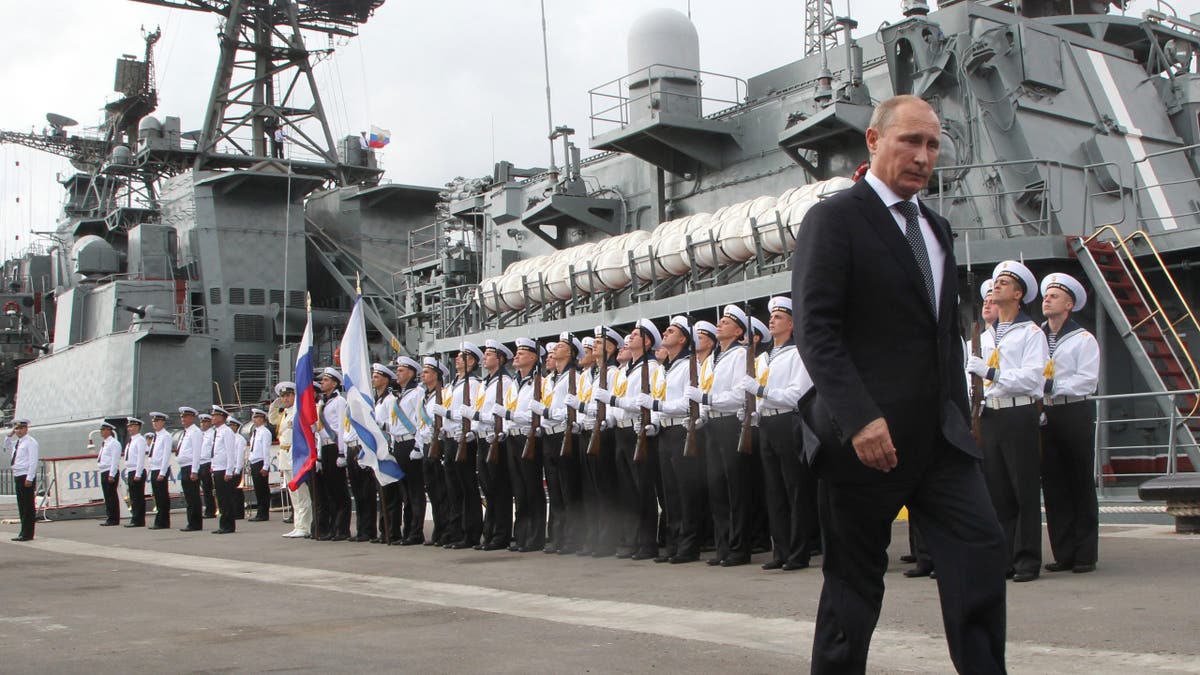
Russian President Vladimir Putin visits the destroyer Vice Admiral Kulakov at the Black Sea Fleet naval base, September 23, 2014, in Novorossiysk, Russia. (Sasha Mordovets/Getty Images)
“This is a crucial issue for the protection of citizens, Ukrainian cities and Ukraine’s energy infrastructure during the brutally cold winter months,” Filipetti said. “As President Zelensky has said, there will be no electricity and therefore no heat for civilians if they do not have enough Patriot missiles to defend themselves against Russia’s ballistic missiles.”
Harward noted that the problem extends beyond Ukraine.
“Air defense is in high demand worldwide given the threats from Russia and China,” he said. “Resources, expenses and the increased time to deliver and deploy the capabilities add to the challenge.”
On whether the pause could open the door to broader de-escalation, both experts expressed caution.
CLICK HERE TO DOWNLOAD THE FOX NEWS APP
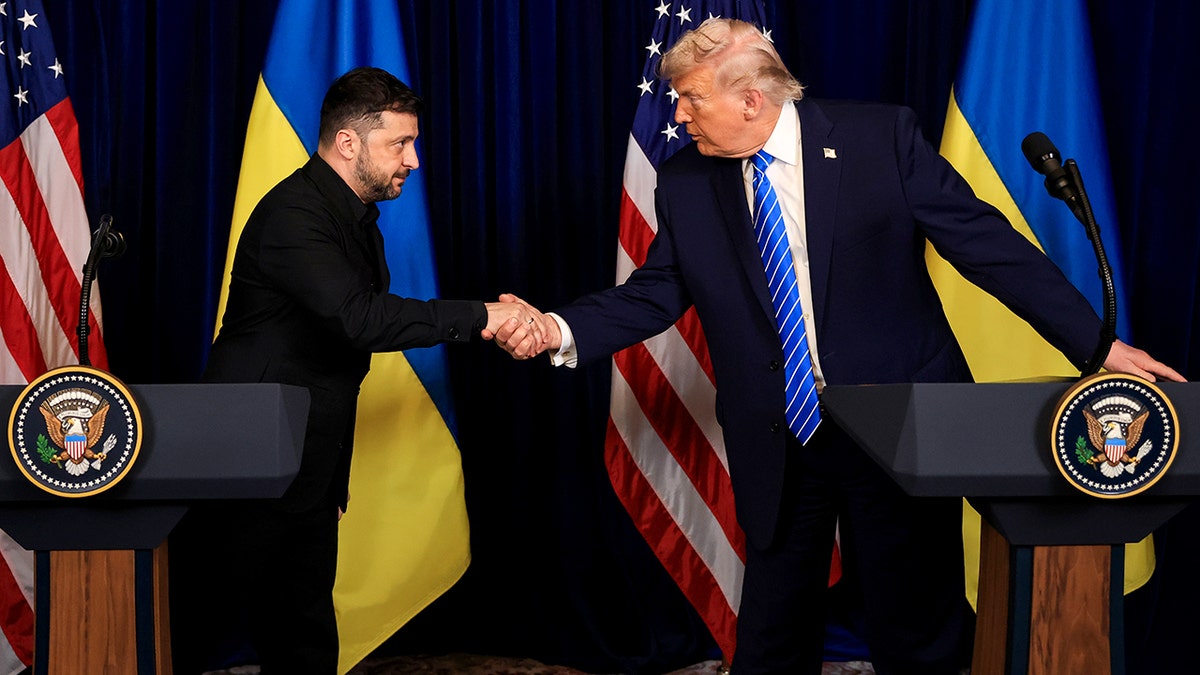
President Donald Trump and Ukrainian President Volodymyr Zelensky shake hands at a press conference after meeting at Trump’s Mar-a-Lago club on December 28, 2025 in Palm Beach, Florida. (Joe Raedle/Getty Images)
“This tactical pause only serves to strengthen Russia’s negotiating position,” Harward said. ‘Putin shows it to the world that he is willing to listen and respond. In return, he will want more support for his position and demands.”
“Only time will tell,” Filipetti said. “Diplomacy can always seem fruitless until there is a real deal. If this brief pause, caused by President Trump’s continued involvement and pressure on Putin, can be used to make additional progress in the trilateral talks, it would be a very positive outcome.”
Reuters contributed to this report.
