



After six weeks of walking from New York City on my Walk Across America, I have arrived in Baltimore. This city is one of contrasts. On the one hand you have the beautiful Inner Harbor with its shops and eateries; on the other, the townhomes of Sandtown-Winchester and the public housing towers of East Baltimore.
The same despair I fight on the South Side of Chicago is here: families trapped in a system that profits from their pain. Walk through the streets and it is clear that someone is getting rich from the poor. There are numerous grants, programs and press conferences available. But where is the transformation? I didn’t see much.
If the system thrives and profits from its brokenness, who is really there for those trapped within it? This is how the poverty-industrial complex works, and it’s time we dismantle it so individuals can climb the ladders of opportunity.
The numbers speak to us all. Baltimore’s poverty rate remained at 20.2% in 2023 — more than double Maryland’s 9.5%, according to the U.S. Census. It has barely fallen from 24.3% in 2010. Child poverty in the 6 to 17 age group was 28% last year.
Yet the money continues to flow in.
MacKenzie Scott donated $10 million to five nonprofits. The Baltimore Children and Youth Fund manages $15 million to $20 million annually and redistributes millions to more than 100 nonprofits. The Goldseker Foundation awarded about $10 million to $15 million last year. The Harry and Jeanette Weinberg Foundation distributes up to $10 million annually to dozens of small nonprofits serving low-income families. The Abell Foundation funds small grants of up to $10,000. The Baltimore Community Foundation administers $3 million in annual grants.
This doesn’t even take into account the outsized share of Baltimore’s government pie—from Medicaid to HUD—that is caused by its high poverty rate.
But where is the fruit? In 2018, auditors reportedly caught city officials losing track of millions and in one case forced them to repay HUD 3.7 million after anti-poverty groups failed to account for their spending. In 2025, TIME Organization Inc. – Maryland’s largest nonprofit mental health and homeless services organization – faces inspector general investigations into financial irregularities and possible fines. Too often, these anti-poverty funds fuel overhead costs – from salaries and administration to galas – while what ultimately reaches the poor are crumbs.
I’m in the same fight in Chicago, and I’ve seen what works. It’s not magic. Vocational training produces careers. Faith-based mentoring builds dignity over dependency. Too much money is currently ending up in the wrong pockets.
If poverty is the trap, then Baltimore schools are the trap. They say the system is broken, but I don’t think so. They’ve had years to fix what’s broken. Instead, I believe the sorry state of education here is by design. They create failures, cycles and despair. I’ve reflected on schools with abysmal rankings and prayed with parents begging to escape.
Our children are not data points on anyone’s graph; they are individuals deprived of their birthright as American citizens.
We need new leadership that gives families the freedom to choose the best school for their children. Only the best schools should exist.
The data is heartbreaking. On the 2025 MCAP tests, Baltimore City’s math proficiency rate was 12.6% — up from 10.2% in 2024. It ranked second in Maryland, compared to 26.5 percent statewide. NAEP scores for fourth graders averaged 209 in math, up from 201 in 2022 but down from 222 in 2009.
CLICK HERE FOR MORE FOX NEWS ADVICE
Worse, 23 high schools in the city – almost three-quarters – had no students taking math. At Patterson High, 77% are reading at an elementary level and 71% are doing math at a kindergarten level. Maryland’s $2 billion Blueprint for the Future boost since 2022 increased spending on K-12 education to $14.3 billion — a 16% increase — for a measly 1% graduation increase. Baltimore spends more than $21,000 per student, but its results still rank last across the state.
There is a monopoly on schools thanks to the teachers’ union and other conspiring forces. But there are signs of hope – and they largely stem from school choice. Maryland’s BOOST vouchers helped 3,000 low-income students with $9 million in 2024-25, sending them to responsible charters or private schools. Baltimore is home to 31 of the state’s 49 charters, which offer better attendance and test scores. Nationally, choice increases disadvantaged students by 10% to 20% in reading and math, encouraging competition.
But like I said, the system wants failure to continue in an endless cycle. Maryland’s governor tried to abolish BOOST in 2023, but lawmakers narrowly succeeded.
Problems remain. The Right to Learn Act, intended to help children in one-star schools — about 60% of Baltimore’s students — never got off the ground and is being strangled by those who profit from failure. Yet 74% of Marylanders support school choice.
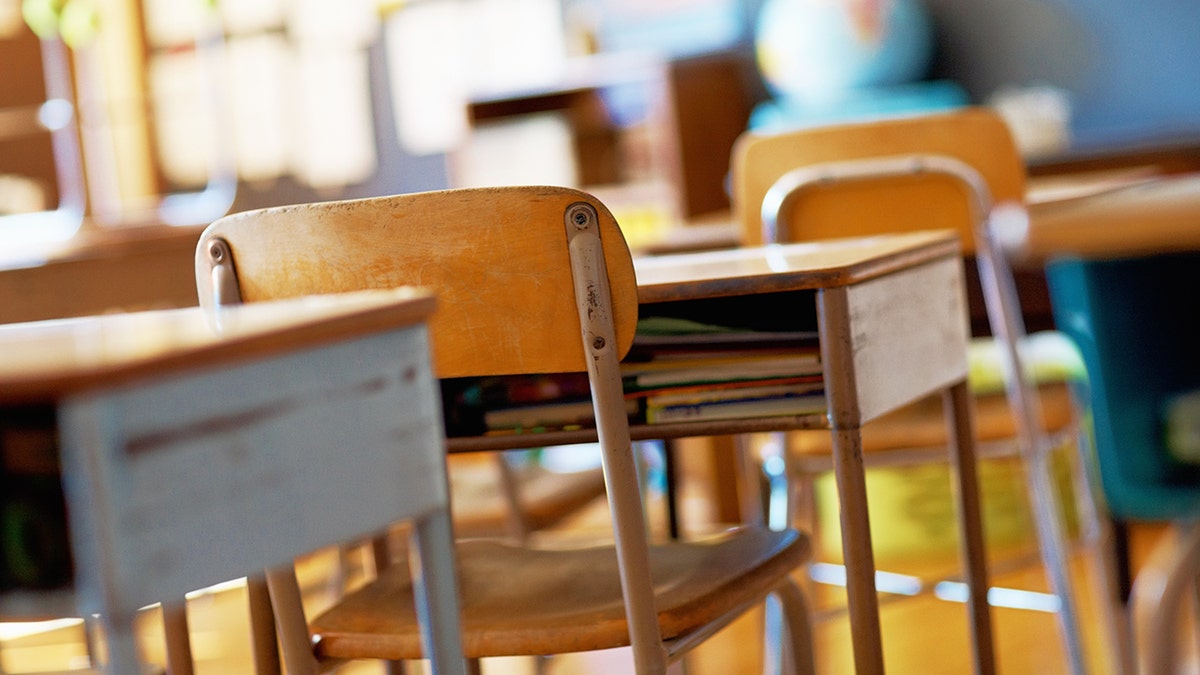
The Right to Learn Act, intended to help children in one-star schools — about 60% of Baltimore’s students — never got off the ground and is being strangled by those who profit from failure. Yet 74% of Marylanders support school choice. (istock)
As I walked along, I met even more families pleading for a way out of this educational prison. They said to me, “Give us options, Pastor.” One of them said it best: ‘We don’t want prisons with poor performance.’
We must link freedom of choice to values in every part of society. We need nothing less than reform in the way we deal with poverty and raise our children. We must start dismantling the poverty machine to create opportunity.
CLICK HERE TO DOWNLOAD THE FOX NEWS APP
Our children are not data points on anyone’s graph; they are individuals deprived of their birthright as American citizens.
What I propose is not magic, but American values. We know the solutions that have worked for countless others – and they will work here, too. We just need to get rid of the enemies of these values and restore merit, faith and opportunity to the city’s core.
That’s the American way reborn.
CLICK HERE TO PASTOR COREY BROOKS
