



New work requirements expand across more states on Sunday for the Supplemental Nutrition Assistance Program, or SNAP, the nation’s largest federal assistance program.
Starting today, adults between the ages of 18 and 64 without dependent children must work, participate in employment and training programs, or volunteer at least 80 hours per month to qualify for SNAP benefits. Those who do not meet the requirement can only receive benefits for three months within a three-year period.
The new requirements expand the work rules to additional groups that were previously exempt, including adults ages 55 to 64 and parents with children age 14 or older. The law also eliminates prior exemptions for veterans, the homeless and those ages 18 to 24 who were in foster care when they turned 18, according to federal guidelines.
The changes stem from provisions of the One Big Beautiful Bill Act, which President Donald Trump signed into law last summer.
TRUMP CONSIDERES SETTLING A HUGE $10 Billion IRS Lawsuit And Donating The Proceeds To Charity
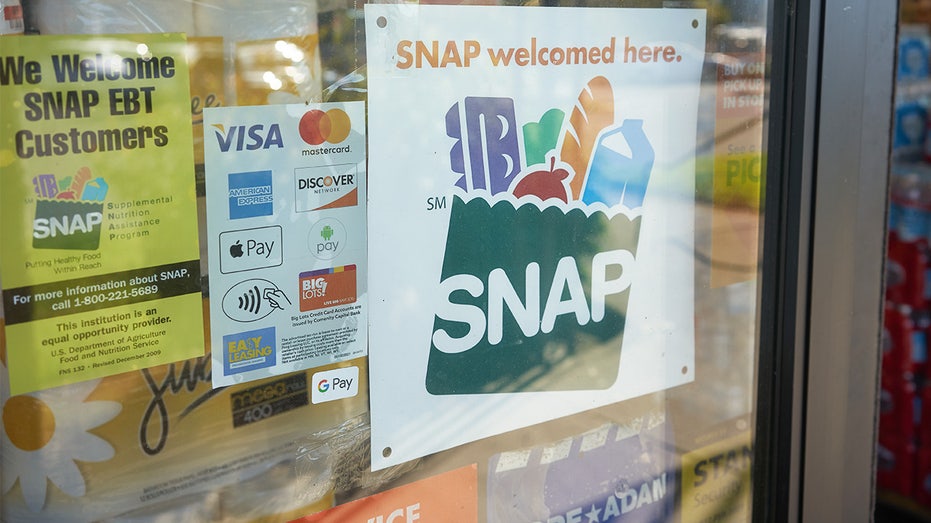
“SNAP Welcomed Here” sign at the entrance of a Big Lots store in Portland, Oregon. (Getty Images)
The Congressional Budget Office (CBO) estimates that the new provisions will reduce SNAP participation by an estimated 2.4 million people over the next decade. About a third of those affected are able-bodied adults aged 18 to 64 without dependent children, while about 300,000 are able-bodied adults in that age range living with children aged 14 or older.
HOW AMERICANS CAN GET A $1,000 BOOST THIS TAX SEASON
In addition to the work requirements, the law also makes broader changes to SNAP that will affect benefit levels for many households, including limits on future benefit increases and changes to how certain living expenses are counted when calculating monthly support, the CBO said. These provisions are expected to result in smaller benefit amounts over time, even for some recipients who remain eligible.

A volunteer displays information about SNAP at a grocery store in Dorchester, Massachusetts, on November 3, 2025. (Mel Musto/Bloomberg via Getty Images)
While a broader expansion comes into effect on Sunday – including in Illinois and Ohio: implementation varies from state to state. Texas, for example, started enforcing the new requirements in October, meaning some recipients there may have already used up their three-month benefit window. For example, in Alaska, Hawaii, Colorado and Georgia, the three-month period started in November, so that time is now expiring.
The law provides flexibility for areas with high unemployment. Counties with an unemployment rate above 10% may qualify for waivers, while Alaska and Hawaii can suspend work requirements if unemployment reaches 1.5 times the national average.
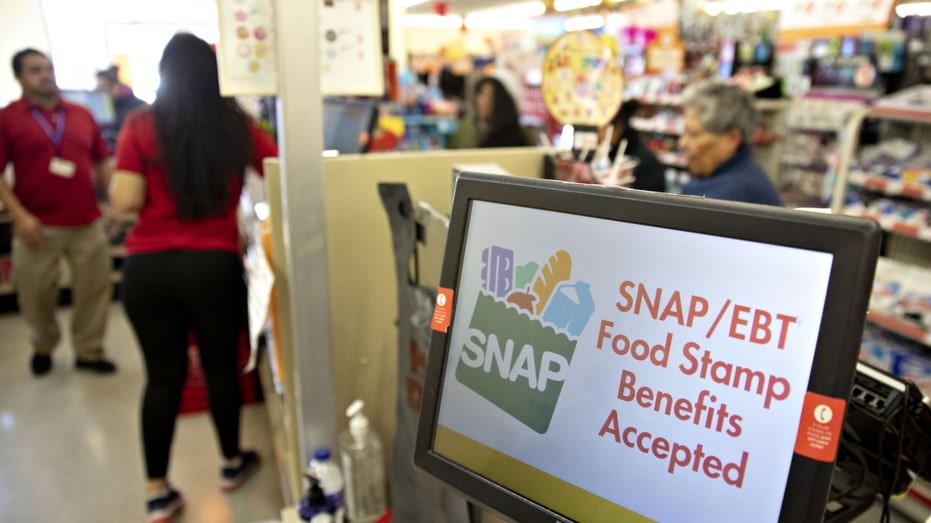
“SNAP/EBT Food Stamp Benefits Accepted” appears on a screen at a Family Dollar store in Chicago on March 3, 2020. (Daniel Acker/Bloomberg via Getty Images)
The CBO has also warned that additional changes in the law could prompt states to adjust or scale back their SNAP programs in coming years, as states will be required to cover a greater share of administrative costs and benefits under certain conditions.
CLICK HERE TO GET FOX BUSINESS ON THE GO
Nearly 42 million Americans currently receive SNAP benefits. According to the Center on Budget and Policy Priorities, more than 80% of SNAP households have gross incomes at or below the federal poverty level.
