



As the smoke continued to clear over Tehran, one question prevailed both in the region and in Washington: Did they get him?
In the immediate aftermath of the Israeli-American strikes, in which the Israeli Air Force targeted the infrastructure of senior Iranian leadership, rumors circulated that Ayatollah Ali Khamenei, Iran’s 86-year-old supreme leader, had been assassinated.
Satellite images showed heavy damage to Ayatollah Ali Khamenei’s fortified compound, including buildings believed to house his residence and the so-called House of Leadership. Parts of the complex appeared to have been reduced to rubble.
Regional reports indicated that a high-level meeting of Khamenei’s top lieutenants may have been underway when the attack struck. Iranian semi-official media also reported that rockets struck near the presidential palace and other leadership sites north of the capital.
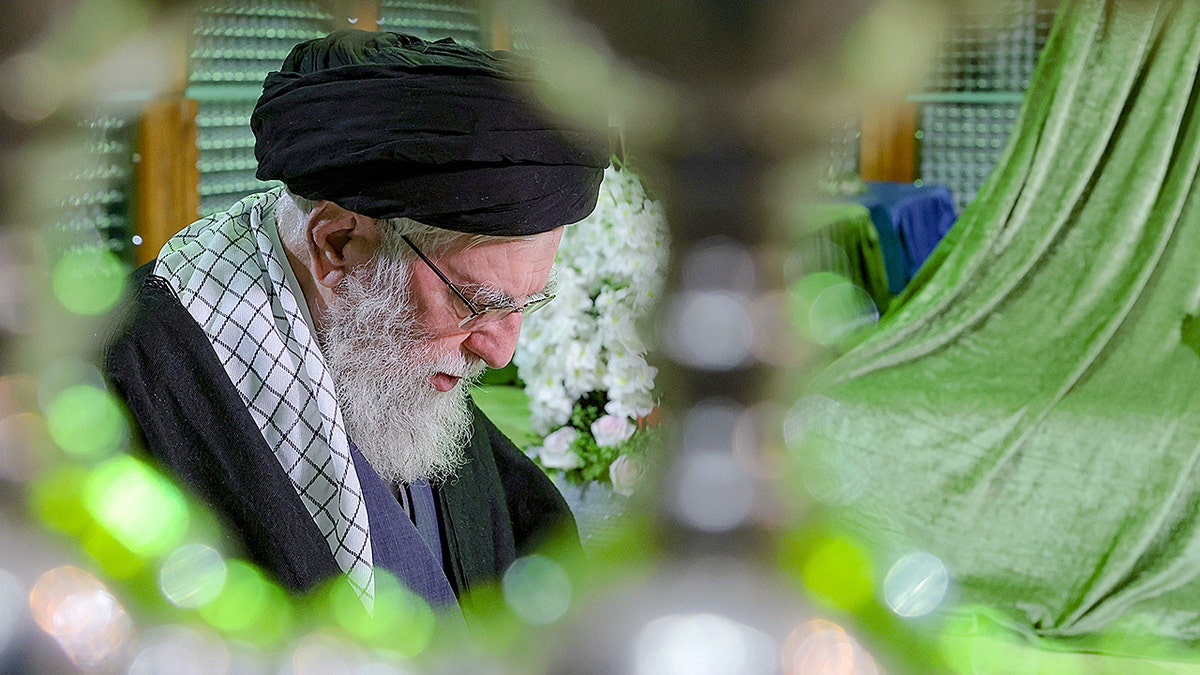
Iranian Supreme Leader Khamenei appears in public for the first time in weeks with new American threats. (Office of the Iranian Supreme Leader Credit/ASSOCIATED PRESS)
However, Iranian officials insisted that the country’s leaders – including Khamenei and President Masoud Pezeshkian – remained safe despite what they described as an assassination attempt, according to The Guardian. Meanwhile, an Iranian Foreign Ministry spokesperson told the BBC that he was not in a position to confirm whether Ayatollah Ali Khamenei had been eliminated.
IRAN Fires Missiles at US Bases in the Mideast After US Strikes on Nuclear and IRGC Sites
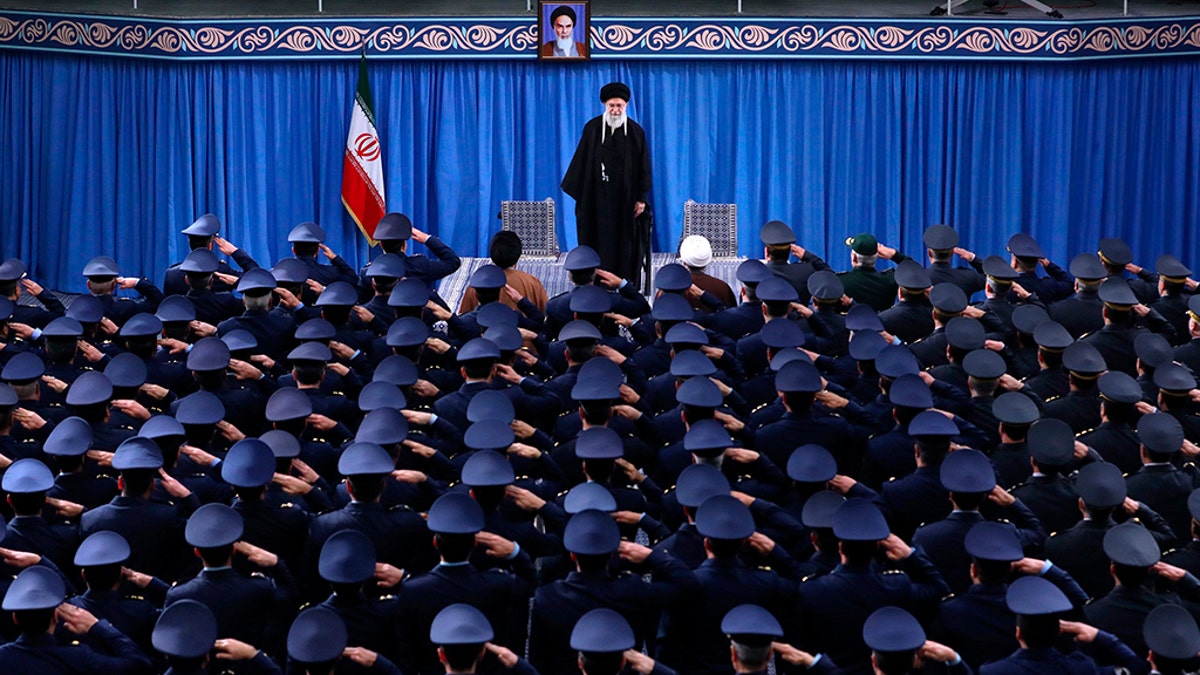
In this photo released by an official website of the Iranian Supreme Leader’s office, Supreme Leader Ayatollah Ali Khamenei stands as Army Air Force personnel salute at the start of their rally in Tehran, Iran, on Friday, February 8, 2019. Khamenei defends “Death to America” chants that are standard at anti-American rallies across Iran, but says the chant is aimed at US leaders and not the people of America. (Office of the Iranian Supreme Leader via AP)
The long-serving cleric has survived decades of internal unrest, assassination plots and foreign pressure. He rarely appears in public without security and is believed to operate through a tightly controlled network of loyalists embedded in Iran’s military, intelligence and political institutions.
IRAN MAY ‘ACTIVATE’ HEZBOLLAH IF US DOES REGIME, TRUMP’S INNER CIRCLE TO DECIDE: EXPERT
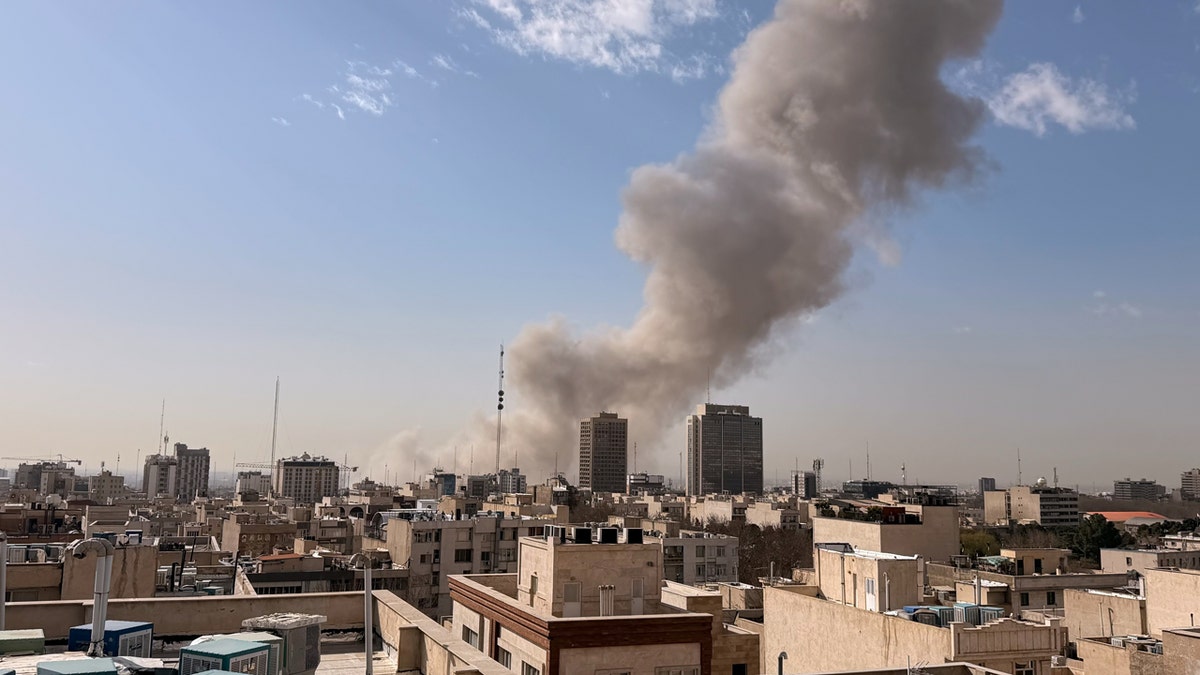
Smoke rises from the skyline after an explosion in Tehran, Iran, Saturday, February 28, 2026. (AP Photo/Vahid Salemi)
Even if Khamenei himself were ousted, Aarabi warned, the institutional machinery he had built – with some 4,000 core personnel and a wider network of tens of thousands – could continue to function.
“Even if he is eliminated, the Bayt as an institution ensures that the Supreme Leader can function,” Aarabi said. “Consider the Supreme Leader as an institution and not just as a single individual.”
That reality complicates the picture.
For decades, Khamenei has positioned himself not only as a political leader, but also as the apex of a system designed to survive shocks — whether protests at home or military pressure abroad.
The 86-year-old cleric has faced repeated waves of unrest, including mass protests in 2009, 2022 and again in early 2026. Each time, his regime has acted forcefully, consolidating control rather than disintegrating.
He has also endured years of covert operations, cyber campaigns and targeted attacks against key Iranian figures across the region.
Yet the scale of the latest strike appears unprecedented.
If Khamenei’s assassination is confirmed, it would be the most significant beheading of Iran’s leadership since the 1979 revolution. It would also raise immediate questions about succession within a system he carefully designed to avoid sudden collapse.
CLICK HERE TO DOWNLOAD THE FOX NEWS APP
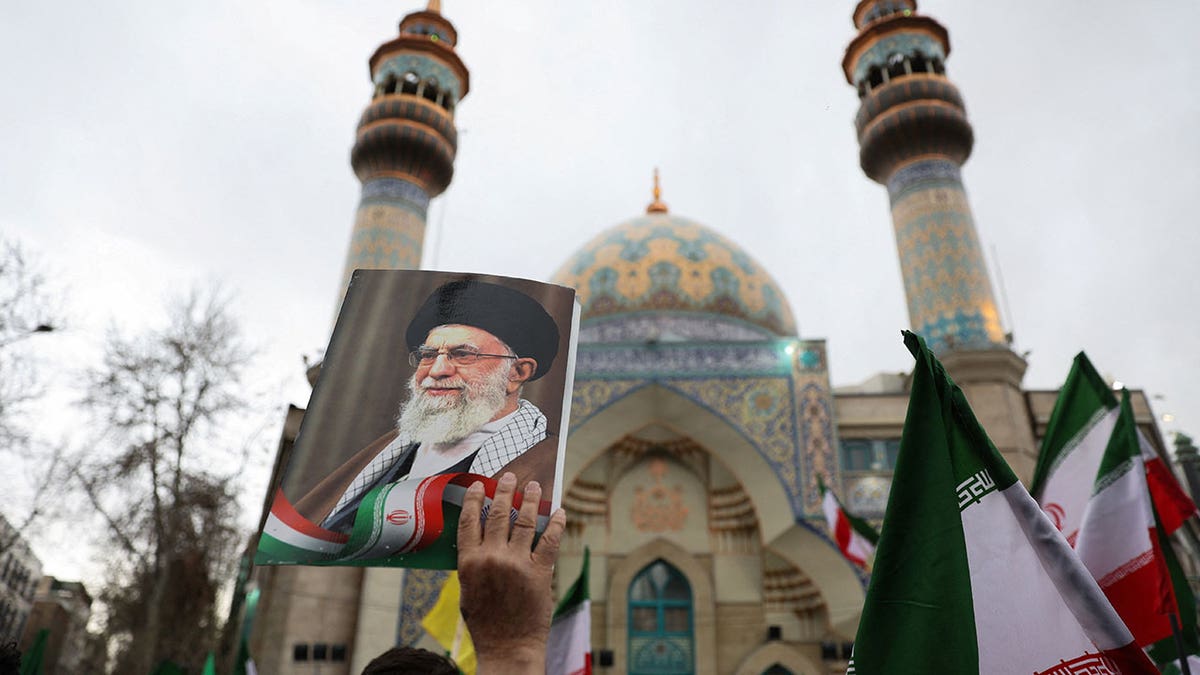
A person holds an image of Iranian Supreme Leader Ayatollah Ali Khamenei as Iranian demonstrators protest the US-Israeli attacks in Tehran, Iran, February 28, 2026. (Majid Asgaripour/WANA (West Asia News Agency) via Reuters)
If he were to survive, it would cement his reputation for resilience — and underline how difficult it is to eliminate the core of Iran’s power structure.
For now, officials say the assessments are still ongoing and the question could be answered in the very near future.
Related article

