



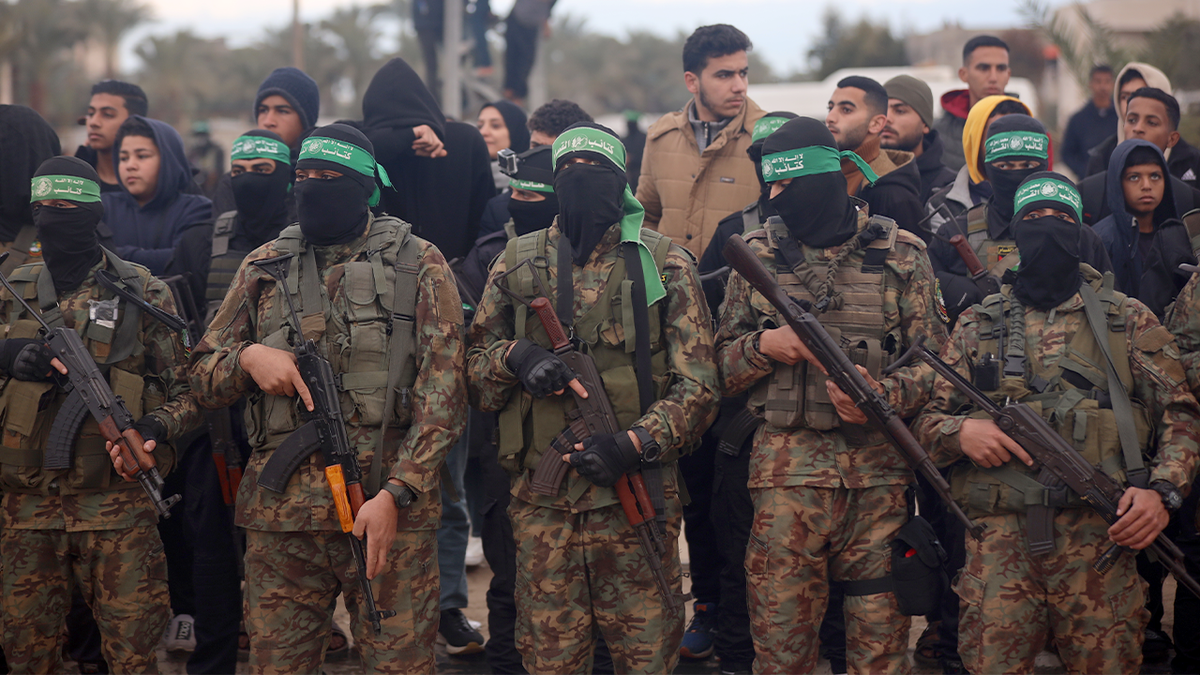
As the war with Iran dominates the region’s attention, Hamas is quietly reasserting control in Gaza, according to videos and photos circulating on social media. An Israeli analyst and a political commentator in Gaza say the developments raise new doubts about whether post-war plans for the enclave can move forward in the short term.
Michael Milshtein, a senior analyst at Tel Aviv University’s Dayan Center, said Hamas has used the past two and a half weeks not only to rehabilitate militarily but also to project visible control in public life.
“They are really making good use of it to establish their power in the public sphere, and not just for military rehabilitation,” Milshtein said, describing new recruits, police deployments and even parades in central Gaza. “Hamas is here to stay.”
TRUMP LAUNCHES PHASE 2 OF GAZA PEACE PLAN – BUT HAMAS DISARMAMENT REMAINS THE REAL TEST
Hamas terrorists stand in formation as Palestinians gather in the streets to watch the handover of three Israeli hostages to a Red Cross team in Deir el-Balah, central Gaza, on February 8, 2025. (Majdi Fathi/NurPhoto via Getty Images)
He said Gaza residents have reported that Hamas is also rebuilding its governing machinery. “Their police are everywhere,” he said. “They are also working on improving their tax system.” During Ramadan, he added, Hamas personnel controlled markets and mosques and “began building education systems.”
Mkhaimar Abusada, a Gaza political analyst, agrees that momentum around post-war Gaza planning has largely stalled since the war in Iran escalated.
“Yes, Hamas has taken advantage of the current situation,” Abusada said. “They are no longer under the pressure they were before.”
Both analysts pointed to the same broad dynamic: As attention shifted to Iran, pressure on Hamas decreased.
Abusada said that before the war there had been what he described as serious discussions about disarmament, the deployment of an international force and Gaza’s political future. But “the enthusiasm that preceded the war has waned,” he said, adding that Gaza has been put on the back burner.
“When I talk to Palestinians, they say to me, ‘Listen, we’re actually waiting for the day after the war,’” Milshtein said. He said some expect Netanyahu “will owe Trump a lot because of the war in Iran, and that he will have to accept whatever diktats he has regarding Gaza.”
US SEEKS UN AUTHORIZATION FOR GAZA INTERNATIONAL FORCE TO LAST UNTIL 2027 UNDER TRUMP PLAN
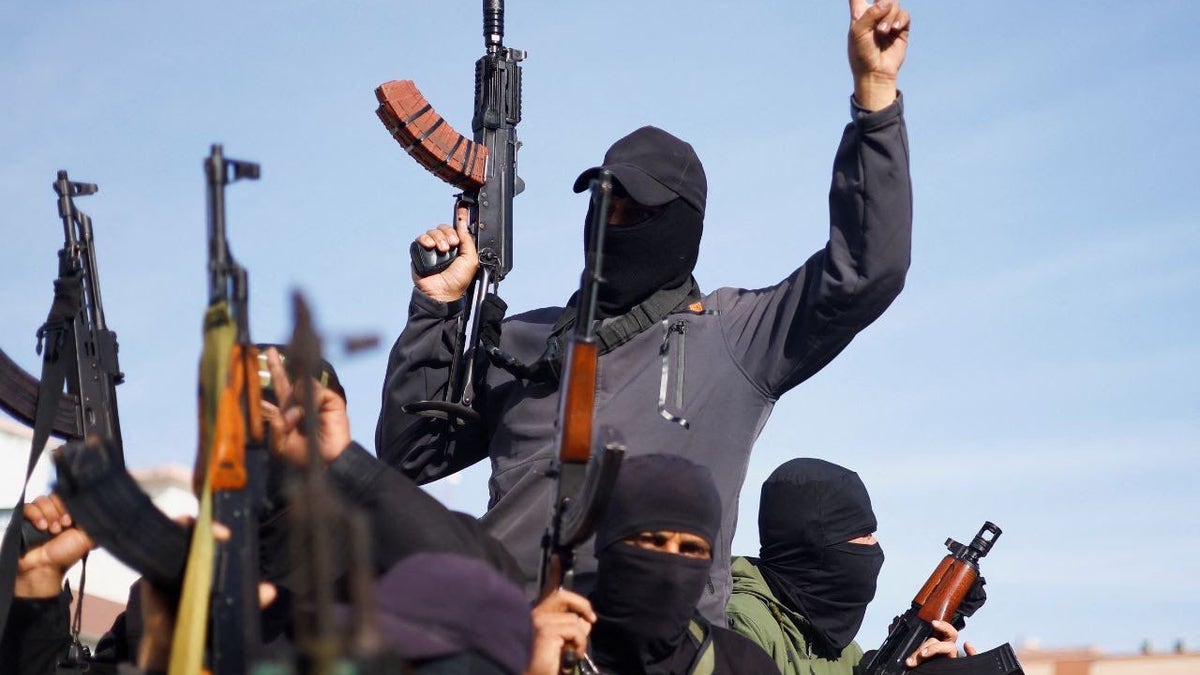
Terrorists in the city of Deir al-Balah in central Gaza celebrate the ceasefire on January 19, 2025. (TPS-IL)
Central to that conversation is the prospect of an international stabilization force entering Gaza. But both men suggested that Hamas may not see such power as a threat.
Abusada said Hamas has “welcomed the deployment” of such a force and appears to see it as “containing the Israeli army” rather than coming in “to disarm the group.” He said the possibility of troops from countries like Indonesia could make such a deployment seem less threatening to Hamas, which could see it as a buffer against continued Israeli military operations.
Milshtein took that argument further, saying that Hamas sees the model less as a peacekeeping mission than as a version of the Hezbollah-UNIFIL arrangement in Lebanon.
“Hamas says, ‘I have no problem, it will be like UNIFIL in Lebanon,’” Milshtein said. “Don’t even dream of chasing us, taking our weapons and entering the tunnels. You must also protect us from Israel.’
CLICK HERE TO DOWNLOAD THE FOX NEWS APP
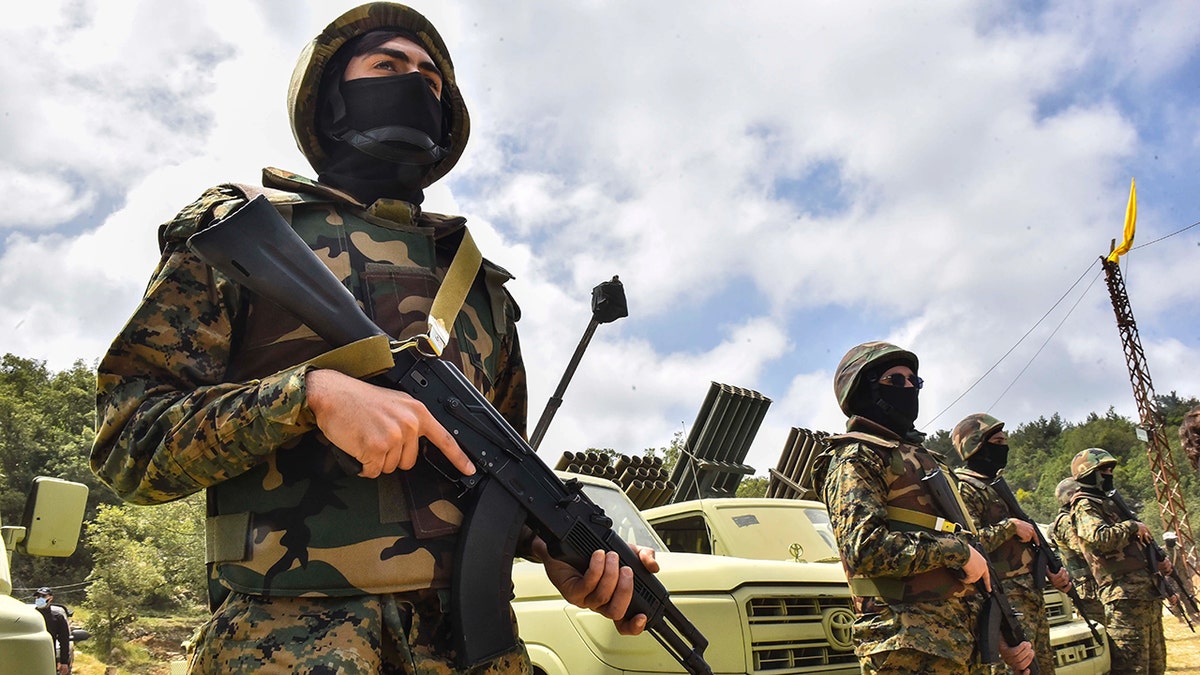
Hezbollah terrorists take part in cross-border raids, part of a large-scale military exercise, in Aaramta, bordering Israel, on May 21, 2023, ahead of the anniversary of Israel’s withdrawal from southern Lebanon in 2000. (Fadel Itani/NurPhoto via Getty Images)
Abusada said the next phase depends heavily on how the war in Iran ends. If the Iranian regime survives and avoids collapse, Hamas will take encouragement from that outcome, he said.
“If Iran is not defeated, if the Iranian regime does not collapse, it will be a form of moral support for Hamas,” he said.
