



This story on the March 2026 CPI inflation report is developing and will be updated with further details.
Inflation rose in March, when consumer prices rose due to the economic disruptions caused by the impact of the war in Iran on the energy market.
The Bureau of Labor Statistics said Friday consumer price index (CPI) – a broad measure of the cost of everyday goods such as gasoline, groceries and rent – rose 0.9% from a month ago and is 3.3% higher than last year. The annual rate rose from last month’s 2.4%, while the monthly increase also rose significantly from last month’s 0.3%.
Expectations versus reality
Both the monthly increase of 0.9% and the annual increase of 3.3% were in line with the expectations of economists surveyed by LSEG.
So-called core prices, which exclude volatile measures of gasoline and food to better assess price growth trends, rose 0.2% month-on-month and 2.6% from a year ago. Both figures were slightly cooler than economists’ forecasts of 0.3% and 2.7% respectively.
Core CPI figures were slightly higher than February, showing prices rising 0.2% and 2.5% on a monthly basis compared to the previous year.
Economists have noted that inflation data from December 2025 through April 2026 will be affected by data collection disruptions caused by last fall’s 43-day government shutdown.
During the shutdown, the BLS was unable to collect data and used a carry-forward methodology to compensate for the lack of an October CPI report and missing data in the November report. Economists say this will likely cause a downward impact on inflation rates until this spring, when new data will negate the discrepancy.
The distribution of the costs of living
High inflation in recent years has put severe financial strain on most American households, who are forced to pay more for daily necessities such as food and rent. Price increases are especially difficult for lower-income Americans, because they tend to spend more of their already tight paychecks on necessities and have less flexibility to save.
Food prices remained stable on a monthly basis in March, rising 2.7% from a year ago. The index for eating at home fell 0.2% this month and is up 1.9% over the past year, while the index for eating away from home is 3.8% higher than a year ago, after rising 0.2% month-on-month.
Prices for meat, poultry and fish fell 0.5% this month, but remain 5.6% higher than a year ago. Beef prices fell by 0.6% in March and are 12.1% higher than last year. Egg prices continued to fall after an outbreak of bird flu affected supply. Prices fell by 3.4% and 44.7% this month compared to a year ago. The fruit and vegetable index rose by 1% in March and is up 4% year-on-year.
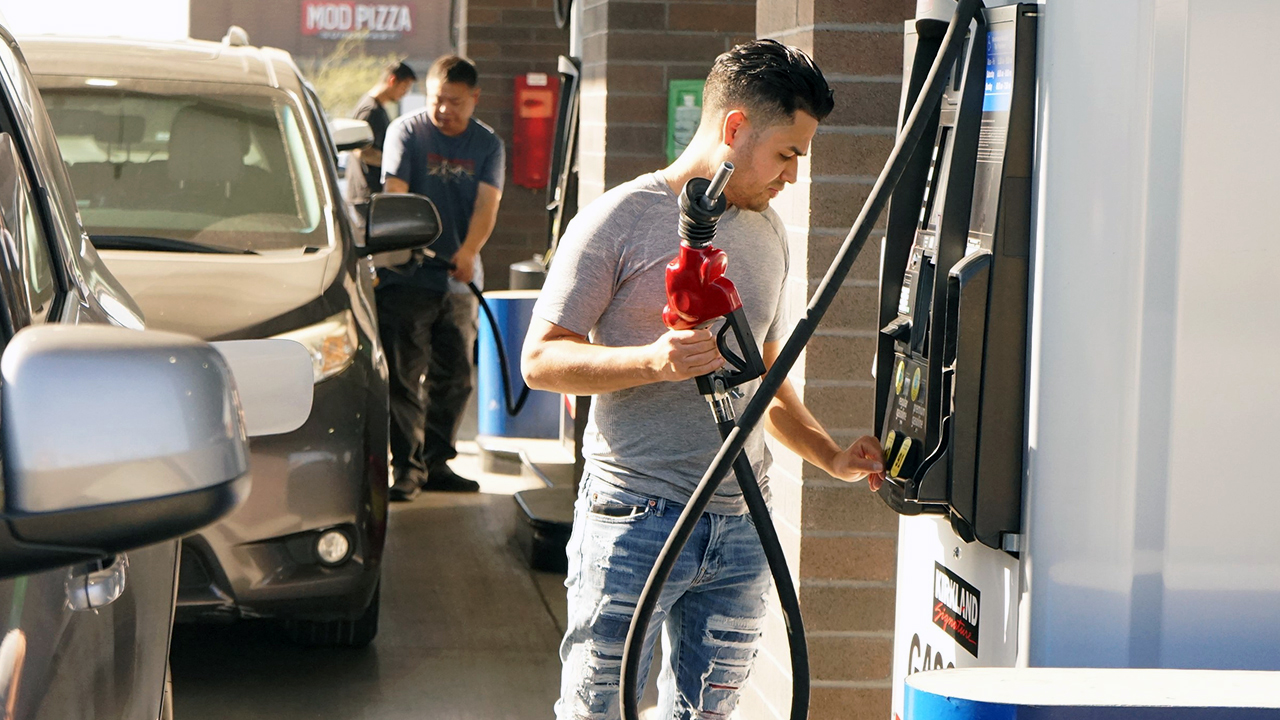
Energy prices rose 10.9% in March due to the disruption of oil supplies in the Middle East due to the war in Iran, with prices rising 12.5% over the past year. The BLS noted that energy accounted for nearly three-quarters of the total monthly CPI increase.
Gasoline prices rose 21.2% in March and are up 18.9% from a year ago. Gas prices fell 0.9% month-on-month and increased 6.4% from a year ago. Electricity costs rose by 0.8% in March and by 4.6% last year.
House prices rose 0.3% in March and have risen 3% in the past year. The costs for renters and home contents insurance increased by 0.9% this month and are 7.4% higher than a year ago.
Prices for transportation services rose 0.6% and 4.1% this month compared to a year ago. Motor vehicle maintenance and repair costs increased by 1.3% month-on-month and 6.1% year-on-year. Car insurance prices remained stable in March and increased by 0.8% compared to a year ago. Airfares rose by 2.7% in March and are 14.9% higher than last year.
