



UN High Commissioner for Human Rights Volker Türk on Tuesday accused the Iranian regime of dramatically intensifying a crackdown on dissent in the wake of the February conflict, warning that Tehran has carried out executions, mass arrests, torture and one of the world’s longest internet shutdowns while citing national security concerns.
In a sharply worded statement from Geneva, Türk said at least 21 people had been executed and more than 4,000 arrested on national security-related charges since February 28, as the regime faces mounting criticism for what he described as a sweeping attack on fundamental rights.
“I am shocked that, on top of the already serious consequences of the conflict, the rights of the Iranian people continue to be harshly and ruthlessly deprived by the authorities,” Türk said.
CAN NARGES MOHAMMADI HONOR IRAN’S OPPOSITION? HUSBAND SAYS PRISONER NOBEL LAUREATE IS STILL FIGHTING
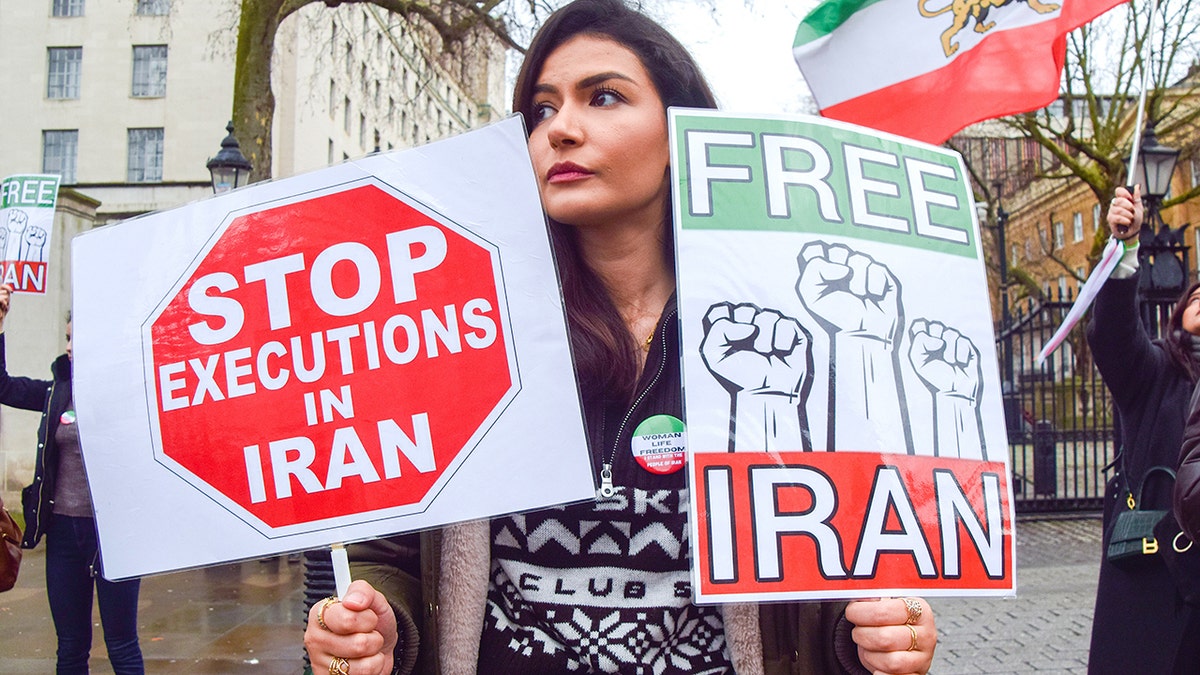
A demonstrator holds signs reading ‘Stop executions in Iran’ and ‘Liberate Iran’ during the demonstration. Demonstrators gathered outside Downing Street to protest executions in Iran and in support of freedom for Iran. (Vuk Valcic/SOPA Images/LightRocket via Getty Images)
Since the conflict began two months ago, the UN said nine people have been executed in connection with the January 2026 protests, 10 for alleged membership of opposition groups and two on espionage charges. It is estimated that some 40,000 people were killed by regime forces during the January uprising.
Türk warned that Iran’s broad use of vaguely defined national security laws has allowed authorities to speed up prosecutions, refuse legal advice and rely on coerced confessions.
“Even if national security is invoked, human rights can only be restricted if strictly necessary and proportionate,” he said, calling on Tehran to halt executions, impose a moratorium on the death penalty and immediately release those arbitrarily captured.
For many Iranian dissidents, the findings reflect an already dire reality.
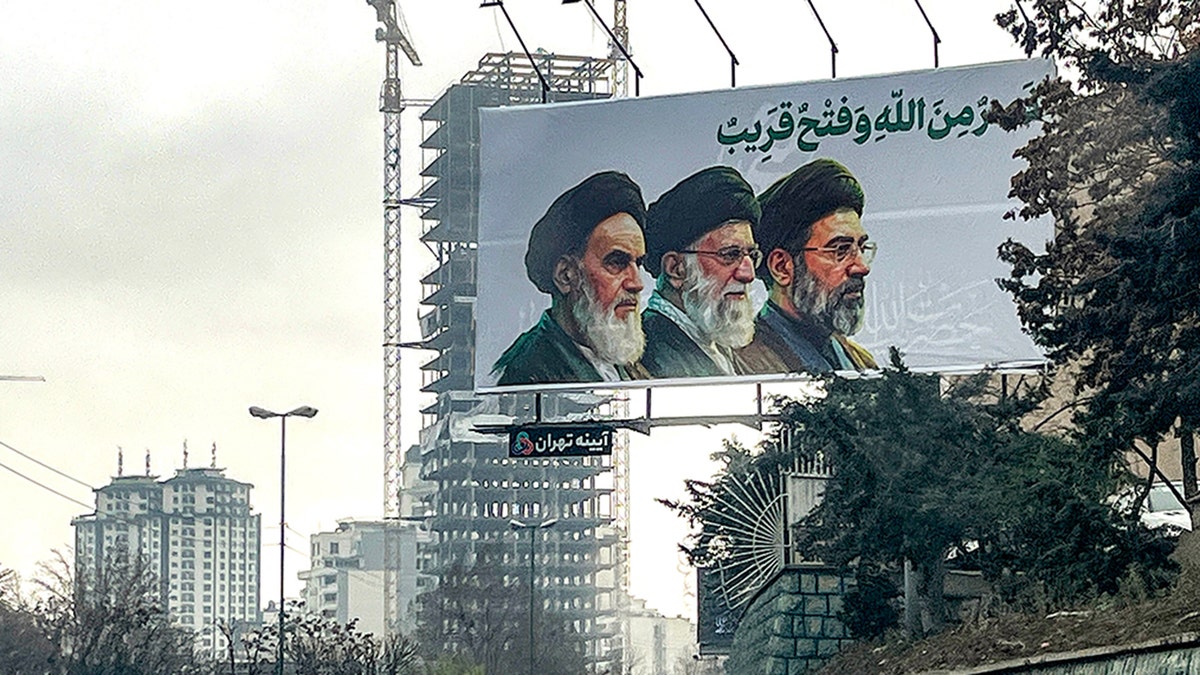
A billboard depicting Iran’s supreme leaders since 1979: (from left to right) Ayatollahs Ruhollah Khomeini (until 1989), Ali Khamenei (until 2026) and Mojtaba Khamenei (incumbent) is shown above a highway in Tehran on March 10, 2026. Iran marked the appointment of Ayatollah Mojtaba Khamenei in March to replace his father as supreme leader. 9, 2026. (AFP/via Getty Images)
Türk’s office said detainees have reportedly faced enforced disappearances, torture, mock executions and televised confessions, with ethnic and religious minorities including Baha’is, Zoroastrians, Kurds and Baluch Iranians at particular risk.
RUBIO WITHDRAWS TRAVEL RIGHTS OF Iranian OFFICIALS OVER DEADLY PROTEST CRACKDOWN, THOUSANDS DEAD
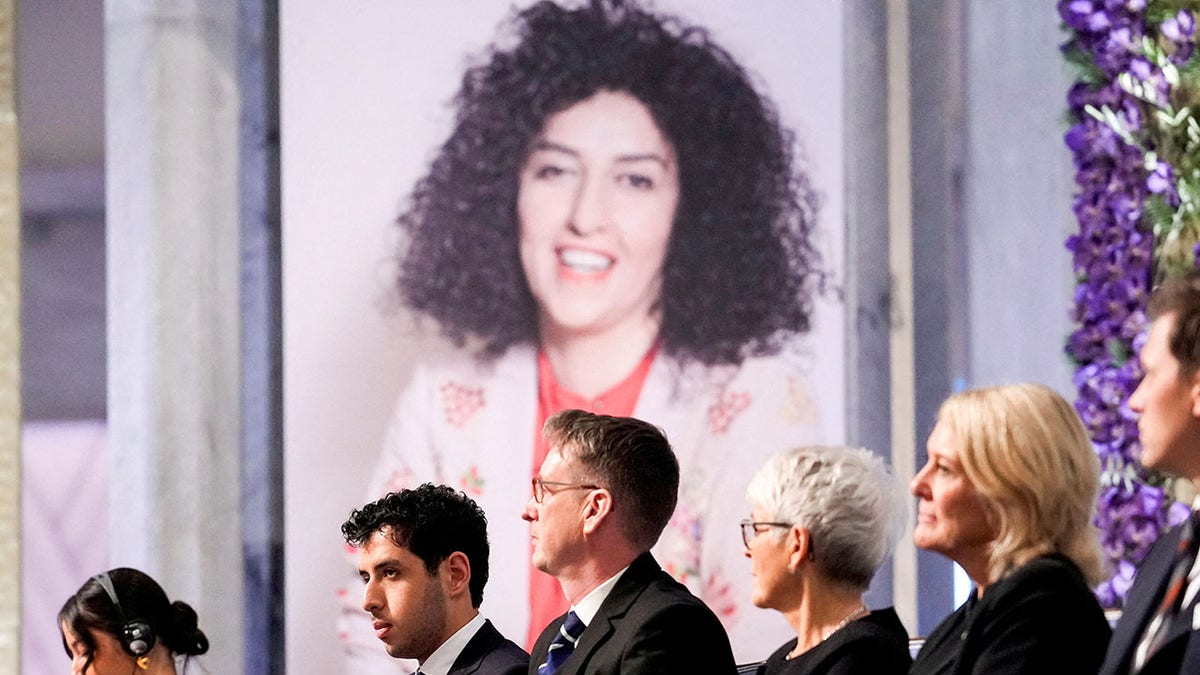
Ali and Kiana Rahmani accept the 2023 Nobel Peace Prize on behalf of their mother, imprisoned Iranian human rights activist Narges Mohammadi, at Oslo City Hall in Norway on December 10, 2023. (Javad Parsa/NTB/Reuters)
Among those named by the UN is jailed Nobel Peace Prize laureate Narges Mohammadi, whose condition deteriorated sharply on Friday after what her family described as a catastrophic health crisis after she was denied specialized care for months.
According to a statement from the Narges Foundation released on Friday, Mohammadi was rushed by ambulance from Zanjan Prison to a hospital after suffering two episodes of complete loss of consciousness in one day, accompanied by serious heart problems. The foundation said prison doctors determined her condition could no longer be treated on site after what her family called a “last-minute” transfer that may have come dangerously late.
Rahmani previously said Mohammadi’s medical team and outside specialists had pushed for treatment in Tehran because of her history of multiple heart procedures, while authorities allegedly blocked those recommendations until her condition became life-threatening. Despite her physical decline, Rahmani said, “Spiritually and mentally, Narges remains steadfast.”
IRAN’S KHAMENEI lashes out at protesters as nationwide anti-regime unrest grows
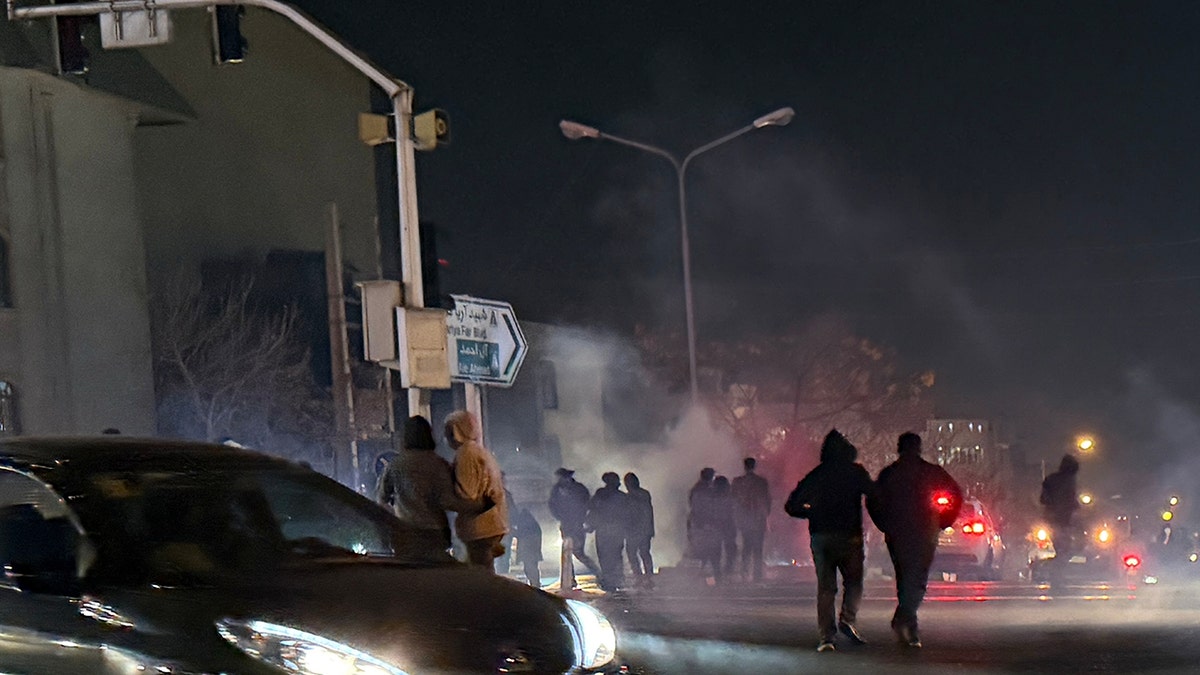
In this photo obtained by The Associated Press, tear gas is fired during an anti-government protest in Tehran, Iran, Thursday, Jan. 8, 2026. (UGC via AP) (UGC via AP)
The UN statement, combined with Mohammadi’s emergency hospitalization, has intensified investigations into conditions in Iranian prisons, which Türk said were characterized by overcrowding, medical neglect and serious human rights violations.
Türk also cited dire prison conditions, including overcrowding, shortages of food, water and medicine, and denial of medical care.
The UN further highlighted reports of deadly violence in detention centers, including claims that security forces killed at least five prisoners in Chabahar prison following protests over suspended food distribution.
But while dissidents welcomed the U.N.’s unusually strong language, some also wondered whether condemnation without action could meaningfully change the circumstances, especially since Iran was elevated this week to vice chairman of a U.N. nuclear nonproliferation committee.
“The reason why the Iranians just don’t trust the UN, don’t like it and don’t want to know,” Zand said, is what she described as the UN’s repeated failure to “seize the opportunity to respond to the regime and hold their feet to the fire at the right time… with the right amount of pressure.”
CLICK HERE TO DOWNLOAD THE FOX NEWS APP
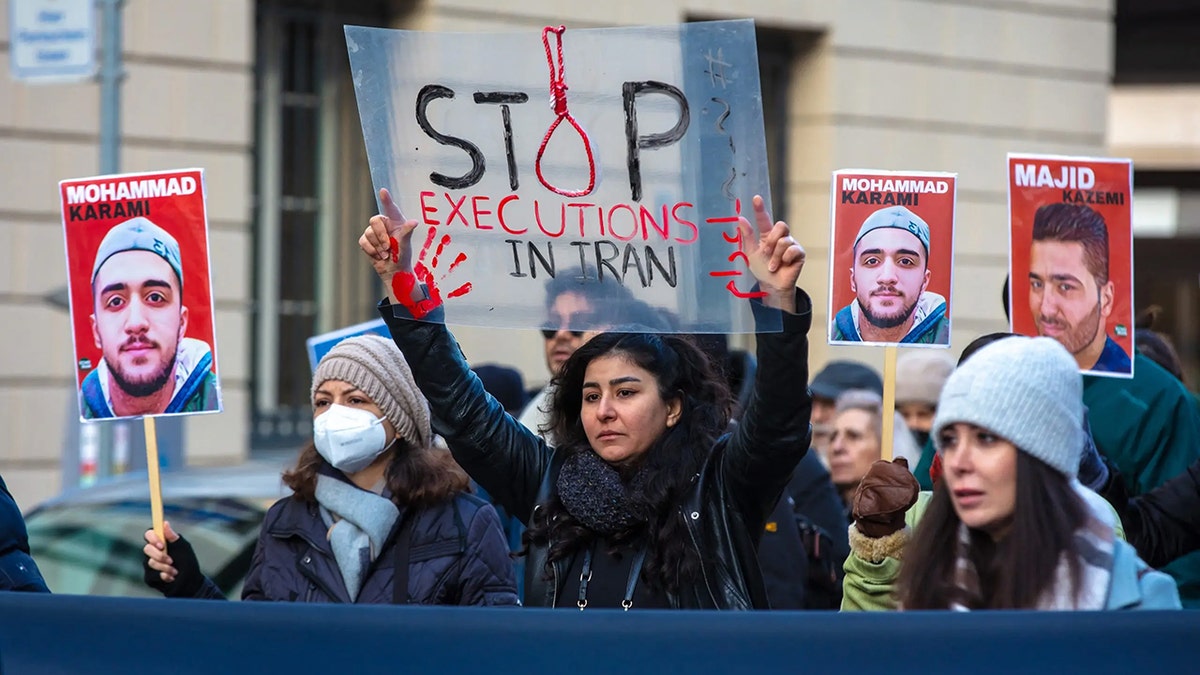
Iranian diaspora activists gathered in front of the German Foreign Ministry in Berlin on January 27, 2024, to protest the increase in death sentences by the Iranian rulers of the Islamic Republic. The demonstration was organized by the Echo Iran group. (Echo Iran/Middle East Images/AFP)
While she said the latter statement itself was important, Zand argued that many see such condemnations as hollow when accompanied by what they see as institutional legitimacy bestowed on Tehran.
“They’re making a statement… fine,” she said. “But what are they going to do about it?”
