



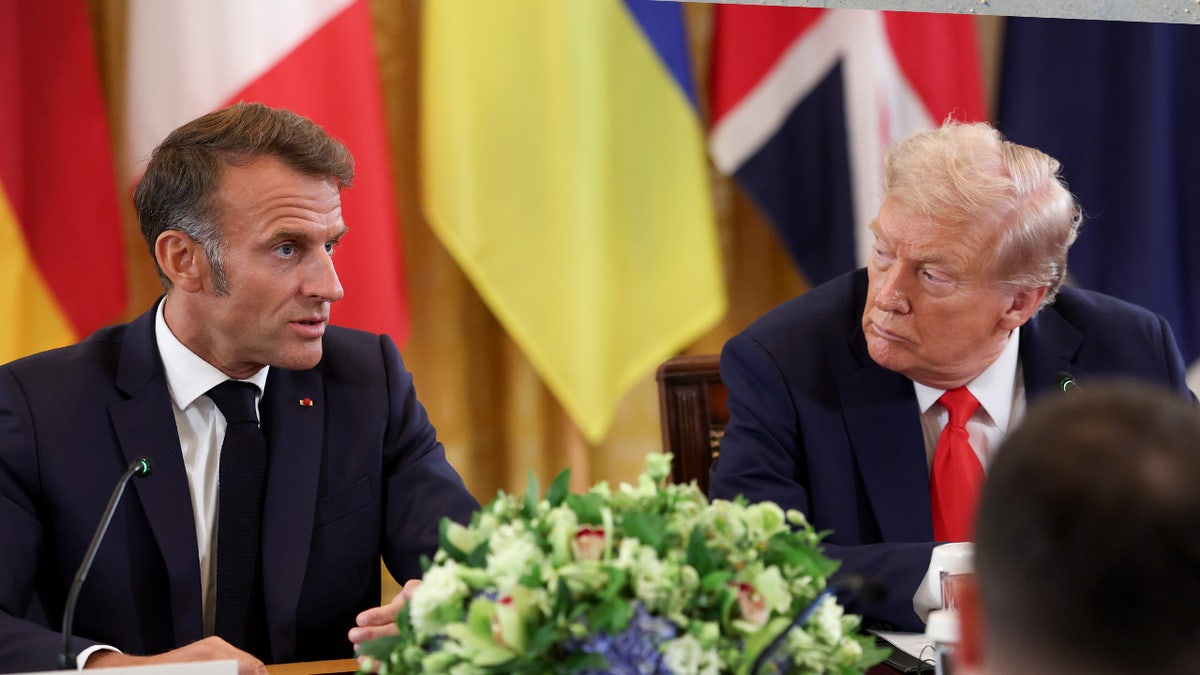
French President Emmanuel Macron on Thursday called for an immediate de-escalation in the Middle East and urged a halt to US-Israeli attacks on critical infrastructure as fighting intensifies across the region.
“France calls for the immediate implementation of a moratorium on attacks targeting civilian infrastructure, whether related to water or energy,” Macron wrote on X, reinforcing France’s push for diplomacy even as the United States and Israel emphasize military pressure on Iran and its allies. “The freedom and safety of navigation must be restored.”
President Donald Trump recently struck a mixed tone on France’s role, saying he had spoken to Macron and was cautiously optimistic that Paris would ultimately help secure the Strait of Hormuz, a crucial global shipping lane for oil and energy supplies.
SEVERAL ALLIES ARE CALLING ON US FOR STRAIT OF HORMUZ SUPPORT AGAINST RISING TENSIONS IN THE MIDDLE EAST
President Donald Trump struck a mixed tone on Monday about France’s role. (Win McNamee/Getty Images)
On “a scale of 0 to 10,” Trump said Macron had been “an eight.”
“Not perfect, but it’s France,” he said at a press conference at the White House on Monday.
Trump went on to say he believes Macron is “going to help” secure the Strait of Hormuz, but added: “I’m not bothering with it because my attitude is that we don’t need anyone. We are the strongest nation in the world.”
“I’m almost doing it… because I want to know how they react,” Trump said, suggesting the US is also testing its allies.
In a future crisis, he warned, “I’ve been saying for years that if we ever need them, they won’t be there. Not all of them, but they won’t be there.’
The divide reflects a broader question shaping the conflict: whether diplomacy can contain Iran’s regional network, or whether force will be needed to dismantle it.
WORLD LEADERS DIFFER ON MILITARY ACTION AS US-ISRAEL ATTACK IRAN IN COORDINATED OPERATION
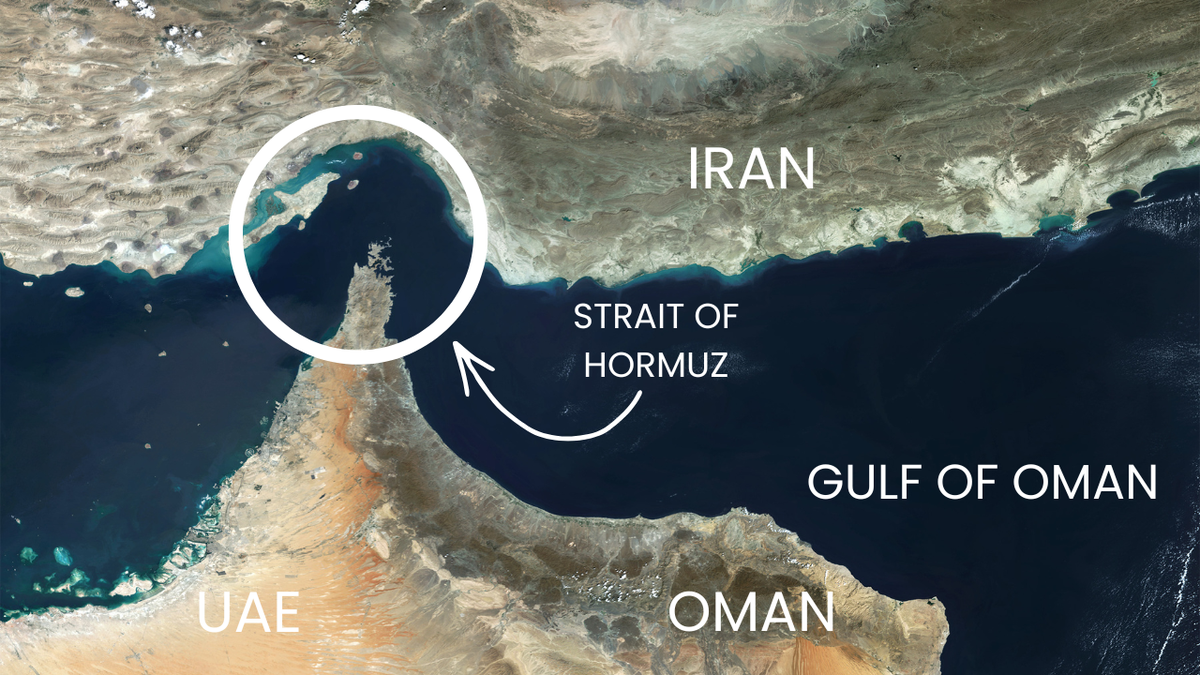
That tension is most evident over the Strait of Hormuz, a narrow waterway between Iran and Oman that serves as one of the world’s most critical energy chokepoints, through which about a fifth of global oil supplies pass every day.
In recent weeks, Iran has disrupted traffic through the strait with drone, missile and naval threats, raising fears of a broader economic shock as commercial shipping slows and global energy markets face growing uncertainty.
Macron said France “will never participate in operations to open or liberate the crucial waterway in the current context,” stressing that France “is not a party to the conflict.”
Paris has instead proposed escorting commercial ships only after hostilities subside, in coordination with regional actors.
At the same time, European allies – including France – signaled that they are not completely backing away from efforts to secure the strategic waterway.
Leaders of Britain, France, Germany, Italy, the Netherlands and Japan expressed in a joint statement released Thursday their “readiness to contribute to appropriate efforts” to ensure safe passage through the Strait of Hormuz, while calling on Iran to “immediately cease its threats” against commercial shipping.
NATO HEAVYWEIGHTS BACK AT HORMUZ MISSION AS TRUMP WARNS ALLIANCE AT RISK
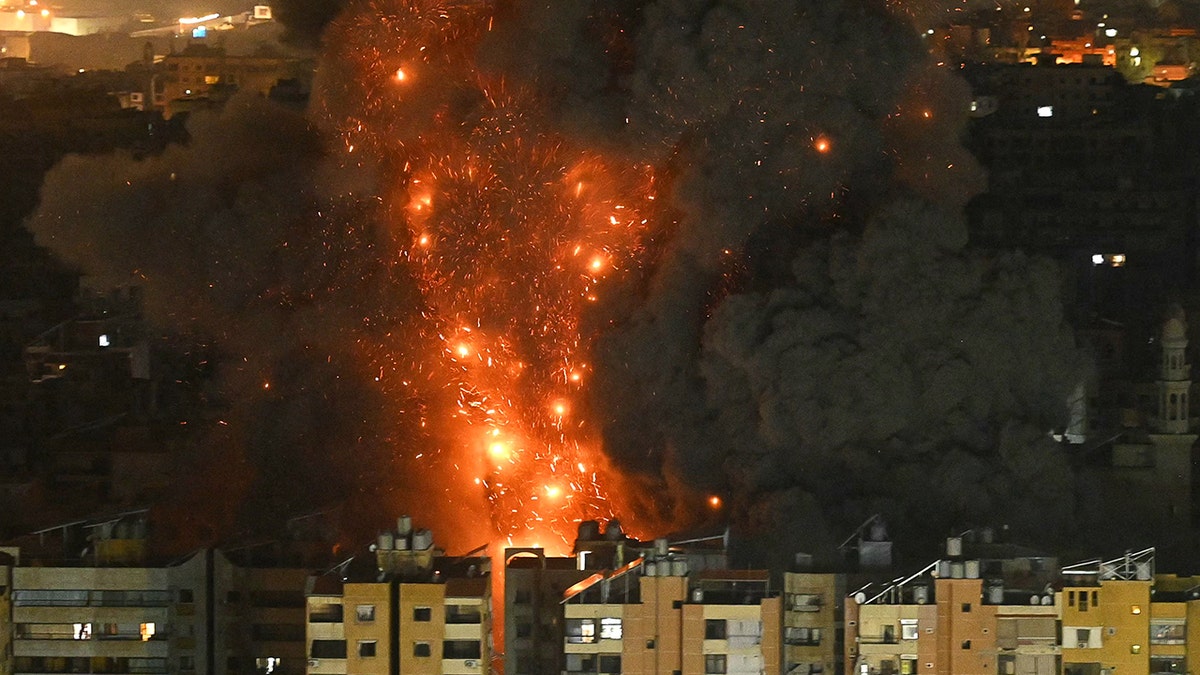
A fireball rises from the scene of an Israeli airstrike that targeted an area in Beirut’s southern suburbs on the night of March 10 to 11, 2026. (Fadel itani/AFP via Getty Images)
However, European officials remain divided on the timing, amid concerns that launching such an effort during active hostilities could introduce new high-value targets into the conflict, the diplomat said.
France is encouraging diplomacy on Iran-linked fronts
Lebanon has emerged as a second front in the war after Hezbollah, the Iran-backed militant group, began attacking Israel following US and Israeli strikes on Iran in late February.
The group launched missiles and drones from southern Lebanon, prompting Israeli retaliatory strikes and escalating the conflict into a broader regional confrontation directly linked to Tehran, Iran and its proxy network.
As France moves away from direct military involvement, it is stepping up its diplomatic pressure in Lebanon and pushing for direct negotiations between Israel and Beirut, following signals from Lebanese President Joseph Aoun that he is open to talks.
French officials see this as an “opportunity” to stabilize the border and prevent further escalation, arguing that both sides have an interest in preventing Lebanon from becoming a springboard for attacks on Israel.
But Israeli officials have sharply pushed back, arguing that diplomacy cannot succeed as long as Hezbollah remains armed and active.
The Israeli military said Thursday that since Hezbollah joined the fighting following attacks on the Iranian regime, the group has launched hundreds of missiles, rockets and drones at Israel.
Israeli Foreign Minister Gideon Sa’ar said Israel has been under constant attack from Lebanese territory in recent weeks.
“Since March 2, Israel has been attacked more than 2,000 times from Lebanese territory with missiles and drones,” he wrote. on X Tuesday.
Sa’ar warned that the crisis extends beyond the region, calling disruptions to maritime routes “naval terrorism that damages the global economy.”
While expressing openness to normalization with Lebanon, Sa’ar made clear: “The obstacle to this is Hezbollah,” adding that Beirut must take “meaningful action” against the group’s weapons, financing and leadership.
Analysts say the gap – between France’s diplomatic pressure and Israel’s security demands – reflects a deeper structural problem that has persisted for years.
He argued that Paris has failed to use its power to put pressure on Hezbollah or its supporters.
While Schenker said direct negotiations between the Lebanese government and Israel could be helpful, he questioned whether they would change the reality on the ground.
“I don’t see how a ceasefire in itself changes the status quo,” he said.
TRUMP PRESSES NATO PARTNERS FOR SUPPORT, WHILE HEGSETH RECALLS HESITATION
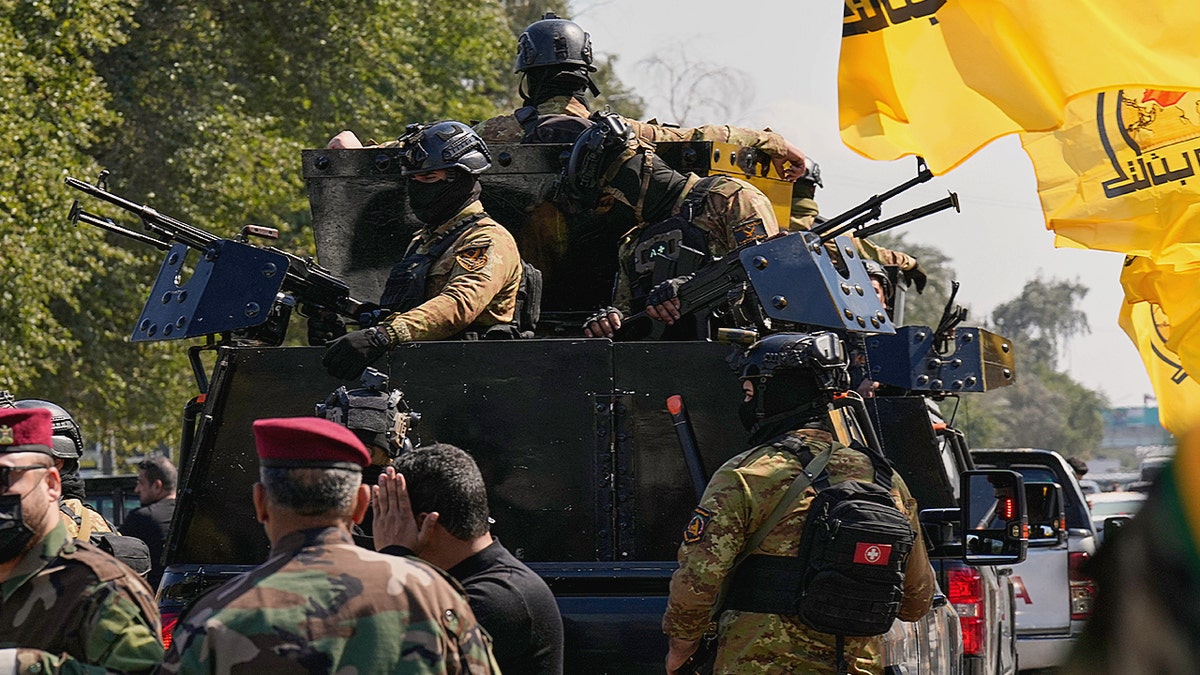
Hezbollah launches long-range missiles from Lebanon into northern Israel within 48 hours of attacking Iran, escalating the spreading conflict during Operation Epic Fury. (Hadi Mizban/AP)
Lebanese leaders have repeatedly promised to maintain a state monopoly on weapons, but “they haven’t really done much,” Schenker said, adding that there is “zero confidence” that they would make progress given Hezbollah’s opposition.
Even the Lebanese army has declared its borders and prioritized “national unity and the security of the army over disarmament,” he said.
The situation on the ground continues to deteriorate rapidly.
Violence in Lebanon has increased dramatically since the start of the war in Iran.
“There has been a 400% increase in violent events in Lebanon,” said Bassel Doueik, a researcher at the Armed Conflict Location & Event Data (ACLED), adding that Israeli attacks and Hezbollah clashes have displaced at least 1 million people.
Doueik said Israel appears to be trying to create a buffer zone south of Lebanon’s Litani River. warned that the escalation could lead to “a new occupation of southern Lebanon, similar to 1982.”
At the same time, Hezbollah – long backed by Iran – continues to operate as a powerful force in Lebanon, complicating efforts to reach a lasting political settlement.
France has played a leading diplomatic role in Lebanon for years, including by supporting the United Nations Interim Force in Lebanon (UNIFIL). But the mission is facing mounting challenges, including restrictions on movement and attacks on its personnel, raising criticism of its effectiveness.
Critics claim that repeated diplomatic initiatives have failed to curb Hezbollah’s military buildup, leaving Israel increasingly skeptical of new proposals.
CLICK HERE TO DOWNLOAD THE FOX NEWS APP
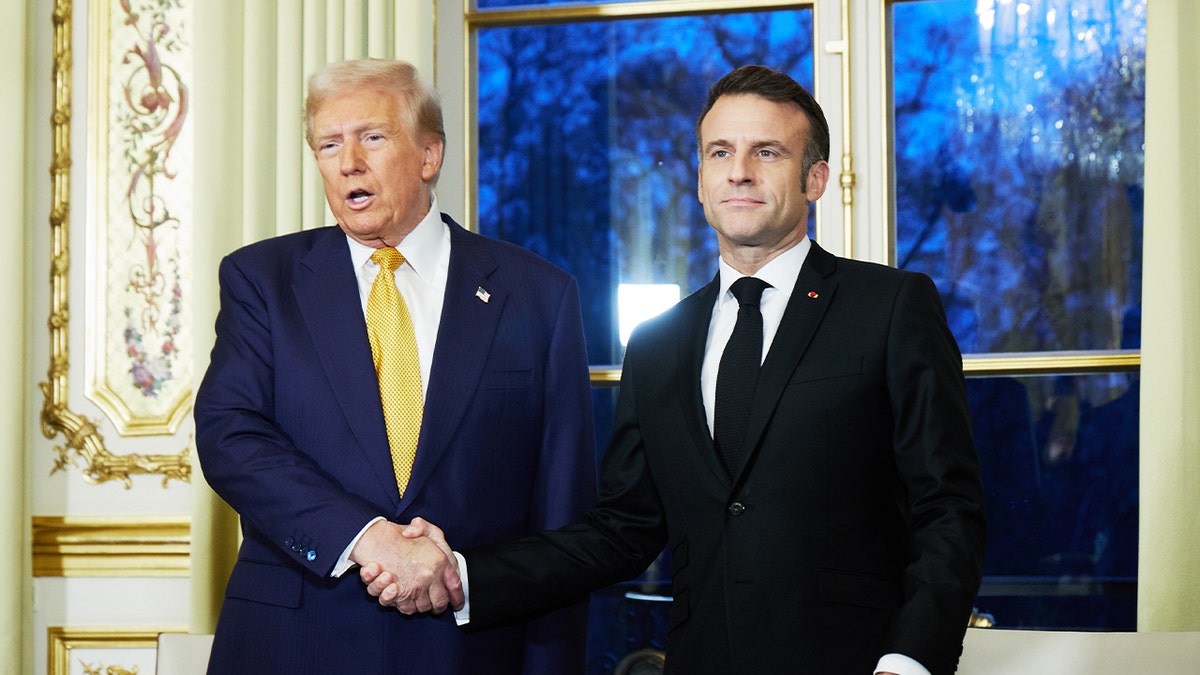
French President Emmanuel Macron called for an immediate de-escalation in the Middle East and urged a halt to US-Israeli attacks on critical infrastructure as fighting intensifies across the region. (Oleg Nikishin/Getty Images)
“The French specialize in carrots,” Schenker said, arguing that Paris has been reluctant to apply pressure despite its influence in Lebanon.
But he added that the transatlantic divide is not entirely one-sided.
“This is a war launched by Israel and the United States, and they did not agree,” he said, noting that protecting global energy flows through the Strait of Hormuz should be “an international responsibility.”
