



The recent outages and shortages are linked to Cuba’s worsening energy and economic crisis.
A recent nationwide blackout was caused by a fault at the Antonio Guiteras thermoelectric plant, the island’s largest power station, which cut electricity to much of the country, according to Reuters. The crisis has been exacerbated by fuel shortages after the Trump administration curtailed oil shipments to the island, particularly from Venezuela, one of Cuba’s main suppliers.
Cuban officials say U.S. sanctions have worsened the country’s economic problems, while repeated failures at power plants and an aging electricity grid have left millions of people facing extended power outages, fueling growing public frustration and protests.
RUSSIA WARNS OF ‘PROVOCATIVE ACTIONS’ AROUND CUBA AFTER 4 DEATHS ON BOARD US-REGISTERED SPEED BOAT
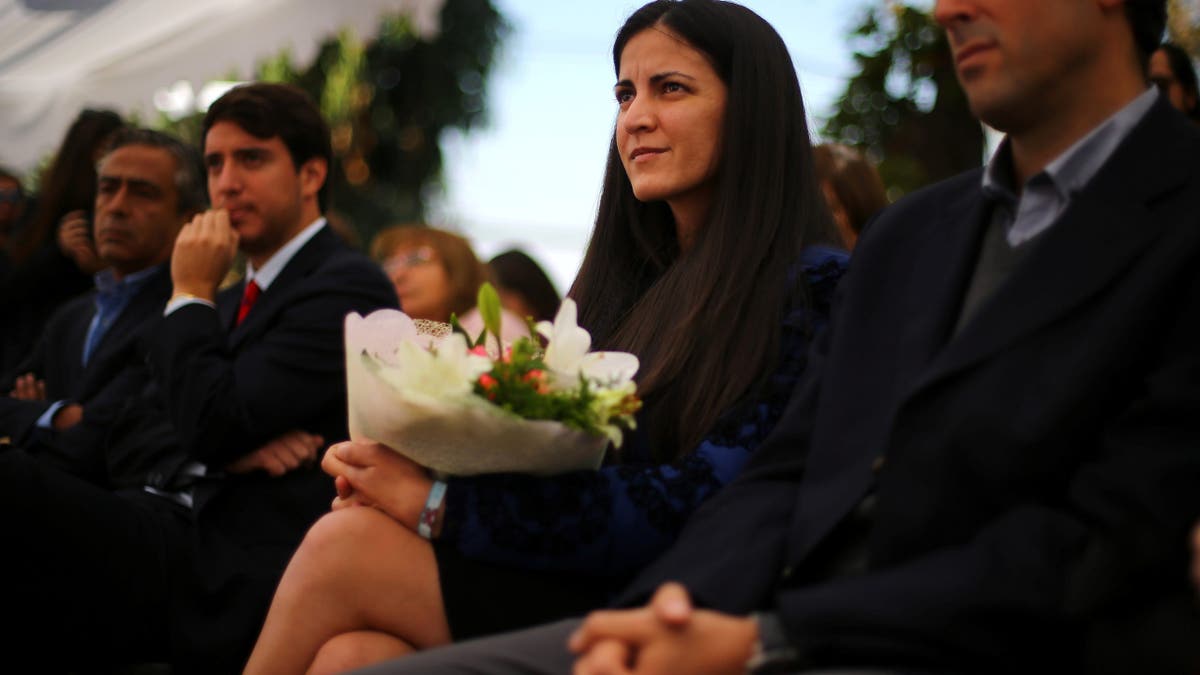
Rosa Maria Paya, daughter of late Cuban dissident Oswaldo Paya, is seen during a tribute in memory of her father in Santiago, Chile, April 17, 2017. (Ivan Alvarado/Reuters)
The state-owned company blamed US sanctions in an official statement, saying: “Without ending the financial blockade, there can be no permanent energy stability.” Cubaheads.
The Trump administration has increased pressure on Cuba in recent months, tightening sanctions and targeting oil shipments that power the island’s energy system. The measures are part of a broader effort to weaken the Cuban government and support democratic change on the island.
“For President Trump, it is important that you know that the Cuban people are grateful for what this government is doing and that we are ready for it, and that we want to make Cuba great again,” Payá said, addressing him directly. “And that means an end to the communist dictatorship, not just a new economy, but a new republic.”
Her appeal comes as Cuba reemerges in Washington’s foreign policy discussions. Secretary of State Marco Rubio, the son of Cuban immigrants and one of the most prominent Cuban-American voices in American politics, has long advocated a tougher stance on Havana and stronger support for pro-democracy movements on the island.
The Trump administration has recently increased pressure on the Cuban government, including by taking measures targeting oil shipments that help support the island’s struggling energy sector.
Trump praised Rubio during a news conference on Tuesday and suggested he could play a central role in any negotiations with Havana.
“Marco Rubio is doing a great job,” Trump said. “I think he will go down in history as the greatest secretary of state in history. They trust Marco.’
“We want to work with President Trump and with Secretary Rubio, the opposition is united,” Payá said. “We have a plan. It’s called the Freedom Agreement,” she added, referring to a plan democratic transition framework promoted by opposition groups in Cuba. “We are ready to lead this process. The time is now, Mr. President.”
Opposition groups have developed the Freedom Accord, a political roadmap for democratic change, which they say would guide a transition away from Cuba’s current system.
Payá, 37, who fled the country 13 years ago, has spent the past decade advocating internationally for democratic change in Cuba.
She is the daughter of prominent dissident Oswaldo Payá, founder of the Christian Liberation Movement and architect of the Varela Project, a petition campaign in the early 2000s that collected more than 25,000 signatures demanding free elections and civil liberties in Cuba.
Her father died in 2012 along with fellow activist Harold Cepero in what Payá describes as an assassination attempt by the Cuban regime. Cuban authorities said the men died in a car crash in eastern Cuba, but the Inter-American Commission on Human Rights later concluded there were “serious indications” that Cuban state agents were involved in the deaths.
“After the Cuban regime killed my father… I tried to follow his legacy, along with many, many other Cubans on the island and in exile, who today believe that we have a real opportunity and freedom,” she said, describing a movement that today includes activists both on the island and in exile.
FLORIDA LAUNCHES PROBE AFTER CUBA KILLS 4 ABOARD US-FLAG SPEEDBOAT NEAR KEYS

Members of the opposition group ‘Ladies in White’ march alongside the funeral procession of Oswaldo Paya, one of Cuba’s best-known dissidents, in Havana, July 24, 2012. (Reuters)
According to Payá, the crisis in Cuba has reached a level where survival has become a daily struggle for many families.
“The situation today is that mothers don’t know if they can feed their child tonight,” she said. “Most of the island has experienced frequent power outages lasting for days.” The island has seen waves of unrest in recent years, driven by economic collapse and political repression.
The largest anti-regime demonstrations erupted on July 11, 2021, when thousands of Cubans took to the streets across the island chanting “freedom” in the largest protests since the 1959 revolution.
Authorities responded with mass arrests and prison sentences for many demonstrators.
For Payá, these protests reflected something deeper than economic frustration.
“The Cuban people have been fighting for freedom for the past 67 years,” she said. “We demand political freedom, not just a new economy.”
Despite comparisons between the Cuban Missile Crisis and the political unrest in Venezuela, Payá argues that the situation in Cuba is fundamentally different.
“The situation in Cuba is very different,” she said. “This is the longest-running communist dictatorship in the Western Hemisphere.”
MARCO RUBIO EMERGES AS KEY TRUMP POWER PLAYER AFTER OPERATION IN VENEZUELA
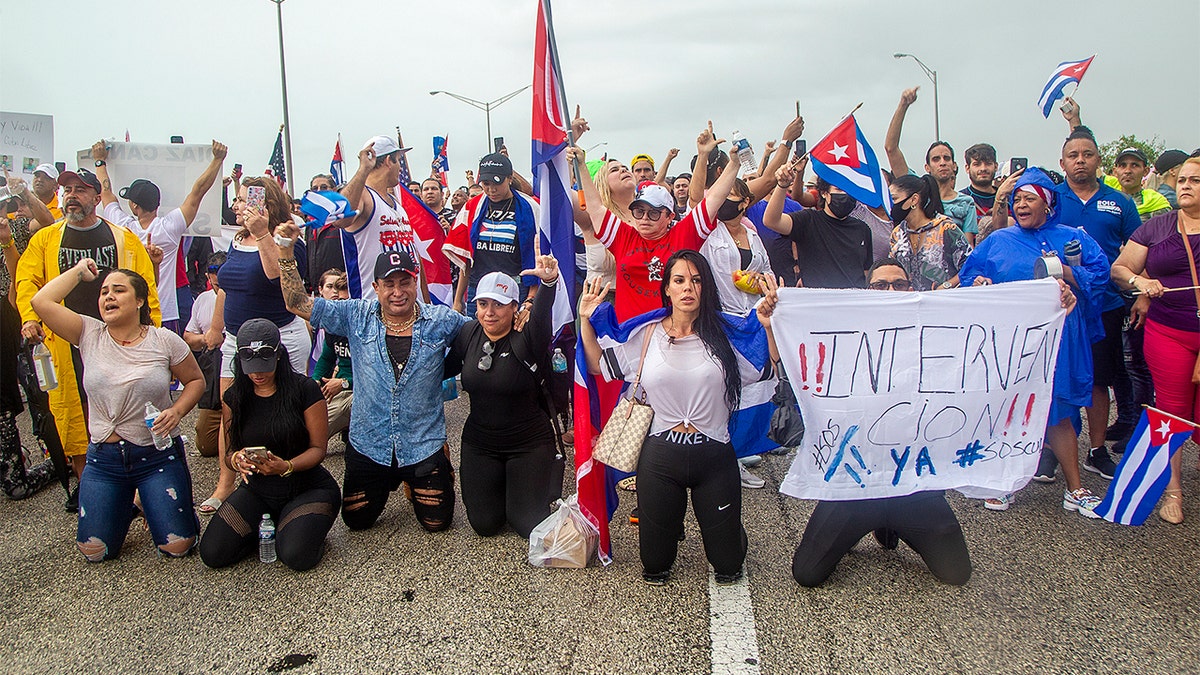
Cuban exiles block the Palmetto Expressway at Coral Way in support of protesters in Cuba in 2021 in Miami. (Pedro Portal/Miami Herald via AP)
While she emphasized that Cubans must ultimately drive political change themselves, Payá said international pressure remains essential because of the regime’s ability to suppress dissent.
Her appeal comes as Cuba reemerges in Washington’s foreign policy discussions.
Payá said the Cuban opposition hopes the United States will continue to support democratic changes on the island.
CLICK HERE TO DOWNLOAD THE FOX NEWS APP
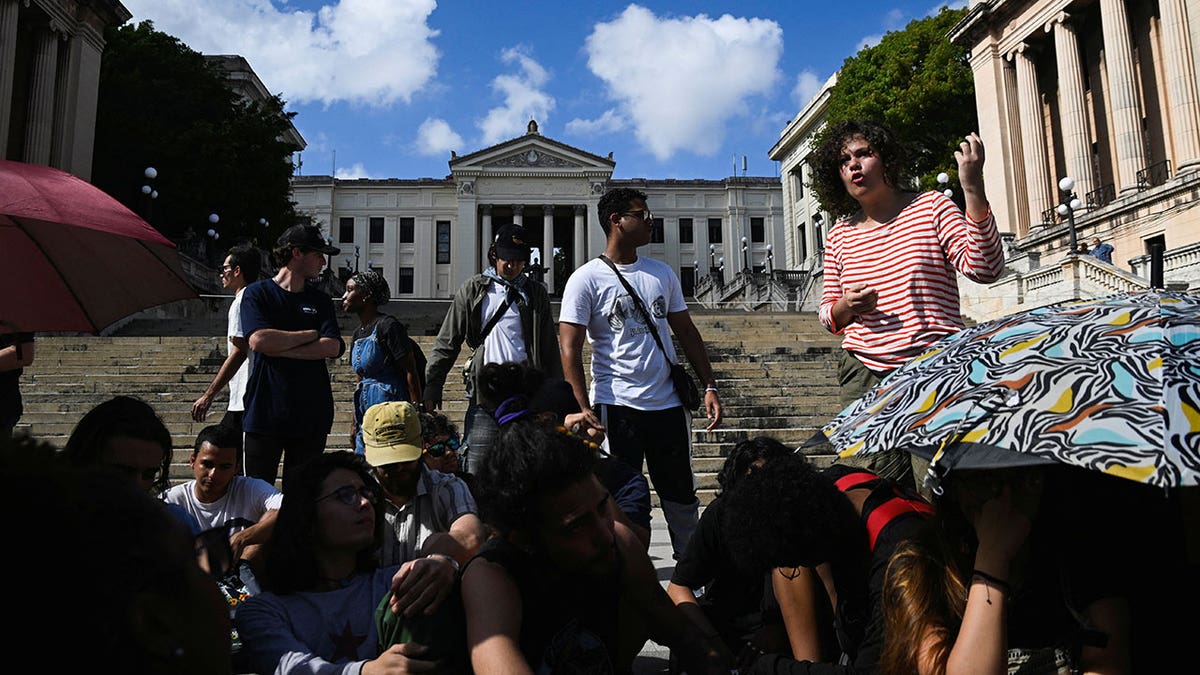
Anabel Oliva, 20, speaks outside the University of Havana during a protest against disruptions to classes due to energy and internet shortages, amid US sanctions and an oil blockade that have deepened the country’s crisis, in Havana, Cuba, March 9, 2026. (Norlys Pérez/Reuters)
“I believe President Trump knows very well, better than anyone, the difference between a real deal and a better deal,” she said. “He understands that this dictatorship must end.”
“To end the crisis,” she added, “we must end the regime.”
