



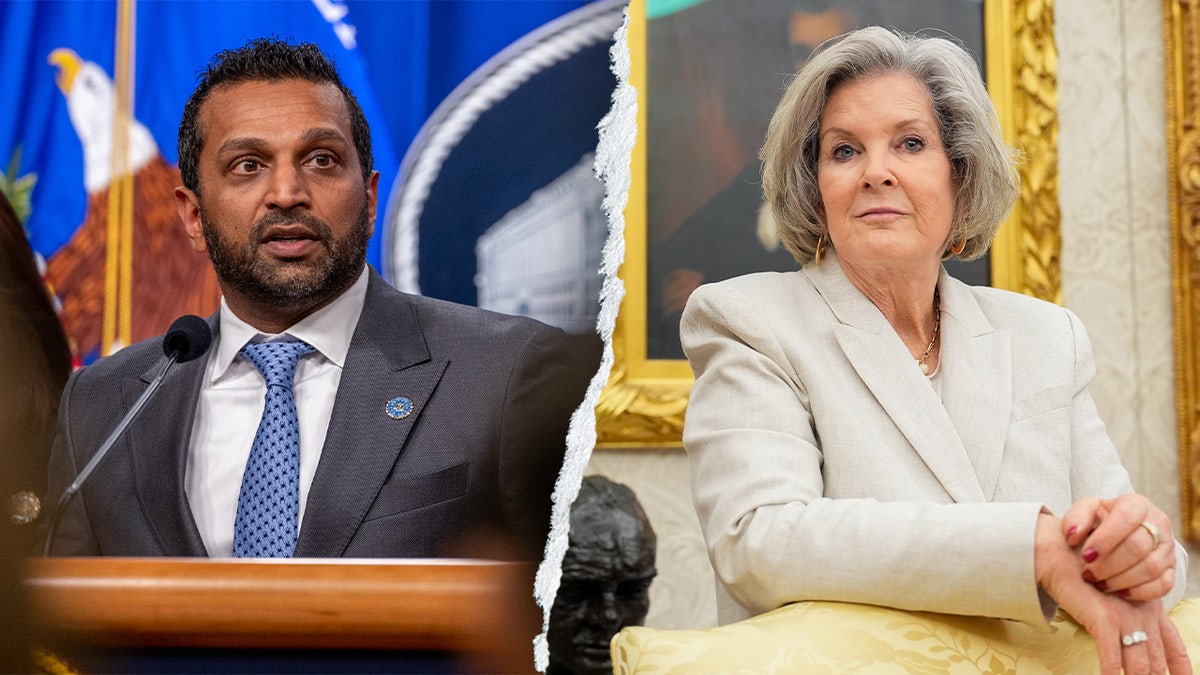
FBI Director Kash Patel just dropped a bombshell that should scare Americans of all political stripes. In 2022 and 2023, Jack Smith, the illegally appointed “special counsel,” and Biden’s Justice Department subpoenaed phone toll records from Patel and current White House Chief of Staff Susie Wiles. Both were private citizens, and this surveillance continued while Wiles was co-managing President Trump’s election campaign. The FBI even wiretapped a telephone conversation between Wiles and her lawyer, during which the lawyer, who was aware of the wiretap, did not inform Wiles. This behavior is appalling and there should be serious legal consequences.
The attorney-client privilege is one of the most sacred principles of law in the Republic. To effectively represent their clients, attorneys must be able to have candid discussions. Clients should feel safe knowing that what they say cannot be used against them. This privilege is so sacred that the Supreme Court ruled in Swidler & Berlin v. United States (1998) that it survives the death of a client under the Federal Rules of Evidence.
FBI Director Kash Patel speaks during a press conference at the Justice Department. Susie Wiles, White House Chief of Staff, in the Oval Office of the White House in Washington, DC, on Friday, June 27, 2025. (Yuri Gripas/Abaca/Bloomberg via Getty Images | DANIEL HEUER / AFP via Getty Images)
The lawyer who conspired with the FBI to capture his client should be disbarred. Rule 1.6 of the Rules of Professional Conduct places strict limits on the disclosure of confidential information by lawyers in each jurisdiction, such as where a client is at risk of committing a serious crime. That obviously wouldn’t apply here. Furthermore, Rule 1.7 outlines strict guardrails to protect clients from conflicted attorneys. A lawyer cannot represent both parties. That would violate the adversarial process.
For some reason, Wiles’ attorney agreed to let the FBI listen in on the conversation. A lawyer cooperating with the FBI against his client’s best interests would be a clear violation of this rule. And that’s not the end of potential ethical violations: Rule 1.4 requires lawyers to disclose relevant information to their clients (which clearly didn’t happen here), and Rule 8.4(c) prohibits conduct involving dishonesty and misrepresentation by omission. It’s hard to think of a more glaring omission than not telling your client that the FBI is listening to what you believe is a privileged conversation.
Wiles could also sue the attorney for malpractice, as well as the attorney and the FBI agent(s) under the Wiretap Act. This lawsuit would be appropriate if the FBI failed to minimize the interception of privileged communications. Title III wiretaps, so named because of the 1968 law that allows them, are subject to approval by the Justice Department and a federal judge. 18 USC § 2518(5) requires minimization procedures for privileged communications, and appellate courts have generally interpreted this provision narrowly. Minimization is crucial in many contexts; For example, government prosecutors use so-called taint teams of attorneys not involved in the case to screen for privileged information to prevent it from falling into the hands of the prosecutor.
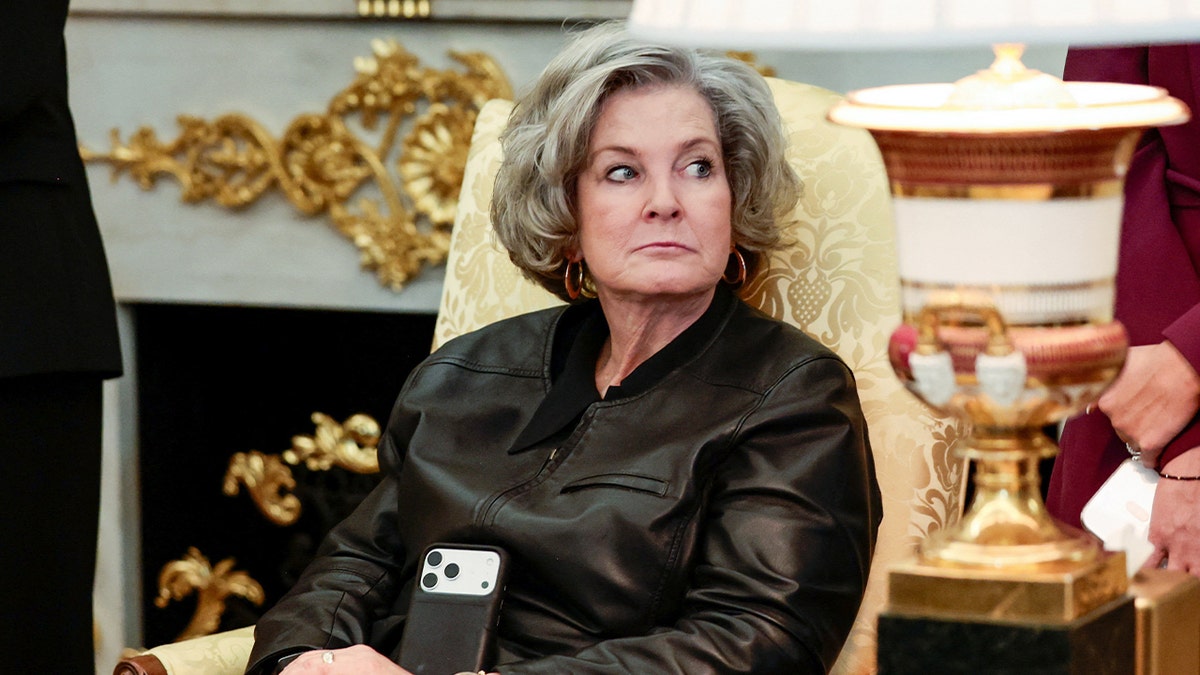
White House Chief of Staff Susie Wiles sits in the Oval Office as US President Donald Trump signs an executive order on December 18, 2025 recommending relaxing federal regulations on marijuana. (Evelyn Hockstein/Reuters)
In addition to civil liability, those involved may face criminal consequences. The FBI agents involved could be charged under 18 USC § 2511, which prohibits the unauthorized interception and disclosure of communications in interstate commerce. The attorney could be charged as a co-conspirator under 18 USC § 371 for participating in the wiretapping statute violation. Even if they had a warrant to monitor Patel and Wiles, that would in no way justify the deliberate recording of so-called privileged conversations between a lawyer and their client.
CLICK HERE TO DOWNLOAD THE FOX NEWS APP
Take a moment to process the gravity of what happened. Biden’s Justice Department has subpoenaed documents from allies of President Trump, Biden’s main political opponent, against whom there was no evidence of wrongdoing. Smith has also subpoenaed the records of nearly a dozen members of Congress. The government then tapped a telephone conversation between a private individual and her lawyer. J. Edgar Hoover, the infamous former FBI director who served for nearly half a century, regularly wiretapped political opponents. Under the Biden administration, the FBI descended into the abyss of the Hoover era. We must determine who else was the subject of these scandalous investigations, especially if other violations of attorney-client privilege occurred.
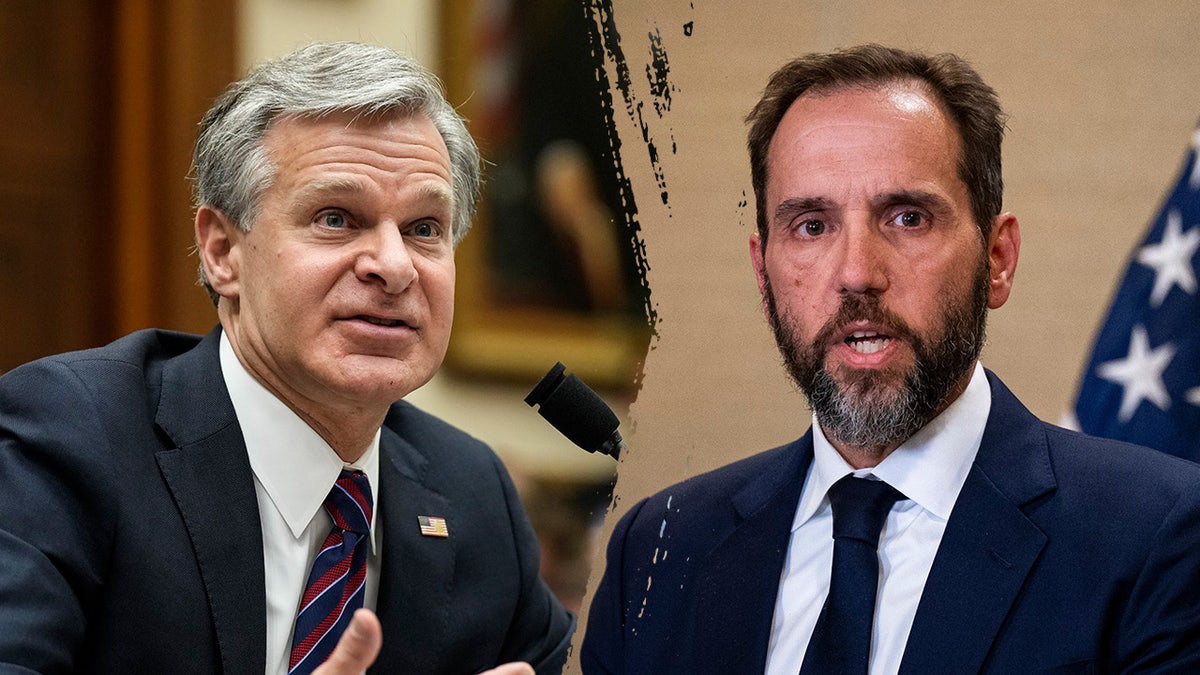
Former special counsel Jack Smith met with then-FBI Director Christopher Wray months after he began investigating the January 6, 2021 Capitol riots. (Drew Angerer/Getty Images; Al Drago/Bloomberg via Getty Images)
Patel deserves a lot of credit for exposing this unconscionable behavior. The FBI worked hard to cover this up and label the files as ‘forbidden’. This means that the files were not easily accessible even to the new FBI leadership. Patel has stopped the ‘forbidden’ subterfuge to prevent future abuse, and ten FBI agents are out of a job because of their involvement. That’s a good start, but those involved in this monstrosity must face serious legal, political and financial consequences. The anti-Trump legislation nearly destroyed the Republic, and this should never happen again.
CLICK HERE FOR MORE FROM WILL CHAMBERLAIN
Related article

