




Whether it’s current national or international events, work-related stress, family concerns, chronic health issues, personal relationships, or a financial crisis, we don’t have to look far to find the source of anxious, spinning thoughts.
Can I survive this season? What if…? Who can I really count on?
My own version usually involves a 3 a.m. wake-up call accompanied by a flurry of mental gymnastics as I think about every task that needs to be done, rehearse conversations from the past few days, and try to find the right answer to a myriad of challenges facing my family, career, or business.
Tell me I’m not the only one fighting for peace and quiet.
NEGATIVE THOUGHTS CAN CHANGE YOUR BRAIN IN SURPRISING WAYS, RESEARCH SUGGESTS
To some extent, the battle against anxious thoughts is one we will always struggle with. But as someone who follows Jesus, I believe there is a way of life that helps us release the burden of fear.
In Luke 12:25-27 Jesus says:
“Which of you by worrying can add one hour to his life? Since you cannot do this very small thing, why worry about the rest? Consider how the wildflowers grow. They neither work nor spin. Yet I tell you that even Solomon in all his splendor was not dressed like one of these.”
The invitation to “think about the wildflowers” stops me. Maybe it’s because where I live – in southwestern Colorado – there’s a pretty spectacular display of wildflowers every summer.
The invitation to “think about the wildflowers” stops me. Maybe it’s because where I live – in southwestern Colorado – there’s a pretty spectacular display of wildflowers every summer. (iStock)
I have spent a significant amount of time walking through fields of flowers, talking to the Lord, and sitting with this invitation. I was inspired to write my new devotional, “The Way of the Wildflower,” as I am in God’s creation and realize that if God takes care of the wildflowers, how much more will He take care of me?
ONE TOXIC BEHAVIOR KILLS RELATIONSHIPS, LEADING HAPPINESS EXPERT WARNES
Here are five specific “Ways of the Wildflowers” that I believe, if embraced, will help us live without worry, even in the midst of circumstances that tempt us to toil and spin.
1. Wildflowers are dependent. They depend on God’s timing, the rainfall He allows, the seasons He has established, and the ecosystem in which He has placed them. They don’t need landscapers, fertilizer, or a daily watering schedule, and yet they thrive. When we embrace this wildflower way—without demanding a specific storyline, season, or more ideal conditions—we let go of the busyness and become completely dependent on the God who created us.
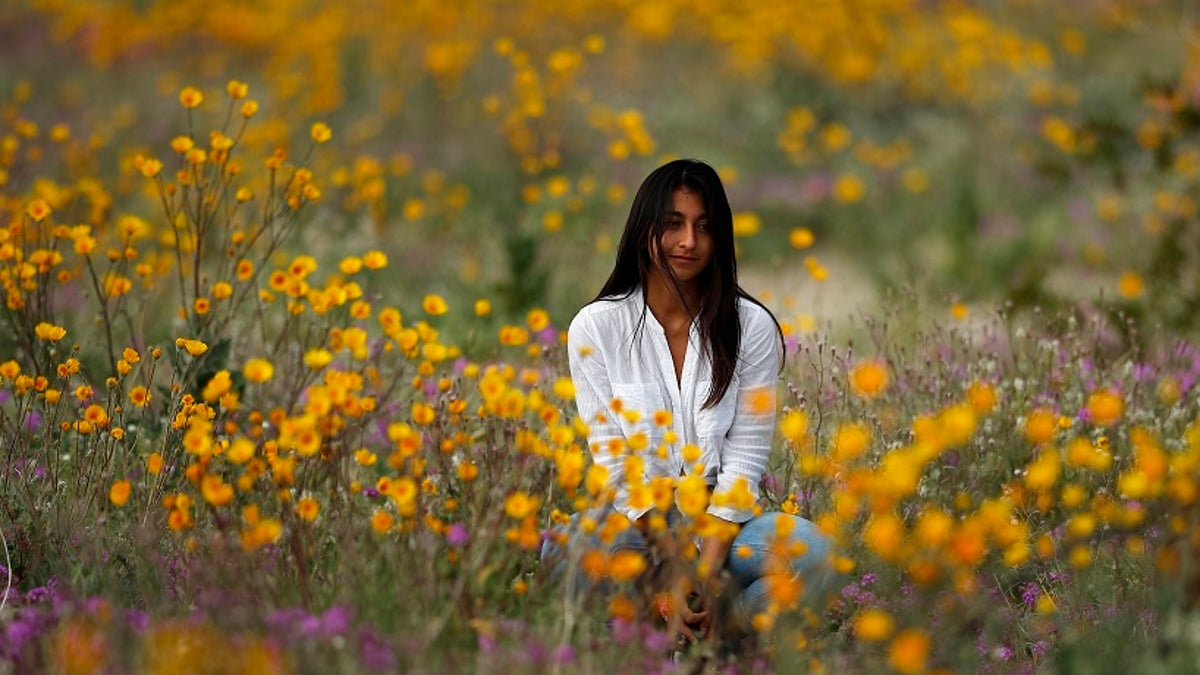
When we embrace this wildflower way—without demanding a specific storyline, season, or more ideal conditions—we let go of the busyness and become completely dependent on the God who created us. (AP Photo/Gregory Bull)
2. Wildflowers are free. Free from worry, anxiety, worry and worry about oneself. They don’t worry about storms on the horizon, dragging yesterday’s baggage, or anxiously going about their days. They exist in the place where God put them, crowned with the glory he gave them. When we embrace this way of the wildflower, we can know what it means to not be burdened by what is not ours to worry about or carry.
PORTUGAL’S NATIONAL BLACKOUT TEACHED ME ABOUT A POWER SOURCE THAT NEVER FAILS
3. Wildflowers are resilient. They are found in all kinds of unlikely places, from barren fields to dusty highways and rocky outcroppings on mountain peaks where no soil to speak of even exists. In fact, they seem to have a knack for springing up in conditions that we consider unfavorable for growth.
When we who are in Christ embrace this way of the wildflower, we are not dependent on our own strength or tenacity. Our resilience is a gift from the God who sustains us, enables us and provides us with what we need to endure.
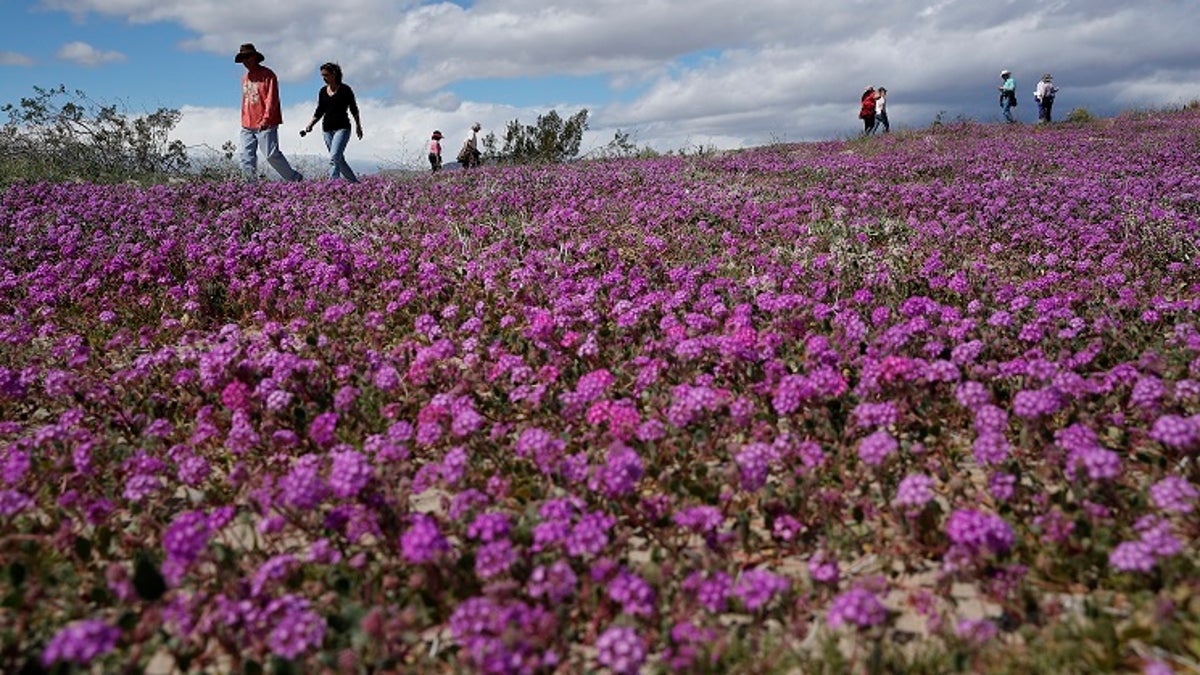
Wildflowers are never in a hurry to move on to the next season or move on to their best bloom. When we embrace this path of the wildflowers, we slow down, refuse to rush the process or resent the slow, quiet, or seemingly unproductive seasons of our lives, and instead rest in God’s perfect timing. (AP Photo/Gregory Bull)
4. Wildflowers are in no hurry. When wildflowers are not actively growing, they are dormant, meaning there may be no visible growth – but dormancy does not mean death; it is rest. And it reminds us that wildflowers are never in a hurry to move on to the next season or move on to their best bloom.
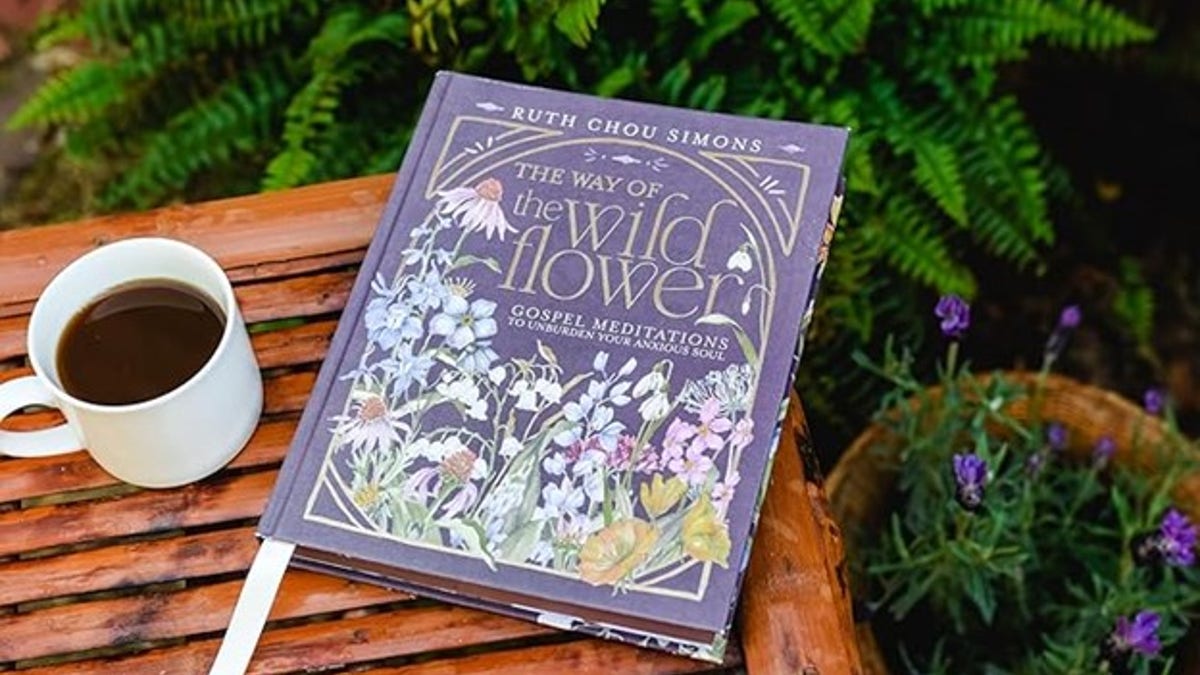
Ruth Chou Simons’ book “The Way of the Wildflower” was published by Thomas Nelson in October 2025.
When we embrace this path of the wildflowers, we slow down, refuse to rush the process or resent the slow, quiet, or seemingly unproductive seasons of our lives, and instead rest in God’s perfect timing.
CLICK HERE FOR MORE FOX NEWS ADVICE
5. Wildflowers are loved. I cannot help but be amazed that God creates, designs and assigns extraordinary detail and beauty to individual wildflowers for His pleasure, whether or not they are discovered, identified or named.
No two wildflowers are the same; each has its own complexity, details and specific properties. When we see the care with which God created wildflowers, we can’t help but think how beloved they truly are.
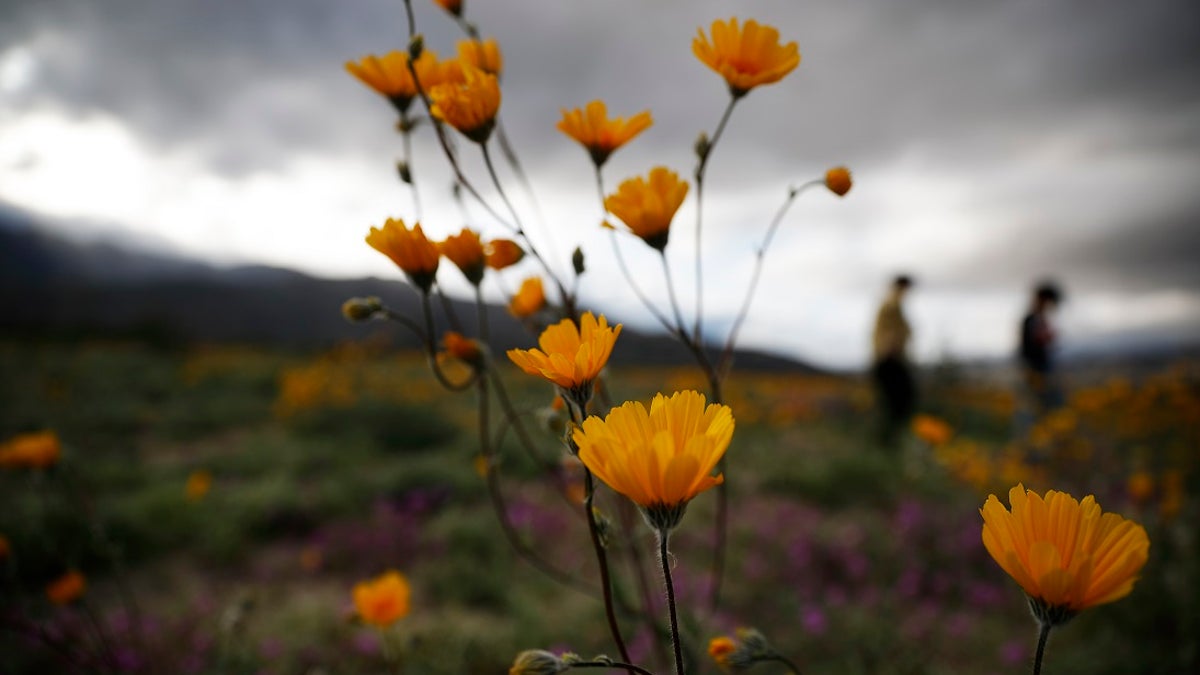
No two wildflowers are the same. Each individual flower has its own intricacies, details and specific properties. (AP Photo/Gregory Bull)
As we embrace this way of the wildflower, we remember that we are uniquely known and cared for by God – precious and valued, even when we feel small or hidden.
CLICK HERE TO DOWNLOAD THE FOX NEWS APP
In a world that encourages us to be independent, to live within “acceptable” parameters, to move on to the next thing when we encounter resistance, to get to the good part, and to question our worth, living the way of the wildflower is certainly countercultural – but not impossible.
The next time you wake up at 3 a.m., try thinking about the wildflowers and turning your worries over to the God who created you and promises to care for you.
CLICK HERE FROM RUTH CHOU SIMMONS
