



There is a silent crisis at America’s dinner tables. Where children once grew up on home-cooked meals made from real ingredients, today more than 60% of children’s calories come from ultra-processed foods. Instead of nutrient-rich dinners with parents and siblings, many kids are grazing on chips, sodas and boxed meals that they eat alone in front of a glowing screen. It’s a major health problem, made worse by our fast-paced, convenience-oriented culture.
Food has been stripped of its meaning. It is not treated like fuel, and certainly not like family. It has become an industrial product: calories on a shelf, far removed from the farms and soil that once rooted us for real food. For generations, the meal has anchored households and communities. It was a time when lessons were passed on, bonds were built, and children learned what it meant to belong. When we outsource food to factories and packaging plants, we’re not just trading nutrients for additives and tradition for convenience. American children are paying the price with their health.
The rise in childhood obesity, diabetes, anxiety and chronic conditions has many causes, but poor nutrition is at the root. The problem isn’t just “too much” food, it’s also the wrong food: brightly colored food dyes linked to hyperactivity, cheap sugars that increase insulin and preservatives that disrupt hormones. Science is catching up to what parents instinctively knew: children thrive on real food. They refuse food-like substances.
FOR THE FIRST TIME, THERE ARE MORE CHILDREN IN THE WORLD WHO ARE OVERWEIGHT THAN UNDERWEIGHT
This isn’t a niche concern for wellness influencers. It’s a matter of pro-family, pro-America. Strong families depend on strong children. Strong children depend on real food. And restoring that cycle will take more than another public health campaign. It requires cultural innovation.
As a chef, I’ve seen processed foods reshape the American palate. Kids come into restaurants and don’t know what a tomato tastes like unless it has ketchup in it. They grew up on hyper-engineered flavors – neon orange powders, corn syrup and cheese powder – that overwhelm the senses and have an addictive synthetic taste. That’s why so many children become withdrawn when they taste real food: it’s not what they’re used to. But when you take it all back – roasting a chicken, grilling a piece of fish, serving fresh vegetables lightly seasoned with real salt – you’ll see a transformation. I’ve seen teenagers who swear they “hate seafood” change their minds with a bite of fresh, wild-caught tuna, including myself! I was a victim of this fake food movement. Food can change lives if we give children the opportunity to experience the real thing.
That means supporting families who want to cook, but feel limited by time and budget. It means giving farmers the freedom to bring fresh produce to schools without bureaucratic barriers. It means telling the truth about what’s in our food supply and closing the loopholes that allow chemical additives to slip through without real oversight. And it means we need to highlight the simple, patriotic truth: Choosing real food isn’t elitism, it’s common sense.
And this is where nature conservation is important. Healthy food starts with healthy soil. Regions that invest in managing their land – rotating crops, protecting pollinators, caring for the soil microbiome – produce food that is more nutrient-dense and sustainable for generations. Supporting local farmers, ranchers and fishermen is good economics AND good health policy. By strengthening regional agricultural and conservation practices, we give families access to food that heals.
CLICK HERE FOR MORE FOX NEWS ADVICE
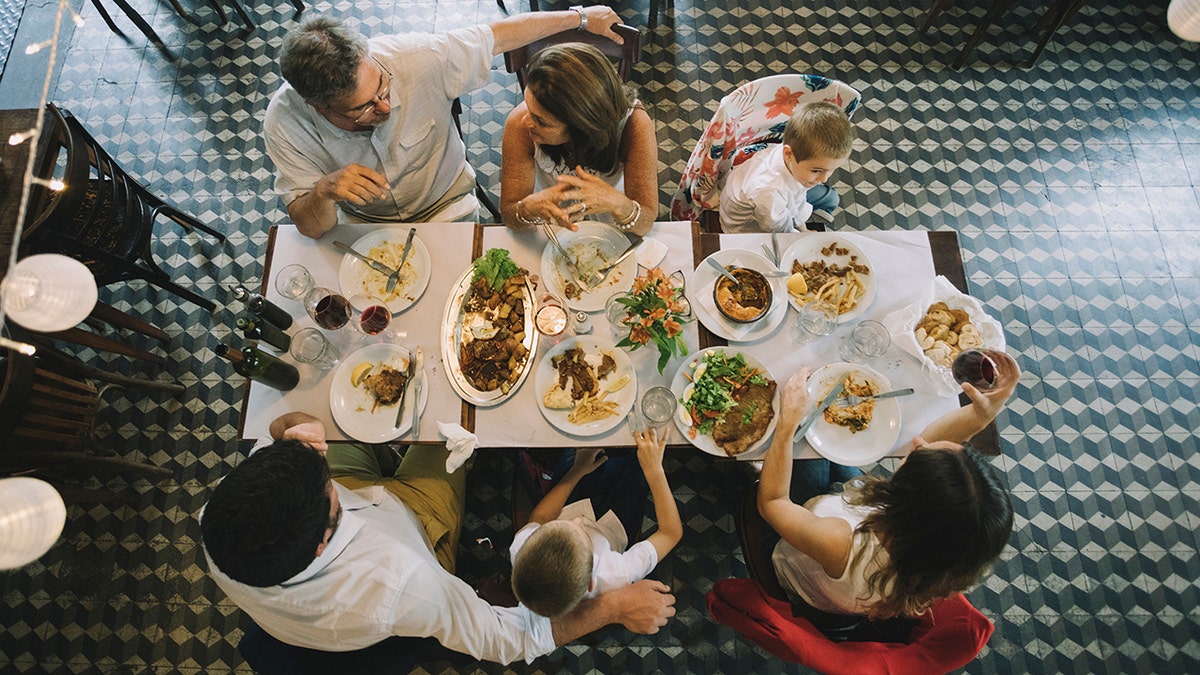
Cooking doesn’t have to be complicated or expensive. In many cases, the underutilized cuts of meat, fish or even vegetables taste better and cost less. Families can work small shifts that add up: swapping soda for sparkling water with fresh citrus and simple syrup, or swapping fast food for a weekly “family taco night,” where kids help chop vegetables and assemble their own plates. Shelf meals, soups and stews made from real ingredients can feed a family faster than a drive-thru line. And there is also a cultural piece; When children watch their parents cook, they learn that food is not just about calories, but about connection. As a father of four, I’ve learned that if my kids cook their own food, they will eat it with pride (even if it isn’t up to my chef’s standards). Even twenty minutes around the table gives children something that processed food never can: belonging.
We cannot regulate or use medicine to get out of this crisis. We need to rebuild healthier habits from the ground up. That starts in the kitchen, and it starts with reconnecting families with the land that feeds them.
CLICK HERE TO DOWNLOAD THE FOX NEWS APP
If conservatives are serious about family values, we should also consider food as a family value. The dining table is more than a place to eat. It is where health, culture and character are formed. Defending it is defending America’s future.
For me, there is pride in sourcing from American farmers, ranchers and fishermen. Every time I place a plate in front of someone made from ingredients grown right here at home, it feels like a vote for our health and our heritage. “Made in America” shouldn’t just apply to cars or steel, but also to what we feed our families. Real food is about more than just health; it is about identity, resilience, tradition and passing something on to the next generation. If we want strong families and a strong nation, we must remember that food is a family value. And the revolution to reclaim it starts where it always has: in the kitchen.
Danielle Franz is the CEO of the American Conservation Coalition (ACC), the nation’s largest conservative environmental organization.
